






More Mental Health Articles
Managing Anxiety: The Role of Metoprolol Dosage
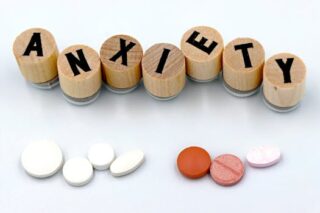
If you’ve been experiencing persistent anxiety and your doctor has mentioned metoprolol as a potential treatment, you’re not alone in seeking information about this medication’s use. Metoprolol is primarily known for managing heart-related conditions, but it is sometimes prescribed off-label to help control symptoms of anxiety, particularly when it involves a physical response such as elevated heart rate. Understanding the appropriate metoprolol dosage for anxiety can be crucial in finding relief while minimizing side effects.
How Metoprolol May Help with Anxiety
Metoprolol is a type of medication called a beta-blocker. It works by blocking the effects of adrenaline, helping to decrease heart rate and blood pressure. For some individuals, these physical symptoms are intertwined with their anxiety, so reducing them can lead to an overall sense of calm. It’s important to note that while metoprolol may help with these symptoms, it doesn’t address the root psychological causes of anxiety.
Determining the Right Metoprolol Dosage for Anxiety
The metoprolol dosage for anxiety can vary widely based on individual needs, body weight, and other health conditions. Typically, healthcare providers start at a low dose, such as 25 mg, and adjust as needed. The ideal dosage is one that alleviates anxiety symptoms without causing unwanted side effects, such as fatigue or dizziness. It’s essential to follow your clinician’s instructions and never adjust the dosage on your own.
Day-to-Day Expectations When Taking Metoprolol
When you start taking metoprolol, you might notice a difference in how your body reacts to stressors. Physical symptoms such as a racing heartbeat may be less pronounced. It’s crucial to pay attention to any side effects, which can include tiredness, cold extremities, or a slower heart rate. Keep regular appointments with your healthcare provider to ensure that the medication continues to suit your needs.
When to Seek Care
If you notice that the metoprolol isn’t adequately managing your anxiety, or if you experience side effects that interfere with daily life, it might be time to reach out for professional advice. A primary care physician or a psychiatrist can evaluate your symptoms and adjust your treatment plan accordingly. Additionally, if you experience symptoms like shortness of breath or significant changes in your heart rate, seek medical attention immediately.
Practical Questions About Metoprolol for Anxiety
Before deciding on a treatment plan, it’s wise to discuss various aspects of metoprolol with your healthcare provider. Questions to consider include whether you should pause or stop another medication before starting metoprolol and what alternative treatments might be available. Be open about your complete health history for the most effective care.
For more on innovative approaches to managing mental health conditions like OCD, visit this article on new therapies.
External Resources
For more detailed information on beta-blockers and their uses, you can visit Mayo Clinic.
- Metoprolol is sometimes used off-label to help manage anxiety symptoms.
- Dosage should be personalized and guided by a healthcare provider.
- Be aware of potential side effects like fatigue and low energy.
- Regular check-ins with your doctor are crucial for dose adjustments.
- It’s essential to consult your healthcare provider when symptoms persist.
Common Questions
When should I see a doctor if taking metoprolol for anxiety?
You should see a doctor if you experience severe side effects, the medication doesn’t seem effective, or your anxiety symptoms worsen.
Who can prescribe metoprolol for anxiety?
A psychiatrist or a primary care physician can prescribe metoprolol, along with other healthcare providers licensed to prescribe medication.
Can lifestyle changes help with anxiety management alongside medication?
Yes, incorporating regular exercise, a balanced diet, and stress-reducing techniques such as mindfulness can complement medication to manage anxiety more effectively.
Is it safe to stop metoprolol abruptly?
No, you should not stop taking metoprolol suddenly. Always consult your doctor before making any changes to your medication regimen.
What other options are available if metoprolol isn’t suitable?
There are various medications and therapies available, including counseling and other types of medication. Discuss these options with your healthcare provider.
Other Articles You May Find of Interest...
- Why Your Mental Wellness Routine Should Integrate Exercise
- How to Protect Your Mental Health After Losing a Pet
- The Hidden Link Between Blood Sugar and Anxiety: What Continuous Glucose Monitors Reveal
- Why a Gradual, Clinician-Guided Approach to Methylfolate May Matter
- Breaking the Stigma Around Mental Health and Seeking Professional Support
- Complex PTSD vs. PTSD: The Differences That Can Change Your Treatment
- When Talk Therapy Isn’t Enough: Understanding More Intensive Treatment for OCD




