






Your Health Magazine
4201 Northview Drive
Suite #102
Bowie, MD 20716
301-805-6805
More Mental Health Articles
From Anxiety To Ease: How To Create A Stress-Free Environment For Patients
Patients often arrive already on edge. Small environmental cues can either fuel that stress or help it fade.
Design choices, sound levels, and staff flow all add up fast. With a few practical shifts, clinics and hospitals can turn tense moments into calm ones.
Calming First Impressions At The Door
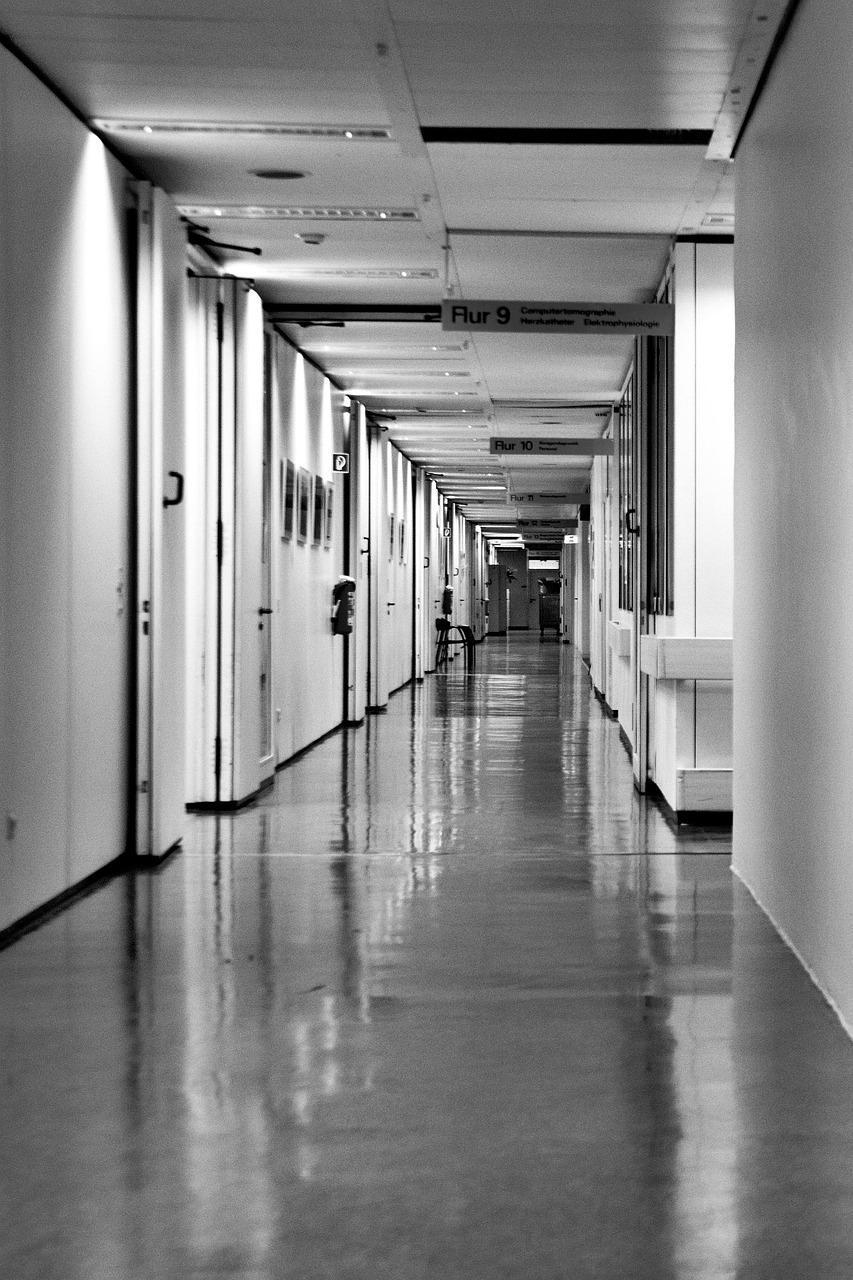
The entry sets the tone for everything that follows. Cool air, harsh light, and loud chatter can spike tension on arrival. Warmth, clear wayfinding, and a friendly face can do the opposite.
Design for quick orientation. Open sightlines, bold icons, and color-coded paths help patients find their place. Keep front desks uncluttered to signal order.
Offer immediate seating variety. A few quiet nooks, a spot near natural light, and chairs with arm support meet different needs. A gentle scent and tidy floors cue safety.
Managing Noise
Noise is one of the fastest ways to raise stress. Phones, carts, and overhead pages keep the nervous system on alert. Lower the volume, and people settle.
Use a layered approach to sound control. Seal gaps under doors, add soft materials, and set soft-close hardware. Buffer loud zones away from waiting and recovery spaces.
- Add acoustic panels on parallel walls
- Use rubber casters and door sweeps
- Shift paging to targeted mobile alerts
Biophilic Touches That Soothe
Elements of nature can calm the body within minutes. Views of trees, water, or even realistic images help regulate mood. Texture, pattern, and natural forms signal refuge.
Research in a peer-reviewed built environment journal noted that biophilic hospital design reduces stress and supports well-being for patients and caregivers. This can be as simple as integrating plants, natural materials, and daylight access. Even small moves like wood accents and leaf-patterned textiles make a difference.
Bring nature to multiple senses. Let in daylight without glare, add plantings patients can see, and use artwork with depth and horizon lines. Natural white noise, like fountains, can soften sharp sounds.
Privacy, Dignity, And Boundaries
Anxiety drops when people feel seen yet shielded. Visual privacy and respectful distance protect dignity. This matters in triage, bays, and shared rooms.
Use adjustable screens, ceiling-suspended curtains, and sound-masking to create flexible zones. If you take a look at the Cubicle Curtain Factory, you’ll see why many teams rely on curtains to outfit bays with durable, cleanable privacy curtains. Add clear signage so staff know when a space is occupied.
Mind the line of sight from hallways. Angle beds or chairs away from doorways and provide quick-to-close barriers. A small step for layout, a big win for comfort.
Light, Color, And Visual Comfort
Light drives alertness and emotion. Balanced brightness reduces eye strain and headaches. Avoid stark contrasts that make pupils work too hard.
Use warm-to-neutral tones for rest areas and brighter task light where the staff chart. Indirect fixtures lift mood without glare. Dimmer controls let teams tune the scene.
Color works as a calm guide. Soft greens and blues ease tension, while saturated accents support wayfinding. Keep patterns simple to avoid visual noise.
Time, Flow, And Attention
Waiting is never just about minutes. It is about attention, control, and fairness. Reduce each pain point, and time feels shorter.
Design for micro-choices. Offer seats for quiet, for families, and for mobility devices. Provide small tasks like forms, water, or a light snack to keep hands busy.
- Post honest wait-time ranges
- Send status updates by text
- Offer brief check-ins for reassurance
Cleanliness, Smell, And Perceived Safety
People read cleanliness with their noses and eyes. A stray odor can undo the best design. A crisp, neutral smell reassures.
Cleanable finishes and well-marked hand hygiene stations build trust. Keep clutter off floors and counters to show control. Close storage reduces visual stress.
Use materials that tolerate frequent disinfection without looking institutional. Rotate soft goods on a tight schedule. Teach teams to spot and fix smell sources fast.
Accessible, Inclusive Design As A Stress Reducer
Accessibility lowers cognitive load for everyone. Clear language, high-contrast signs, and step-free routes make care easier to reach. When patients can move and understand, they calm down.
Offer multiple languages for key instructions. Pair icons with words. Provide hearing loop systems and quiet rooms for sensory relief.
Test routes with wheelchairs and strollers. Widen turning radii and remove trip points. Small fixes prevent big frustrations.
Touch, Temperature, And Comfort Cues
Comfort is multisensory. The feel of fabric, surface temperatures, and airflow patterns all speak to the nervous system. Get those messages right.
Choose textiles with soft hand and quick-clean performance. Keep blankets within reach to avoid chills during exams. Tune HVAC for steady, draft-free air.
Provide personal control when possible. A small fan, a reading light, or a recline option can lower stress in seconds. Choice equals calm.
Staff Workflow That Patients Can Feel
Patients feel staff stress immediately. Bottlenecks and backtracking raise everyone’s pulse. A smooth workflow reads as safety.
Map the journeys of patients, staff, and supplies. Separate clean and soiled routes and reduce cross-traffic near waiting zones. Put essentials at the point-of-care to cut trips.
Invest in small communication upgrades. Quiet badges, clear role tags, and simple handoff scripts shorten confusion. When teams move smoothly, patients relax.
Measuring Calm And Keeping It
Track what matters. Short surveys, comment cards, and quick pulse checks reveal hotspots. Use those signals to guide fixes.
Measure sound, light, temperature, and odor incidents. Link peaks to times and locations. Then tune staffing and maintenance to match.
Close the loop with staff and patients. Share wins and next steps. A feedback rhythm keeps calm and durable.
Behavior Completes The Space
Design sets the stage, behavior runs the show. Warm greetings and eye-level conversation lower threat signals. Short, clear sentences help processing.
Coach teams to narrate next steps. Saying what will happen and how long it will take removes guesswork. That steady voice becomes a calm anchor.
Model resets after noise spikes or delays. A quick apology and a plan restore trust. Small habits, repeated, shape the feel of the place.
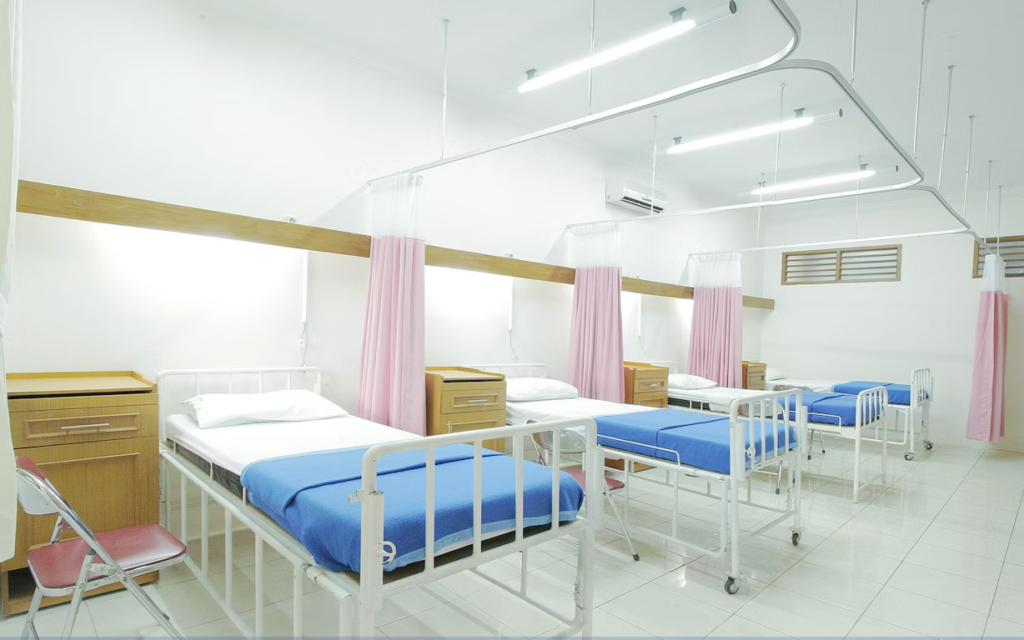
Anxiety is not a given in healthcare spaces. When environments are clear, quiet, and kind, people find their footing fast.
Start with a few high-impact moves and build from there. Each change reduces noise in the body, and that opens the door to better care.
Other Articles You May Find of Interest...
- Overcoming Harmful Patterns That Affect Daily Life
- How to Find Qualified Mental Health Counselors in 2026
- Healing Hearts: Effective Strategies for Relationship Obsessive Compulsive Disorder Treatment
- Does Lexapro Cause Fatigue and Tiredness?
- AI Therapy for Depression: Evidence, Benefits, and Limitations
- Law Enforcement Mental Health and Peer Support for Dispatchers: Strengthening Public Safety from Within
- Is Your Chest Tightness Linked to Anxiety? Discover the Connection



