






More Mental Health Articles
Embracing Neurodivergent Traits for a Healthier Mindset
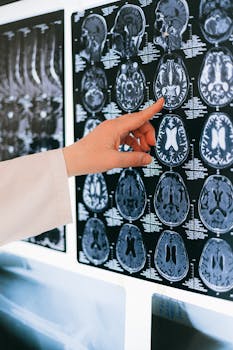
Understanding neurodivergent traits is crucial for promoting a healthier mindset and fostering environments where all individuals can thrive. These traits are variations in neurological functioning that result in different ways of thinking, learning, and processing information. Commonly associated with conditions like autism, ADHD, and dyslexia, neurodivergent traits can bring unique strengths and perspectives.
The Importance of Recognizing Neurodivergent Traits
Embracing neurodivergent traits involves recognizing the unique gifts and challenges these characteristics bring. Society often emphasizes conformity, but understanding and valuing diverse neurological patterns can enrich personal, educational, and professional spaces. By acknowledging these differences, we can create inclusive settings that appreciate the strengths neurodivergent individuals bring to the table.
Many neurodivergent individuals possess exceptional skills in areas like problem-solving and creativity. For example, neurodiversity can offer unique contributions to fields such as technology, science, and the arts by providing fresh, innovative perspectives.
Understanding Specific Neurodivergent Traits
While each neurodivergent individual is unique, certain common traits are often observed:
- Attention to Detail: Many neurodivergent individuals excel in tasks that require careful observation and meticulousness.
- Creative Thinking: Diverse neurological processing can lead to innovative ideas and solutions.
- Hyperfocus: Some individuals can concentrate deeply on interests, leading to significant achievements.
- Sensory Sensitivity: Heightened sensory perception can be a source of creativity or discomfort.
These traits can be strengths in various environments if understood and supported. Creating awareness and accommodating these differences benefits everyone by encouraging unique contributions.
Challenges and Support for Neurodivergent Individuals
Despite their strengths, neurodivergent individuals may face challenges, such as difficulty in navigating social norms or high levels of stress. Supportive practices, like flexible learning tools and workplace accommodations, can mitigate these challenges. Tailoring environments to suit individual needs allows neurodivergent persons to perform at their best.
Parents, educators, and employers can play pivotal roles in supporting neurodivergent individuals. Offering training and promoting understanding in these areas is vital. Consider learning more about improving brain health and focus by exploring what vitamins are good for brain fog and memory.
Promoting Inclusion and Diversity
Encouraging a culture of inclusion starts with education. Schools and workplaces can implement policies that promote understanding and accommodate different learning styles. Emphasizing strengths rather than focusing on deficits can transform how neurodivergent individuals are perceived and treated.
Fostering environments that accommodate diversity in neurological functioning enriches everyone by promoting creativity and problem-solving. Emphasizing inclusive practices ensures that all voices and ideas are celebrated.
Resources for Further Understanding
Continued engagement with resources and training is crucial for those wishing to understand and support neurodivergent individuals. Numerous organizations and online platforms offer valuable insights into how society can become more neurodiversity-friendly.
For an in-depth exploration of neurodivergent traits and their implications, visit this useful resource on neurodiversity and health.
Holistic strategies, such as mindfulness and dietary supplements, may help manage challenges associated with neurodivergence. It is important to approach these from a holistic, informed perspective and consult with healthcare professionals as needed.
Conclusion on Embracing Neurodivergent Traits
Embracing neurodivergent traits invites us to view diversity as a strength. By recognizing and valuing the unique contributions of neurodivergent individuals, we foster environments where everyone can succeed. Adopting a mindset of inclusion not only benefits the neurodivergent community but enriches society as a whole.
- Recognizing neurodivergent traits can foster inclusion and creativity.
- Specific traits offer unique strengths in various settings.
- Overcoming challenges requires support and tailored accommodations.
- The culture of inclusion begins with education and understanding.
- Valuing diversity in neurological functioning benefits everyone.
FAQs
What are neurodivergent traits?
Neurodivergent traits are variations in neurological functioning, often associated with conditions like autism and ADHD, leading to unique ways of thinking and processing information.
How can neurodivergent traits be strengths?
These traits can offer exceptional skills in areas like problem-solving and creativity, providing unique perspectives in fields such as technology and the arts.
What are some challenges faced by neurodivergent individuals?
Challenges may include difficulty with social norms and high stress levels, which can be alleviated through supportive practices and accommodations.
How can we promote inclusion for neurodivergent individuals?
Promoting inclusion involves implementing policies that support diverse learning styles and emphasize strengths, creating environments that accommodate neurological diversity.
Where can I learn more about neurodivergent traits?
To learn more about these traits, consult resources like educational articles or platforms that specialize in neurodiversity, and continue to seek out information and training.
Other Articles You May Find of Interest...
- Overcoming Harmful Patterns That Affect Daily Life
- How to Find Qualified Mental Health Counselors in 2026
- Healing Hearts: Effective Strategies for Relationship Obsessive Compulsive Disorder Treatment
- Does Lexapro Cause Fatigue and Tiredness?
- AI Therapy for Depression: Evidence, Benefits, and Limitations
- Law Enforcement Mental Health and Peer Support for Dispatchers: Strengthening Public Safety from Within
- Is Your Chest Tightness Linked to Anxiety? Discover the Connection



