






Your Health Magazine
4201 Northview Drive
Suite #102
Bowie, MD 20716
301-805-6805
More Mental Health Articles
Breaking the Stigma: Pathways to Mental Health Recovery
For generations, mental health has been the family secret whispered behind closed doors, the weakness that goes unspoken. The stigma surrounding it is a heavy blanket of shame, telling people they are broken and should be able to “snap out of it.” This shame often becomes a greater obstacle than the condition itself, preventing millions from seeking help.
But a global conversation is underway. We are learning that mental health is just as vital as physical health, and that a diagnosis is a starting point, not a life sentence. Breaking the stigma is the critical first step toward recovery. It’s about replacing judgment with empathy, fear with understanding, and isolation with community. When we dismantle the stigma, asking for help becomes an act of courage, not a sign of weakness.

What We’re Really Fighting
The first step in any battle is to understand your enemy. The stigma around mental health is a multi-headed beast.
- Public Stigma: This is society’s reaction. It’s the prejudiced attitudes, the whispered gossip, the assumption that someone is “dangerous,” and the casual misuse of clinical terms like “schizo” as jokes.
- Self-Stigma: This is the internalization of those public prejudices. When someone hears long enough that they are weak, they begin to believe it. This leads to crippling shame and the belief that they are fundamentally flawed. Self-stigma is often the most powerful force keeping people from reaching out.
- Institutional Stigma: This is systemic, where policies limit opportunities. It manifests as inadequate insurance coverage for mental health care or discriminatory hiring practices.
Recovery begins when we recognize that the shame doesn’t belong to the individual: it belongs to a system of misunderstanding.
Finding Your Pathway
For someone deep in a mental health challenge, reaching out can feel impossible. But it is the single most powerful act of self-compassion a person can take.
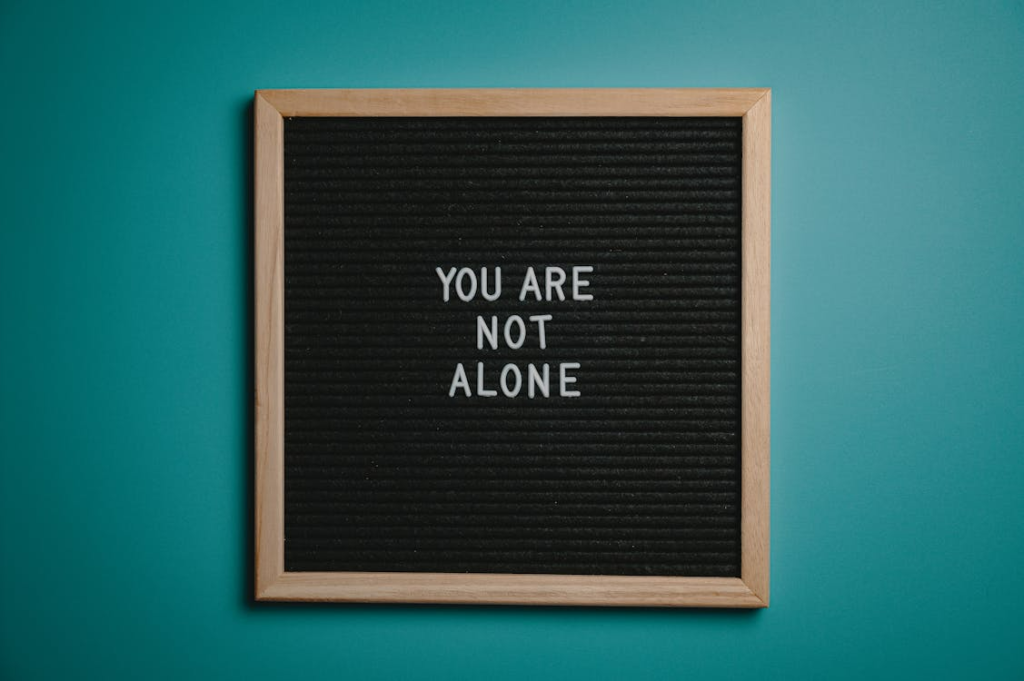
- Start with Trust: The first person you tell doesn’t have to be a professional. Speaking the words out loud to a trusted friend or family member can break the seal of isolation and remind you that you are not alone.
- The Primary Care Provider: Your family doctor is often the best first official step. They can rule out underlying medical issues and provide a referral to a therapist or psychiatrist. It’s a familiar, low-stakes environment to begin the conversation.
Specialized Care: For someone experiencing a profound break from reality or struggling with a complex condition like schizophrenia, the structure of a specialized facility can be life-changing. Finding a reputable Schizophrenia Treatment Center that offers medication management, therapy, and life-skills training can provide the focused environment necessary to stabilize symptoms. Also, they help rebuild a foundation for a meaningful life.
The Digital World: Teletherapy apps and online support groups have demolished geographical barriers. They offer anonymity and flexibility, making it easier for people with social anxiety or hectic schedules to access support.
Therapy and Tools
Once the door is opened, the real work of rebuilding begins. Recovery is about developing the tools to navigate life’s ups and downs without being capsized by them.
- The Power of Talk (Psychotherapy): Whether it’s Cognitive Behavioral Therapy (CBT) to challenge negative thoughts, or simply the safe space of psychodynamic therapy, talking with a trained professional helps untangle the knots in our minds.
- Medication as a Tool: For many, medication is not a crutch but a corrective lens. It helps correct chemical imbalances, making it possible to engage in therapy and life. It’s a personal journey to find the right fit, requiring patience and collaboration with a psychiatrist.
- Lifestyle as Medicine: The mind is housed in a body. Recovery often involves a holistic approach: prioritizing sleep, moving your body, and eating well. These aren’t cures, but they build a strong foundation.
- Peer Support: There is power in sitting with people who just get it. Support groups offer a space free from judgment where shared experience becomes a lifeline. It’s an antidote to isolation to hear someone say, “Me too.”
Family and Friends
Recovery doesn’t happen in a bubble. The people surrounding an individual play a vital role.
How to Help a Loved One:
- Listen More Than You Talk: You don’t need the answers. Just be present.
- Educate Yourself: Learn about their specific condition. Understand the difference between a symptom and a character trait.
- Use People-First Language: Say “a person with schizophrenia” not “a schizophrenic.” It reinforces that a diagnosis is just one part of a whole person.
- Offer Practical Support: Instead of “let me know if you need anything,” offer concrete help: “Can I drive you to your appointment?
- Care for the Caregivers: Supporting someone with a mental illness is demanding. Family and friends must also tend to their own mental health and set healthy boundaries. You cannot pour from an empty cup.
The Long Road and the Small Victories
Recovery is rarely a neat, linear story. It is a winding path with incredible peaks and devastating valleys. Relapse is not a sign of failure; it’s a sign that the illness has flared up, just like a physical chronic condition. It’s an opportunity to learn and adjust the treatment plan. On this journey, the victories are often small but profound. It’s getting out of bed and showering. It’s answering a text from a friend. These micro-wins are not trivial; they are the bricks with which a new life is built. Recovery often means accepting a “new normal”, learning your limits and honoring your needs, which is a profound act of self-love.
The Power of Speaking Out
The final, most powerful pathway is the journey from patient to advocate. When a person who has struggled in silence shares their story, they don’t just help themselves; they dismantle the stigma for everyone who comes after them. It is a reclamation of power. Every person who shares their story plants a seed of hope. It humanizes the statistics and shows others they are not alone.
Breaking the stigma is not a destination, but an ongoing process. It requires courage and a commitment to seeing the humanity in every person. Recovery is possible. It is happening every day, in therapists’ offices, in support group circles, and in the hearts of millions of people choosing to heal. The pathways are there; we just need to hold the lantern of compassion high enough so that everyone can find their way.
Other Articles You May Find of Interest...
- What to Know Before Requesting an ESA Letter in Florida?
- Breaking the Stigma: Pathways to Mental Health Recovery
- Signs It May Be Time to Seek Residential Mental Health Care
- Understanding Behavioral Health Treatment and When It’s Needed
- Is It Safe to Take Prozac During Pregnancy? Understanding the Risks and Benefits
- Exploring the Benefits and Risks of EVD Drainage in Health Care
- Can You Safely Use Lexapro and Weed Together?




