






More Medication Articles
Identifying the Tablet Marked 2172
By Your Health Magazine Health Information Team
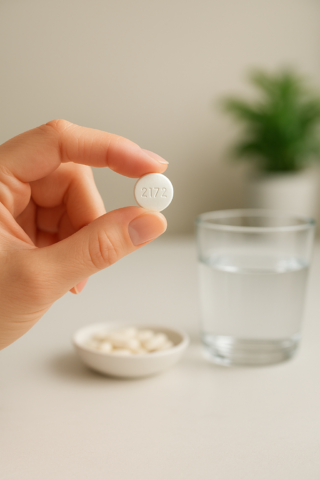
You find a loose white tablet in a drawer, purse, or medicine cabinet. One side is marked “2172,” but the original prescription bottle is nowhere in sight. Is it a familiar pain reliever, an old prescription, or something that should not be taken? Although an imprint can help identify a medication, it is important to confirm the tablet’s color, shape, score line, and packaging before drawing conclusions.
What Is the Tablet Marked 2172?
In United States medication records, a white, capsule-shaped or oval tablet marked 2172 on one side and scored on the other has been identified as hydrocodone bitartrate and acetaminophen. The listed strength is 5 milligrams of hydrocodone bitartrate and 325 milligrams of acetaminophen per tablet.
Hydrocodone is an opioid pain medication. Acetaminophen is a non-opioid pain reliever that is also found in many over-the-counter headache, cold, flu, and fever products. Together, these ingredients may be prescribed for pain severe enough to require an opioid when other treatments are not adequate or appropriate.
Hydrocodone combination products are Schedule II controlled substances in the United States because they carry significant risks of misuse, dependence, and addiction. The tablet 2172 is a prescription medication and should be used only by the person for whom it was prescribed.
Why the Complete Appearance Matters
The number 2172 by itself is not enough to identify every medication with certainty. Numbers may appear as tablet imprints, parts of National Drug Code numbers, manufacturing codes, or markings on products from outside the United States. When checking a tablet, consider all of the following:
- The complete imprint on both sides
- Whether the tablet is white, colored, or speckled
- Whether it is oval, capsule-shaped, round, or another shape
- Whether it has a score line
- Whether it came from a labeled prescription container
A tablet that is a different color or shape, has additional letters or numbers, or lacks the expected score line should not automatically be assumed to contain hydrocodone and acetaminophen. Counterfeit or damaged tablets can also resemble legitimate prescription drugs. The safest option is to ask a licensed pharmacist to examine the tablet and compare it with current drug-identification records.
How Hydrocodone and Acetaminophen Affect the Body
Hydrocodone changes how the brain and nervous system respond to pain. It can also slow activity in the central nervous system, which may lead to sleepiness, dizziness, impaired coordination, and slower breathing. Acetaminophen provides additional pain relief through different mechanisms, but taking too much can seriously injure the liver.
Commonly reported effects of hydrocodone combination products include:
- Drowsiness or fatigue
- Dizziness or lightheadedness
- Nausea or vomiting
- Constipation
- Dry mouth
- Reduced alertness or slowed reaction time
These effects can interfere with driving, working, climbing stairs, caring for children, or operating equipment. People should not drive or perform potentially dangerous activities until they know how a prescribed opioid affects them.
Constipation can become particularly troublesome with ongoing opioid use. Digestive symptoms do not always come from the same cause, however. People experiencing several gastrointestinal concerns may also find it helpful to understand the possible relationship between acid reflux and diarrhea.
Important Medication and Alcohol Risks
Hydrocodone can cause dangerous sedation and breathing problems, especially when combined with alcohol or other substances that slow the central nervous system. These may include benzodiazepines, sleep medicines, muscle relaxants, certain antihistamines, other opioids, and some medications used for anxiety or seizures. A doctor or pharmacist should review all prescription medicines, nonprescription products, vitamins, and supplements before an opioid is used.
The acetaminophen component creates an additional concern. Many cold, flu, headache, arthritis, and sleep products contain acetaminophen, sometimes listed as “APAP” on a prescription label. Using multiple acetaminophen-containing products can lead to an accidental overdose and severe liver damage. Anyone prescribed this medication should check product labels and ask a pharmacist before adding another pain reliever or cold remedy.
Reliable medication education is available through the MedlinePlus drug information library, but online information should not replace verification by a pharmacist when a loose or unfamiliar tablet is involved.
What to Do If You Find a Tablet 2172
Do not swallow a loose tablet simply because its imprint appears to match an online description. Place it where children, visitors, and pets cannot reach it, preferably in a closed container while arranging identification. A pharmacist can help determine whether it matches a legitimate prescription product.
If the tablet came from your prescription bottle but looks different from previous refills, contact the dispensing pharmacy before taking it. Generic medications can vary in appearance when a pharmacy changes manufacturers, but the pharmacist should confirm the imprint, ingredients, and strength.
Do not share the medication, save it for another person, or use it for a new pain problem without medical guidance. A score line also does not automatically mean the tablet should be divided; splitting should occur only when specifically confirmed by the prescriber or pharmacist. Unneeded opioid medication should be taken to an authorized medication take-back location whenever possible.
When to Seek Care
Call 911 immediately if someone who may have taken tablet 2172 cannot be awakened, has very slow or shallow breathing, makes choking or gurgling sounds, develops blue or gray lips or fingertips, or has very small “pinpoint” pupils. These can be signs of an opioid overdose. Administer naloxone if it is available, follow its instructions, and remain with the person until emergency help arrives.
Contact Poison Help at 1-800-222-1222 promptly if an unknown amount was swallowed, a child may have accessed the medication, or excessive acetaminophen exposure is possible. Do not wait for symptoms, because liver injury may not be immediately noticeable.
For non-emergency concerns, a pharmacist is usually the best professional to identify a tablet and check interactions. A physician, nurse practitioner, or physician assistant can evaluate persistent pain, troublesome side effects, or concerns about dependence. If it has become difficult to control opioid use, a primary care professional or addiction medicine specialist can provide confidential assessment and evidence-based support.
The Bottom Line
The white, capsule-shaped tablet 2172 with a score line has been identified in U.S. records as hydrocodone bitartrate 5 milligrams combined with acetaminophen 325 milligrams. Because it contains an opioid and acetaminophen, it carries risks including sedation, slowed breathing, dependence, overdose, and liver injury. Never rely on the number alone or take a loose medication without professional confirmation. When in doubt, keep the tablet secured and ask a pharmacist to verify it.
Other Articles You May Find of Interest...
- Single-Dose vs Multiple-Dose Vials: How to Read the Label
- Before Your First Compounded Prescription: Five Questions Worth Asking
- Medication Safety for Aging Parents: A Family Guide to Preventing Missed Doses and Dangerous Mix Ups
- Identifying Pink-and-White Benadryl Capsules
- Anti-Inflammatory Medicines for Trigger Finger: How Much Can They Help?
- What Fluticasone Propionate Cream Is Used For
- Identifying the Blue A 17 Pill and Avoiding Counterfeits





