Your Health Magazine Contributor
4201 Northview Drive
Suite 102
Bowie, MD 20716
More Medical Tourism Articles
How Long Does Miralax Take to Work? Dosage, Side Effects & Tips for Divers and Travellers
Dive trips come with plenty of talk about currents, visibility and what might swim past the boat. Digestion rarely makes the briefing, yet constipation is a common, if quietly endured, part of travelling to dive. Long flights, early boat departures, salty air and hours in the water all have a way of slowing things down.
Miralax is one of the most familiar over-the-counter answers to the problem, and divers often wonder whether it fits around a dive schedule. This guide looks at what Miralax is, why divers tend to struggle with constipation, how the product compares with other options, and how to use it sensibly on a trip built around the ocean.
What Is Miralax?
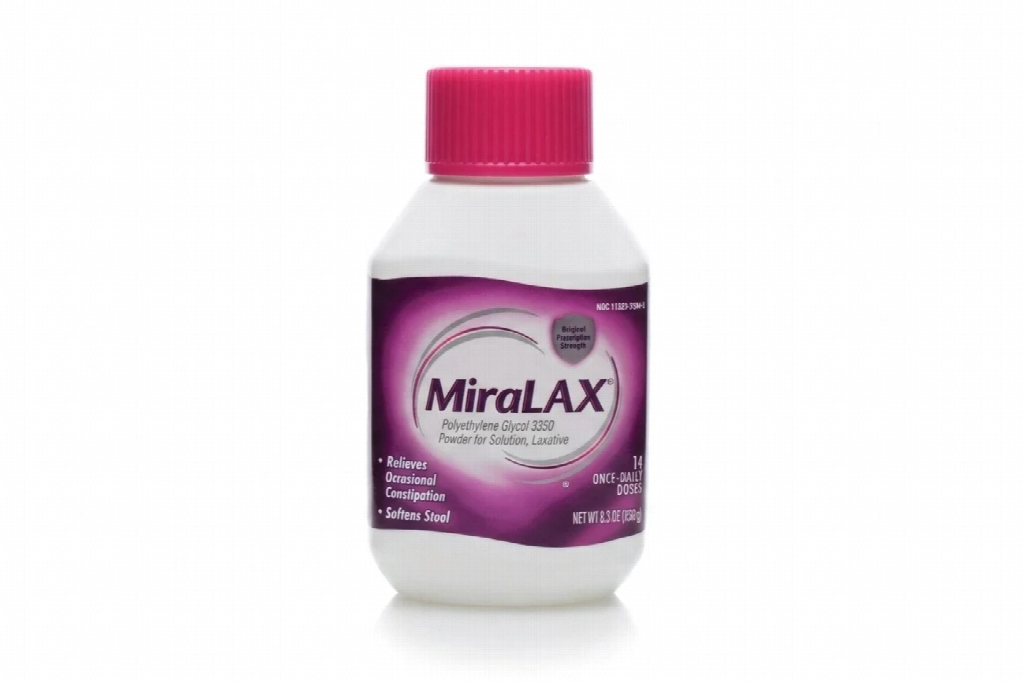
Miralax is an over-the-counter laxative used for the relief of occasional constipation. Its active ingredient is polyethylene glycol 3350, often shortened to PEG 3350. It comes as a tasteless, odourless powder that dissolves in water, juice, coffee or tea. That makes it easy to pack and easy to take, which partly explains its popularity with travellers.
How Long Does Miralax Take to Work?
Miralax usually produces a bowel movement within one to three days, according to the product label. That makes it a gradual fix rather than an instant one, which matters when you’re trying to time relief around a dive schedule.
The delay comes from how it works. Miralax is an osmotic laxative: instead of forcing the bowel to contract, it holds water in the stool as it moves through the colon, leaving it softer and easier to pass. Very little of the ingredient is absorbed into the body. How quickly it works varies from person to person, and depends partly on how dehydrated and backed up you are when you start.
Miralax Side Effects and Safety
Miralax side effects are usually mild. The most common are bloating, gas, stomach cramps, nausea and diarrhoea, and they often ease once the dose is stopped. The label says to stop using it and speak with a doctor if there is rectal bleeding, if nausea, bloating, cramping or abdominal pain gets worse, if diarrhoea develops, or if a laxative is needed for longer than a week. Used occasionally and as directed, it is considered safe for most adults.
How Miralax Compares With Other Laxative Types
Miralax is an osmotic laxative, one of four main types sold over the counter. Each type works on the bowel in a different way. They vary in how quickly they act, how comfortable they are and how well they suit a dive schedule. A closer look at each one shows where Miralax sits among the alternatives, and why one option may suit a trip better than another.
Osmotic Laxatives
Osmotic laxatives draw water into the bowel or hold it there, softening stool so it passes more easily. Miralax belongs to this group, along with lactulose and magnesium-based products such as magnesium hydroxide and magnesium citrate. PEG 3350, the ingredient in Miralax, tends to act gradually, usually within one to three days. Magnesium products often work within hours but are more likely to cause loose stools. Lactulose is a sweet syrup that can produce more gas. Magnesium-based options also call for caution in people with kidney problems.
Bulk-Forming Laxatives
Bulk-forming laxatives, such as psyllium and methylcellulose, work in much the same way as dietary fibre. They absorb water and swell, adding volume to stool and helping the bowel move it along naturally. They are often suggested as a first step for ongoing constipation and can take one to three days to have an effect. Like Miralax, they depend on water, but they need a full glass with every dose. Without enough fluid they can make constipation worse, which matters for travellers who are already dehydrated.
Stimulant Laxatives
Stimulant laxatives, such as senna and bisacodyl (the active ingredient in Dulcolax laxative tablets), prompt the muscles of the bowel wall to contract and push stool forward. Taken by mouth, they often work within six to twelve hours. That speed appeals to people who want quick relief, but it can come with cramping and a sudden sense of urgency. Stimulant laxatives are generally meant for short-term use. Compared with the gentler action of Miralax, they can be harder to plan around, especially on a boat with limited facilities.
Stool Softeners
Stool softeners, most commonly docusate, help water and fats mix into stool so it becomes easier to pass without straining. They are mild and often used after surgery, childbirth or in other situations where straining should be avoided. Results usually appear within one to three days. Their effect on constipation itself tends to be modest, so they are generally seen as a preventive option rather than a treatment for established constipation.
Why Divers Get Travel Constipation
Diving itself doesn’t cause constipation, but the conditions around it often do. Four factors tend to get in the way on a dive trip.
Fluid Loss In and Around the Water
Being submerged prompts the body to produce more urine, a process known as immersion diuresis. Breathing dry, compressed air from a tank adds to the fluid lost with every breath. Hot sun and salt water on the surface interval finish the job. When the body runs low on fluid, the colon pulls more water from stool, leaving it hard and slow to move. The effect builds quickly in hot, humid places.
In warm, humid tropical destinations such as Indonesia, the air is hot and boat days are long, so divers lose fluid faster than they notice. On a Bali scuba diving course, water breaks between sessions are part of the routine. Dehydration is also commonly listed among the factors linked to decompression sickness, which gives divers two good reasons to keep a water bottle close.
Travel and Broken Routines
Long-haul flights, changing time zones and early-morning boat departures all disrupt the body’s usual rhythm. Many people also put off a bathroom visit when the only option is a small boat toilet or a busy dive shop. Over several days, that habit alone can be enough to slow digestion.
Changes in Diet
Holiday menus often lean towards white rice, bread, fried food and less fresh fruit and vegetables than usual. Alcohol on the evening deck adds to dehydration. Even a few days of lower fibre and fluid can tip the balance.
Seasickness Medication
Many divers rely on motion sickness remedies for rough crossings. Some common options, including scopolamine patches and antihistamines such as meclizine and dimenhydrinate, can list constipation among their possible side effects.
Can Miralax Cure Constipation for Divers and Athletes?
The short answer is no, at least not in the sense of a cure. Miralax can relieve occasional constipation, often within one to three days, but it does nothing about the causes. For athletes, those causes usually include dehydration, heavy training loads, travel and changes in diet, and if they stay the same, constipation is likely to return once the dose stops. Miralax is better seen as a short-term aid while the underlying habits are corrected.
The pattern shows up across sports. A distance runner may be dehydrated after long sessions in the heat, a cyclist on a multi-day ride may eat at irregular times, and a swimmer may be juggling early training with travel to meets. Divers face their own version, with immersion, dry compressed air and long boat days all adding to fluid loss.
How to Manage Constipation When You Train or Travel: 6 Practical Steps
Most cases of constipation respond to simple changes, and Miralax can fill the gap when they aren’t enough. These steps cover both, with examples from a few different sports.
Start With Water and Fibre
Steady fluid intake through the day, rather than large amounts all at once, supports both digestion and performance. Fresh fruit, vegetables, oats and legumes add the fibre that travel menus and race-week routines often lack.
Keep a Regular Routine
Eating at roughly the same times each day, and allowing time for the bathroom before training, a race start or a boat departure, helps the body settle into a rhythm. Light activity on rest days, such as an easy walk, can also help.
Time Any Laxative Away From Key Days
Since Miralax can take up to three days to work, the timing of a bowel movement is hard to predict. Many athletes prefer to take it on a rest day, or to start it early in a trip or training block so that results arrive well before a race, a match or the busiest days of diving.
Follow the Miralax Dosage on the Label
The standard adult dose on the label is 17 grams, about one capful, stirred into 4 to 8 ounces (roughly 120 to 240 ml) of liquid once a day. The label advises against using it for more than seven days unless a doctor recommends it. People with kidney disease should only use it under a doctor’s supervision, and anyone with irritable bowel syndrome, nausea, vomiting, abdominal pain or a sudden change in bowel habits lasting more than two weeks should speak with a doctor first.
Tell Your Coach, Crew or Guide
Coaches, dive operators and tour guides all plan around how people feel on the day, so it helps to mention stomach trouble early. Divers fill in a medical questionnaire before the first dive, which makes it a natural moment to raise it. After a long flight to Bali, for instance, new food and travel often catch up with people by the time they reach a well-established Bali dive centre, and the same is true at a dive shop on the Red Sea. Runners and cyclists can do the same with a coach or teammate before a race, and letting people know about digestive issues.
Sit Out a Session When Needed
Cramping, bloating or diarrhoea are reasons to skip a dive, a run or a training session rather than push through. Missing one session is a small price compared with an uncomfortable ascent, a cramped finish or a dehydrated afternoon.
Frequently Asked Questions
How long does Miralax take to work?
For most people, one to three days.
Can you take Miralax every day?
The label says not to use it for more than seven days unless a doctor recommends it. Longer use should be under medical guidance.
Does Miralax cause dehydration?
It holds water in the bowel rather than removing it from the body, but diarrhoea, one of its possible side effects, can add to fluid loss. Keep drinking steadily while you take it.
Can you dive after taking Miralax?
Many divers do without problems, but cramping, bloating or diarrhoea are reasons to sit a dive out.
Is Miralax or Dulcolax better for a dive trip?
Miralax (PEG 3350) works gradually over one to three days and rarely causes urgency, which makes it easier to plan around dives. Dulcolax laxative tablets contain bisacodyl, a stimulant that usually works within six to twelve hours but is more likely to cause cramping, which is harder to manage on a boat.
Final Thoughts
Miralax can be a useful part of a diver’s travel kit. It offers gentle, predictable relief from occasional constipation when water, fibre and routine fall short. It isn’t a cure, though, and it tends to be most useful alongside the habits that keep digestion on track: steady hydration, a fibre-rich diet and time set aside for the basics.
For divers, those same habits also support safer, more comfortable days in the water. Planning laxative use around dive days, following the label and speaking with a doctor when symptoms persist keep a common holiday nuisance from getting in the way of the trip. This article is for general information only and doesn’t replace advice from a healthcare professional.
Other Articles You May Find of Interest...
- How Long Does Miralax Take to Work? Dosage, Side Effects & Tips for Divers and Travellers
- Veneers in Turkey: What to Know Before You Book Your Smile Makeover
- Hospitals in Turkey for Foreigners: How to Choose One Safely
- Rethinking the Annual Physical: Why Americans Are Looking Abroad for Preventive Healthcare
- Medical Tourism: Benefits, Risks, and Planning Considerations
- What Patients Should Consider Before Choosing a Hospital Abroad
- Brain Tumor Surgery: Types, Procedure, Risks and Recovery