




Your Health Magazine Contributor
4201 Northview Drive
Suite 102
Bowie, MD 20716
More Medical Tourism Articles
Hospitals in Turkey for Foreigners: How to Choose One Safely
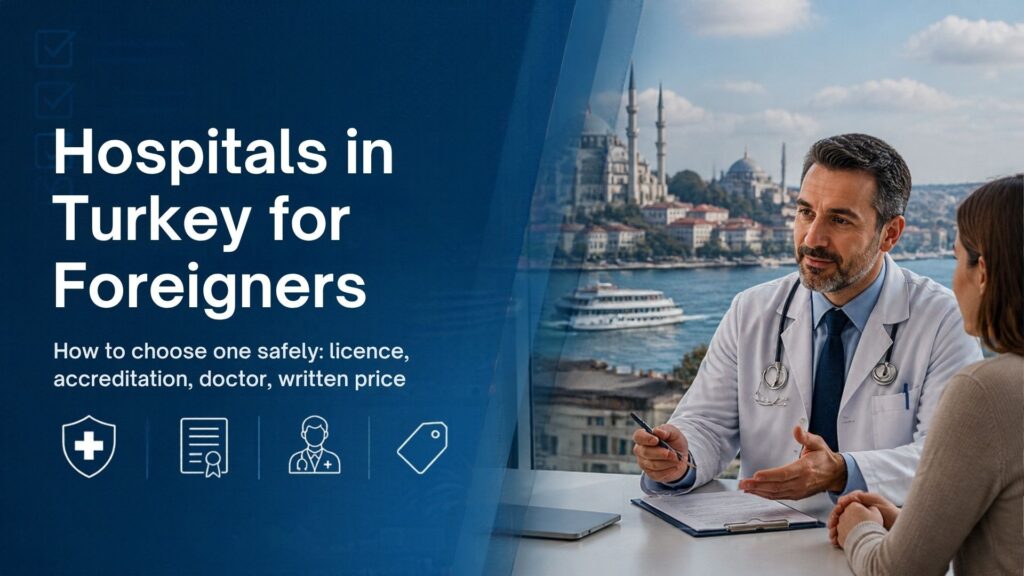
A practical guide for international patients comparing hospitals in Istanbul, Antalya, Izmir and Ankara.
Turkey is one of the most visited destinations for medical tourism. Patients from the UK, Europe, the US and the Middle East travel there for hair transplants, dental implants and veneers, eye surgery, cosmetic surgery, weight-loss surgery and complex hospital treatment, often at a fraction of the price at home.
The choice can feel overwhelming. Search for a hospital in Istanbul or hospitals in Antalya and you will find hundreds of names, glossy websites and very different prices. This guide explains how foreigners can compare hospitals in Turkey and choose one safely.
Public and private hospitals in Turkey
Turkey has a large public hospital network, but most international patients are treated in private hospitals and clinics. Private facilities usually have international patient departments, interpreters, shorter waiting times and fixed price lists for foreign patients.
Most hospitals that treat foreigners are in Istanbul, followed by Antalya, Izmir and Ankara. Istanbul has the widest choice of large hospital groups and specialist clinics, while Antalya combines treatment with a resort setting.
1. Check the Ministry of Health licence
Every private hospital and clinic in Turkey must be licensed by the Ministry of Health. Ask for the licence and make sure the name matches the facility on your quote. Hospitals that actively treat foreigners can also hold a Health Tourism Authorization Certificate, which covers services such as interpreters and patient coordination.
Be careful with offers from agencies that will arrange treatment at an unnamed “partner clinic”. You should always know the exact hospital and the doctor who will treat you.
2. Understand JCI and other accreditations
Many hospitals in Turkey display accreditation logos. They do not all mean the same thing:
- JCI (Joint Commission International) focuses on patient safety and quality of care. Hospitals are surveyed on site and must renew every three years. You can check the JCI register yourself.
- ISO 9001 certifies a quality management system. It is useful, but it is not a clinical standard.
- TÜRSAB relates to travel services such as transfers and hotels, not to medical care.
A small clinic without JCI can still be safe and well run, but for complex surgery many patients prefer an accredited hospital with intensive care on site.
3. Know your doctor
A reliable quote names the doctor, not just the hospital. Check the doctor’s specialty, training and experience, and how often they perform your procedure. In hair transplant and dental clinics, ask which steps the doctor performs personally and which are done by technicians.
4. Insist on a written, itemised price
Prices in Turkey are often quoted as packages. A good quote is written and lists what is included: surgery, anaesthesia, hospital nights, medication, tests, follow-up visits, airport transfers and hotel nights. Ask what happens to the price if the doctor changes the plan after examining you, and how deposits and refunds work.
5. Read reviews you can verify
Patient reviews help most when you can check where they come from. Google Maps reviews show the reviewer and the date. Read the critical reviews as well as the positive ones, and look at how the hospital answers complaints. A website that shows only five-star reviews is a warning sign.
6. Compare several hospitals before you decide
Ask for two or three quotes for the same treatment so you can compare doctors, hospitals and what is included. Independent platforms make this easier: Treat Journey, for example, lets patients compare hospitals in Turkey by city, specialty, accreditation, starting price and patient rating before contacting any of them.
7. Plan your recovery
Ask how many days you need to stay after treatment, when you can fly and what follow-up looks like once you are home. Make sure you receive your medical reports in English, keep your doctor at home informed, and consider travel insurance that covers complications abroad.
Red flags
- Pressure to pay a large deposit before you see a written plan
- No named doctor, or a doctor who changes at the last minute
- A price far below every other quote
- No licence or accreditation details on request
- Treatment in a hotel or an unnamed clinic
Frequently asked questions
Can foreigners be treated in Turkish hospitals?
Yes. Private hospitals and clinics treat international patients every day, and many have international departments with interpreters for English, German, Arabic and Russian speakers.
Are hospitals in Turkey safe for medical tourism?
Many are, but quality varies. Choose a licensed facility, check accreditations at the source, know your doctor and get a written quote. These steps remove most of the risk.
Which city is best for treatment?
Istanbul offers the widest choice. Antalya and Izmir suit patients who combine treatment with a stay by the sea, and Ankara has several large hospital groups.
The bottom line
Hospitals in Turkey can offer excellent care at a lower cost, and many foreign patients have very good experiences. Choose with the same care you would apply at home: check the licence, understand the accreditations, know your doctor, insist on a written price and read reviews you can verify.
About the author
Written by the editorial team at Treat Journey, a resource providing information about hospitals and doctors in Turkey for international patients.
This article is for general information and is not medical advice. Always discuss treatment decisions with a qualified doctor.
Other Articles You May Find of Interest...
- Hospitals in Turkey for Foreigners: How to Choose One Safely
- Rethinking the Annual Physical: Why Americans Are Looking Abroad for Preventive Healthcare
- Medical Tourism: Benefits, Risks, and Planning Considerations
- What Patients Should Consider Before Choosing a Hospital Abroad
- Brain Tumor Surgery: Types, Procedure, Risks and Recovery
- Full-Arch Dental Implants in Turkey: What Should Your Treatment Plan Include?
- How to Choose a Safe Hair Transplant Clinic in Turkey: A Patient’s Health Guide for 2026





