Your Health Magazine Contributor
4201 Northview Drive
Suite 102
Bowie, MD 20716
More Legal and Health Articles
Mental Health and Personal Injury: How an Injury Lawyer Can Help You Protect Your Rights
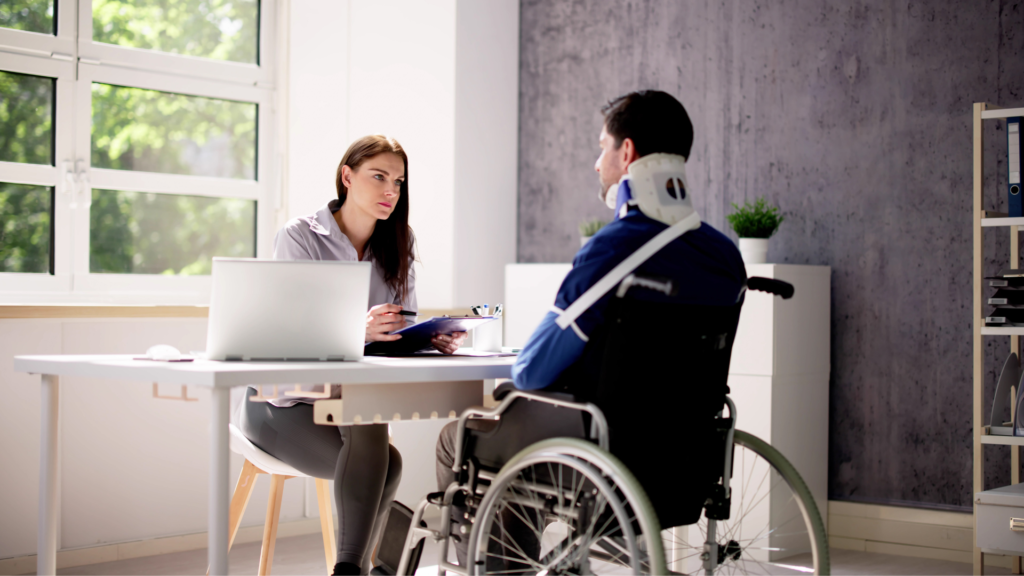
Mental health is an essential part of overall well-being, affecting how people think, feel, work, and interact with others. However, psychological injuries and mental health conditions can sometimes develop or become worse following traumatic experiences, accidents, workplace incidents, or serious personal injuries. Unlike physical injuries, mental health challenges are not always immediately visible, which can make them difficult to explain, document, and address. People experiencing anxiety, depression, post-traumatic stress, or other psychological conditions may face emotional difficulties alongside financial pressure and uncertainty about their legal rights.
When mental health problems are connected to an accident, negligence, or another legally significant event, understanding the available options can be important. Legal professionals such as Affinity Law can help individuals understand their rights and explore possible legal remedies. An experienced injury lawyer may also assist with evaluating psychological injury claims, gathering supporting evidence, and explaining whether compensation or disability-related benefits may be available under applicable laws.
Understanding Mental Health Conditions After an Injury
Psychological injuries can affect people in different ways. Some individuals experience emotional distress immediately after a traumatic event, while others develop symptoms gradually over time.
A serious car accident, workplace injury, medical incident, or violent event can sometimes have lasting psychological consequences. Even when physical injuries appear relatively minor, the emotional impact may significantly affect someone’s daily life.
Common mental health conditions associated with traumatic experiences include:
- Post-traumatic stress disorder (PTSD): May involve intrusive memories, nightmares, heightened anxiety, and avoidance of reminders of a traumatic event.
- Depression: Can affect motivation, energy, concentration, sleep, and everyday activities.
- Anxiety disorders: May cause persistent worry, fear, panic attacks, and difficulty managing ordinary situations.
- Adjustment disorders: Can develop when someone struggles to cope with a stressful or significant life event.
- Psychological distress: May involve emotional suffering, sleep disturbances, and difficulty returning to normal routines.
Not every mental health condition results from another person’s negligence. However, when a psychological injury is connected to an identifiable incident, it may be important to understand whether legal options exist.
When Can Mental Health Problems Become a Personal Injury Claim?
Personal injury law generally allows individuals to seek compensation when another party’s legally recognized wrongdoing causes harm. Depending on the jurisdiction and circumstances, this harm may include psychological injuries as well as physical injuries.
For example, someone involved in a serious road accident may develop PTSD that makes driving difficult. A worker exposed to a traumatic workplace incident may experience anxiety or depression that interferes with their ability to continue working.
Similarly, a person who experiences a traumatic event because of another party’s negligence may develop psychological symptoms that require professional treatment.
Psychological Injuries Caused by Accidents
Road accidents, serious falls, and other unexpected incidents can affect more than physical health. Survivors may experience fear, emotional distress, sleep problems, and difficulty returning to activities they previously enjoyed.
When another party’s negligence contributed to the incident, a personal injury claim may potentially include damages related to the psychological consequences.
Workplace-Related Mental Health Conditions
Workplace incidents can sometimes result in psychological injuries. These may follow serious accidents, traumatic events, or other circumstances involving unsafe working conditions.
Depending on the applicable laws and evidence, individuals may have options involving workers’ compensation, disability benefits, or separate legal claims.
A lawyer can help explain which legal framework may apply and whether additional action is appropriate.
Mental Health Consequences of Medical Negligence
Medical treatment can sometimes involve errors or failures that result in serious physical or psychological harm. A traumatic medical experience may contribute to anxiety, depression, or other mental health difficulties.
People who believe negligent medical treatment caused their condition may benefit from understanding how medical malpractice claims are evaluated. Your Health Magazine discusses this subject in its article, How a Tucson Medical Malpractice Lawyer Reviews a Potential Claim.
How an Injury Lawyer Can Help With Mental Health Claims
Pursuing a legal claim involving psychological injuries can be challenging because emotional and mental harm may not be as easily documented as a broken bone or visible physical injury.
An injury lawyer can help individuals understand the legal process and organize the information needed to evaluate their circumstances.
1. Evaluating the Circumstances of the Injury
The first step is understanding how the mental health condition developed and whether it may be connected to an accident, traumatic event, or another party’s actions.
A lawyer can review the available information, ask relevant questions, and assess whether the circumstances may support a personal injury or disability-related claim.
Not every psychological condition qualifies for compensation. The legal requirements and available remedies depend on the facts and applicable law.
2. Gathering Medical and Psychological Evidence
Medical evidence is particularly important in psychological injury cases. Documentation from qualified healthcare professionals can help explain the nature of the condition, its symptoms, and its impact on everyday activities.
Supporting evidence may include:
- Psychiatric and psychological assessments.
- Medical records and treatment histories.
- Therapy and counseling documentation.
- Prescriptions and medication records.
- Employment records showing changes in work capacity.
- Reports explaining how the condition affects daily activities.
A lawyer can help identify relevant documentation and explain how it may support the legal evaluation of a claim.
3. Establishing the Connection Between the Event and the Condition
One of the important issues in a psychological injury claim is demonstrating the relationship between the incident and the mental health condition.
For example, if someone develops PTSD after a serious accident, medical professionals may help assess the symptoms and their possible connection to the event.
Legal professionals can coordinate the collection of relevant records and, where appropriate, work with qualified experts to understand the evidence.
4. Explaining Potential Compensation
Depending on the applicable law and circumstances, compensation in a personal injury claim may include certain medical expenses, lost income, rehabilitation costs, and damages for psychological suffering.
Some individuals may also qualify for disability-related benefits if their condition significantly affects their ability to work.
An injury lawyer can explain which types of compensation may be available and help individuals understand the requirements involved.
Why Mental Health Claims Require Special Attention
Psychological injuries can be complicated because their effects are not always visible to other people. Someone may appear physically healthy while struggling with serious anxiety, depression, or trauma-related symptoms.
This can create difficulties when explaining the impact of a condition to insurance companies, employers, or other parties.
Understanding the Long-Term Impact
Mental health conditions may affect employment, relationships, sleep, concentration, and independence. Some people recover with treatment, while others require ongoing professional support.
When evaluating a legal claim, it is important to consider how the condition affects both current circumstances and reasonably anticipated future needs.
Protecting Privacy and Medical Information
Mental health records contain highly personal information. Individuals should understand how their medical information may be requested, used, and disclosed during a legal process.
A lawyer can explain relevant privacy considerations and help individuals understand what documentation may be necessary for their claim.
Steps to Take After Experiencing a Psychological Injury
Taking appropriate steps after a traumatic incident can support both recovery and the preservation of relevant evidence.
Consider the following actions:
- Seek professional healthcare support: Consult a qualified medical or mental health professional about symptoms and treatment options.
- Keep relevant records: Maintain medical reports, treatment documentation, prescriptions, and related expenses.
- Document the incident: Record important details about what happened, including dates, locations, and available witnesses.
- Follow treatment recommendations: Consistent professional care can support recovery and create an accurate treatment history.
- Understand your legal options: Consult a qualified injury lawyer if you believe another party’s negligence contributed to your psychological injury.
It is also important to remember that seeking mental health treatment should never be delayed simply because someone is considering a legal claim.
Supporting Recovery While Protecting Your Legal Rights
Recovering from psychological injuries requires patience, appropriate treatment, and a supportive environment. Therapy, medical guidance, healthy routines, and support from trusted people can all play a role in improving mental well-being.
Legal proceedings should complement, rather than replace, professional healthcare. Individuals should focus on their recovery while obtaining appropriate advice about their rights and responsibilities.
An experienced injury lawyer can help reduce some of the uncertainty associated with legal claims by explaining procedures, reviewing evidence, communicating with relevant parties, and helping individuals understand their available options.
Final Thoughts
Mental health conditions can have a significant impact on every aspect of a person’s life, particularly when they develop after a traumatic accident or another harmful event. Although psychological injuries are not always visible, their consequences can be just as serious as many physical injuries.
Understanding the connection between mental health and personal injury law can help individuals recognize when professional legal guidance may be appropriate. An injury lawyer can assist with evaluating potential claims, organizing medical evidence, understanding compensation options, and protecting important legal rights.
Most importantly, people experiencing psychological injuries should prioritize their health and seek appropriate professional support. With proper treatment, reliable legal guidance, and a clear understanding of available options, individuals can take meaningful steps toward recovery and financial stability.
Other Articles You May Find of Interest...
- Mental Health and Personal Injury: How an Injury Lawyer Can Help You Protect Your Rights
- 6 Medical Complications That May Develop After a Motorcycle Leg Injury
- Who Qualifies for Mesothelioma Compensation?
- How No-Win, No-Fee Injury Claims Work
- What to Do After Suffering a Traumatic Brain Injury
- How Alaska Caps Pain and Suffering Damages in Malpractice Claims
- How Alcohol Changes the Way You Drive, and Why “Feeling Fine” Isn’t a Reliable Test