Your Health Magazine Contributor
4201 Northview Drive
Suite 102
Bowie, MD 20716
More Legal and Health Articles
How Common Is PTSD in Naples, Florida? What Residents Should Know
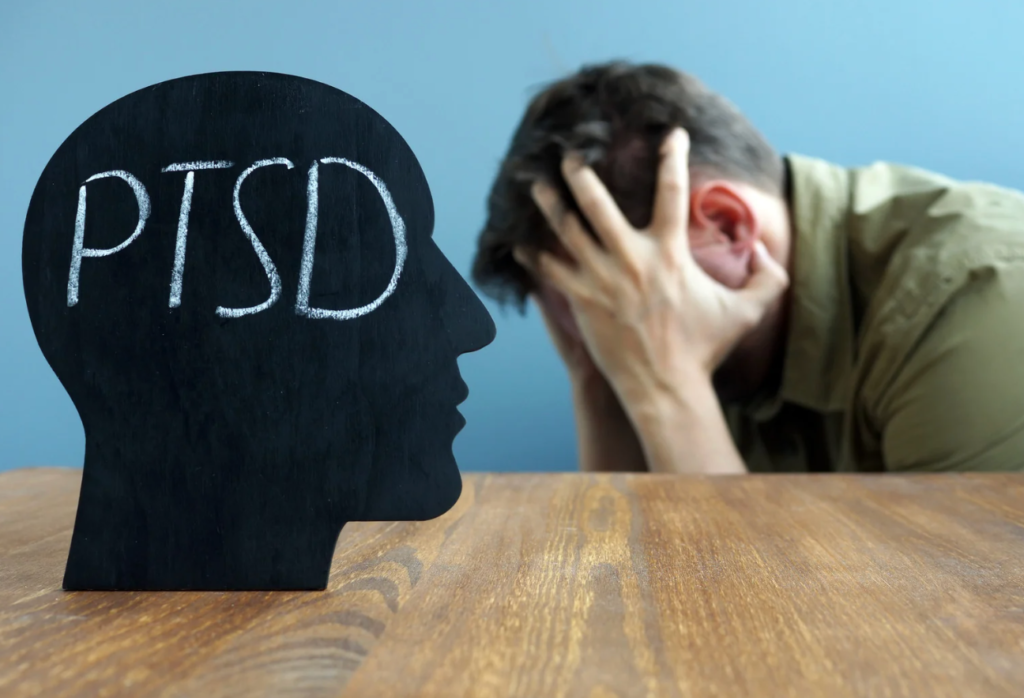
Naples looks like the least stressful place in America. White-sand beaches, golf courses and a calm Gulf draw retirees and seasonal residents who split the year between Naples and homes farther north, including in Maryland, Virginia, and DC. But Naples residents have lived through events that leave lasting trauma like Hurricane Ian in 2022, serious crashes on I-75 and US-41, and, for the area’s veterans, the effects of military service.
Post-traumatic stress disorder (PTSD) is more common in Southwest Florida than the postcard suggests. Here’s what the data shows, the symptoms to watch for, where to get help in Collier County, and how Florida law treats PTSD after an accident someone else caused.
How Common Is PTSD in the United States?
About 5 out of every 100 American adults have PTSD in any given year, according to the U.S. Department of Veterans Affairs’ National Center for PTSD. In 2020, that came to about 13 million people. About 6% of Americans develop PTSD at some point in their lives.
The risk is not spread evenly:
- Women develop PTSD at about twice the rate of men: 8% of women and 4% of men over a lifetime.
- Veterans have higher rates than civilians. About 7% of veterans develop PTSD in their lifetime, and the rate reaches 29% among veterans who served in Iraq or Afghanistan.
No agency publishes a PTSD rate for Naples or Collier County alone. To estimate local risk, you look at the traumatic events Naples residents face most often.
Did Hurricane Ian Leave Lasting PTSD in Southwest Florida?
Yes, and the effects outlasted the cleanup. Hurricane Ian made landfall at Cayo Costa in Lee County on Sept. 28, 2022, as a Category 4 storm with 150 mph winds. Naples recorded a peak storm surge of just over 6 feet, breaking the city’s record from Hurricane Irma by almost 2 feet. The National Weather Service reported that surge flooding covered almost all of Collier County south and west of US-41, and it put damage in the city of Naples alone at $989 million.
Two years later, the SanCap Resiliency group surveyed close to 900 people on Sanibel and Captiva Islands, just north of Naples. Most respondents lived on the islands full time. Its findings:
- 50% said they were still shaken by Hurricane Ian
- 20% said the storm left them financially strained
- 7% reported PTSD as a result of the hurricane
Those numbers are self-reported, not clinical diagnoses, and they come from Lee County’s barrier islands, not Naples itself. Still, they show how long one storm stays with people: half the respondents were still shaken two years later.
Repeat storms raise the risk. A 2022 study in JAMA Network Open surveyed 1,637 Florida residents after Hurricanes Irma and Michael. It linked repeated direct, indirect and media exposure to hurricanes with more post-traumatic stress symptoms over time. Since Ian, Floridians have faced Idalia in 2023 and Helene and Milton in 2024.
Beth Hatch, CEO of the National Alliance on Mental Illness in Collier County, described the weeks after Ian to the Associated Press: “When someone’s in a state of trauma that so many are in, they don’t know where to begin.”
Pro tip: If you own or rent a winter home in Naples, storm anxiety often returns each June when hurricane season opens. Book a counseling check-in before the season starts, not after a storm forms in the Gulf.
How Often Does a Car Crash Lead to PTSD?
Car crashes are one of the most common causes of PTSD among civilians. A 1999 study in the American Journal of Psychiatry followed 122 people after serious crashes. One month later, 34.4% met the criteria for PTSD. At six months, 18.2% still did.
A meta-analysis published in November 2025 in Health Promotion Perspectives pooled studies of road traffic crash survivors. It found an overall PTSD rate of 20.3%, and 18.7% when clinicians made the diagnosis. That’s roughly 1 in 5 crash survivors.
Collier County roads produce a steady stream of those crashes. The county recorded 30 traffic deaths in 2025, down from 59 in 2024, according to the Naples Daily News. Behind every fatal crash are survivors, witnesses and families, and behind them are thousands of injury crashes on I-75, US-41 (Tamiami Trail), Immokalee Road and Collier Boulevard.
Crash-related PTSD looks different from storm trauma. Survivors report:
- Driving avoidance. Refusing to drive, taking long detours around the crash site, or riding only as a passenger.
- Hypervigilance on the road. Gripping the wheel, braking hard at intersections, or panic when a truck passes on I-75.
- Sleep disruption. Nightmares of the impact, or waking at the sound of screeching tires.
What Are the Signs of PTSD, and When Does Stress Become a Disorder?
Short-term stress after a trauma is normal. PTSD begins when symptoms last longer than a month and disrupt daily life. Florida State University psychology professor Brad Schmidt explains that in the first month after trauma, doctors diagnose acute stress disorder instead, and most people’s symptoms fade in the weeks that follow.
The National Center for PTSD groups PTSD symptoms into four types:
- Reliving the event: flashbacks, nightmares and intrusive memories
- Avoidance: staying away from places, people or conversations tied to the trauma
- Negative changes in mood and beliefs: guilt, shame, numbness, or loss of interest in hobbies
- Feeling on edge: trouble sleeping, irritability, a strong startle reaction and poor concentration
Jack Darkes, director of the University of South Florida Psychological Services Center, told WUSF after the 2024 storms that the key question is whether symptoms resolve over time. If they don’t, see a professional.
Pro tip: Write down your symptoms and the date they started. A dated log helps your doctor separate PTSD from depression or anxiety, and it creates a clear medical record.
Where Do Naples Residents Get PTSD Treatment?
Naples has trauma-focused care close to home. David Lawrence Centers for Behavioral Health, Collier County’s only comprehensive nonprofit behavioral health provider, treats PTSD, anxiety and depression for adults and children. Its Naples locations include 6075 Bathey Lane and 2806 South Horseshoe Drive.
Veterans have a dedicated option. In 2022, David Lawrence Centers partnered with Home Base, a Red Sox Foundation and Massachusetts General Hospital program, to offer no-cost treatment for veterans in Southwest Florida. Clinicians use cognitive processing therapy and prolonged exposure, both short-term, evidence-based PTSD treatments.
Seasonal residents face a gap in care. If your therapist practices in Maryland or Virginia, check whether they’re licensed to provide telehealth while you’re in Florida. Licensing rules for telehealth across state lines vary, so ask before you leave for the winter.
In a crisis, call or text 988 to reach the Suicide and Crisis Lifeline from anywhere in the country.
Does Florida Law Compensate PTSD After an Accident?
Yes. Florida law lets you seek compensation for PTSD when another person’s negligence caused the crash or injury, but the rules are strict and the deadlines are short.
PIP pays first, and only if you act fast. Florida’s no-fault system requires drivers to carry $10,000 in personal injury protection (PIP). You must get initial medical care within 14 days of the crash, or you lose PIP medical benefits. Without a diagnosis of an “emergency medical condition,” PIP medical benefits cap at $2,500.
Pain and suffering requires a permanent injury. To step outside the no-fault system and claim pain and suffering, including the emotional harm of PTSD, Florida requires proof that the crash caused a permanent injury, established within a reasonable degree of medical probability, or another serious injury the statute lists. That makes early diagnosis and consistent treatment records critical.
Two-year deadline. Florida’s 2023 tort reform law, HB 837, cut the deadline for most negligence lawsuits from four years to two.
The 50% rule. The same law moved Florida to modified comparative negligence. If a jury finds you more than 50% at fault, you recover nothing.
Snowbirds face extra hurdles. A Maryland or Virginia resident hurt in Naples deals with Florida’s deadlines, Florida courts and an auto policy written in another state. Review your policy with your agent before you drive south for the season, so you know which coverage applies in Florida.
Why Does Local Legal Help Matter for a PTSD Claim in Naples?
PTSD claims following car accidents in Naples, Florida, require medical evidence connecting the psychological injury to the collision. Insurance companies often question these claims because PTSD does not appear on an X-ray or MRI. Medical records, mental health evaluations, and documented changes in daily activities help establish how the accident affected the injured person.
For Naples residents injured along U.S. 41, Interstate 75, or other roads in Collier County, understanding Florida’s legal requirements can be important when pursuing compensation. A Naples personal injury lawyer can review medical documentation, explain applicable filing deadlines, and help determine whether the circumstances support a personal injury claim.
Seasonal residents who return to another state while their claims remain active may also need assistance coordinating medical records, communicating with insurers, and understanding Florida court procedures.
PTSD in Naples
PTSD is common in Naples because the trauma is common: hurricanes that return year after year, serious crashes on busy corridors, and a veteran community with service-related stress. National data puts PTSD at 5% of adults each year, half of surveyed island residents were still shaken two years after Ian, and about 1 in 5 crash survivors develop PTSD.
The symptoms are treatable. If nightmares, avoidance or constant tension last more than a month, talk to a doctor. If someone else’s negligence caused your trauma, get treatment within 14 days, keep every record, and get legal advice well before Florida’s two-year deadline.
Other Articles You May Find of Interest...
- Key Questions Ocala Residents Should Ask Before Accepting a Quick Injury Settlement
- Why a Fall in a Big-Box Store Can Cause Lingering Injuries Without a Broken Bone
- Dog Bites in Ontario: How the Law Assigns Responsibility
- How Long Do You Have to File an Injury Claim in Farmington, Maine?
- How St. Petersburg Families Can Determine Whether a Medical Injury Was Preventable
- How Can a Claim Be Worth $100,000 on Paper but Settle for $20,000?
- Mental Health and Personal Injury: How an Injury Lawyer Can Help You Protect Your Rights