






More Hormone Therapy Articles
Are Hormonal Headaches Holding You Back?
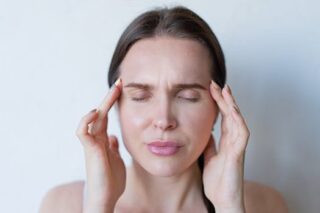
If you suffer from severe headaches that coincide with your menstrual cycle, you may be experiencing what is known as a hormone headache. Hormonal fluctuations, particularly those involving estrogen and progesterone, can trigger these debilitating headaches. Understanding the causes and potential treatments can provide relief and improve your quality of life.
Understanding Hormone Headaches
Hormone headaches, also known as menstrual migraines, are primarily linked to the changes in hormone levels that occur throughout the menstrual cycle. Estrogen plays a significant role in headache mechanisms, and fluctuations in this hormone may be the underlying cause. Women approaching menopause may also encounter increased occurrences of these headaches due to erratic hormone levels.
Symptoms of hormonal headaches can be severe and may include throbbing or pulsing pain on one side of the head, nausea, vomiting, and sensitivity to light and sound. It is crucial to differentiate between regular migraines and hormone headaches to tailor effective management strategies.
Managing Symptoms of Hormonal Headaches
Several strategies can help manage the symptoms of hormonal headaches. Over-the-counter pain relievers such as ibuprofen or acetaminophen may offer temporary relief. It is important to use these medications as per the directions and consult with a healthcare provider if headaches persist.
Alternative treatments that focus on relaxation, such as yoga and meditation, have shown promise in reducing headache frequency and severity. Regular physical activity may also help regulate hormone levels, potentially minimizing headache episodes. Dietary changes, like maintaining a balanced diet rich in nutrients while avoiding known headache triggers such as caffeine and alcohol, may further aid in reducing incidents.
Preventative Measures for Hormonal Headaches
Identifying triggers and keeping a headache diary can be beneficial in understanding patterns and preventing future headaches. Some women find relief through hormonal therapy under the guidance of a healthcare provider. This approach may involve the use of hormonal contraceptives to stabilize estrogen levels. However, this should be discussed thoroughly with a medical professional to evaluate risks and benefits.
You can also explore alternative treatment options that can influence hormonal balance.
When to See a Doctor About Hormone Headaches
If you experience frequent and severe headaches that disrupt daily activities, it’s essential to seek medical advice. A healthcare provider will evaluate your symptoms, potentially perform blood tests to check hormone levels, and recommend appropriate treatments. In some cases, migraines that align with your menstrual cycle may require a different approach compared to standard therapy.
Complementary Treatments to Consider
Research suggests that certain dietary supplements may help in reducing headache occurrences. Magnesium and riboflavin are often recommended; however, more evidence is needed to confirm their effectiveness fully. As with any supplement, discuss with a healthcare provider before starting any new regimen to ensure it is safe given your health history.
For a comprehensive view of health-related topics, further resources can be found through authoritative references.
Ultimately, understanding hormone headaches and being proactive in their management can mitigate their impact. While hormone-related headaches are common among women, getting a proper diagnosis and working with a healthcare provider can significantly improve your daily living.
- Hormone headaches are often linked to menstrual cycles.
- Management includes medication, lifestyle changes, and hormonal therapy.
- Consult a healthcare provider for personalized treatment options.
- Dietary supplements may play a role in managing symptoms.
- Regular tracking of headache patterns can aid in identifying triggers.
What is the primary cause of hormone headaches?
Hormone headaches are primarily caused by fluctuations in hormone levels, particularly estrogen, which occur during menstrual cycles, perimenopause, or due to other hormonal changes.
Can lifestyle changes help with managing hormone headaches?
Yes, incorporating regular exercise, managing stress through relaxation techniques, and maintaining a balanced diet can help manage symptoms of hormone headaches.
Are there specific medications for hormone headaches?
Over-the-counter pain relievers may offer temporary relief. In some cases, prescription medications or hormonal therapy may be recommended by a healthcare provider.
Could supplements help in reducing hormonal headaches?
Some studies suggest that magnesium and riboflavin supplements may help reduce headache occurrences, though it’s essential to consult with a healthcare provider before starting any new supplement.
Why is it important to keep a headache diary?
A headache diary can help identify triggers and patterns, allowing you and your healthcare provider to tailor a more effective prevention and treatment plan.
Other Articles You May Find of Interest...
- Understanding the Growing Demand for Hormone Balance Treatments
- The Impact of Tropic Hormones on Your Health
- Effective Methods for Testing Your Hormone Levels
- The Mystery Behind Persistent Hard Nipples: Causes and Solutions
- Unlocking the Secrets of Tamoxifen’s Mechanism of Action
- Why Energy Levels Change After 30 (And What You Can Do About It)
- Maximizing Muscle Growth: The Ideal Sermorelin Dosage Explained




