Your Health Magazine Contributor
4201 Northview Drive
Suite 102
Bowie, MD 20716
More Home Care & Wellness Products Articles
Beyond Kitchen Design: Why Stainless Steel and Proper Ventilation Matter for a Healthier Home
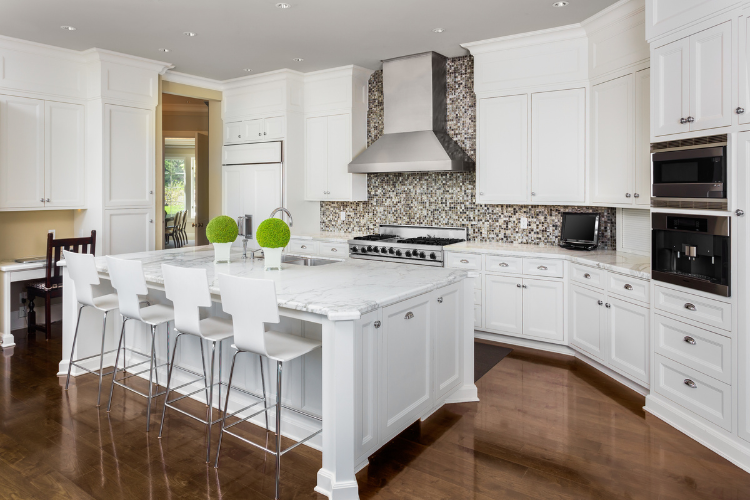
Alt text: Kitchen with Stainless Steel Range Hood
Image link: https://www.canva.com/photos/MADart7fK-8/
A healthy home involves more than comfortable furniture, attractive interiors, and carefully chosen décor. The materials used throughout the home and the systems that support everyday living also deserve attention.
The kitchen is an especially important space because cooking can release smoke, grease, moisture, and airborne particles that affect indoor air quality. Choosing appropriate surfaces and installing effective ventilation can help create a cleaner, more comfortable environment.
Stainless steel range hoods bring these considerations together. They combine a durable, practical material with an appliance designed to remove cooking fumes and airborne contaminants. While stainless steel offers several advantages as a kitchen material, the ventilation system itself plays an important role in maintaining indoor air quality.
Why Material Choices Matter in a Healthy Kitchen
Kitchen materials experience considerable daily wear. Heat, moisture, food splashes, grease, and frequent cleaning can quickly affect surfaces that cannot withstand demanding conditions. Choosing durable, hygienic materials helps homeowners maintain a cleaner and more functional cooking environment.
Stainless steel is a popular choice because it offers durability, corrosion resistance, and straightforward maintenance. Its nonporous surface does not readily absorb liquids or food residue, making it easier to clean than many porous materials. When properly maintained, stainless steel also resists rust and helps discourage bacterial accumulation on surfaces.
The material itself is generally considered safe for food-related applications and does not require chemical coatings to provide its characteristic protective surface. Its heat resistance makes it particularly suitable for kitchens, where appliances and cooking equipment regularly encounter elevated temperatures.
These qualities make stainless steel a practical option for range hoods, sinks, countertops, and other frequently used kitchen features. However, material selection is only one part of creating a healthier space. The way the kitchen manages airborne pollutants matters just as much.
The Connection Between Kitchen Ventilation and Indoor Air Quality
Cooking produces more than aromas. Depending on the cooking method, ingredients, and fuel source, it can release particulate matter, nitrogen dioxide, carbon monoxide, moisture, and other airborne substances. Frying, grilling, searing, and high-temperature cooking can generate particularly noticeable emissions.
Without adequate ventilation, these pollutants can accumulate indoors and spread into adjoining living spaces. This can contribute to poor indoor air quality and may aggravate respiratory sensitivities.
A properly functioning range hood helps address this problem by capturing cooking emissions near their source. Depending on its design and installation, it can remove smoke, grease, odors, heat, and moisture from the immediate cooking area.
Ducted range hoods direct extracted air outdoors, while recirculating models pass air through filters before returning it to the kitchen. Recirculating systems can help reduce grease and odors, but they do not remove all gaseous pollutants or excess moisture the way effective outdoor exhaust ventilation can.
The hood’s extraction capacity, placement, ductwork, and installation all influence its performance. Homeowners should consider the size of their cooking area, the type of cooking they regularly do, and the manufacturer’s ventilation recommendations when choosing an appliance.
Stainless Steel Range Hoods: Practicality Meets Design
Range hoods serve an important functional purpose, but they also occupy a prominent position in the kitchen. Rather than treating ventilation as an appliance that needs to disappear into the cabinetry, homeowners can use it as an intentional design feature.
Interior designer Roger Higgins of Roger Higgins Interiors highlights how a metal hood can contribute to the overall composition of a kitchen: “The large metal accent of the hood design provides just the right amount of visual interest when paired with the custom stainless-steel corner sink, wood island and marble counters.”
The observation illustrates how stainless steel can complement different materials and textures. Its reflective surface adds a clean, contemporary element, while its understated metallic appearance complements natural wood, stone, and painted cabinetry.
A stainless steel range hood can suit minimalist kitchens, industrial-inspired interiors, transitional spaces, and more traditional designs. Its versatility also makes it easier to coordinate with other metal fixtures and appliances.
Beata Heuman, an AD100 interior designer, makes an equally important point about balancing appearance and functionality: “A range hood’s primary function is practical, but that doesn’t mean it can’t be incorporated beautifully into a scheme.”
This is particularly relevant when planning a kitchen renovation. A range hood should complement the room’s visual character without compromising its ability to manage cooking emissions effectively.
Choosing a Range Hood That Meets Your Needs
Selecting a range hood involves more than comparing finishes and exterior dimensions. Homeowners should consider several practical factors before deciding.
Extraction capacity: The hood needs sufficient airflow to handle the cooking activity beneath it. Higher-output cooking equipment and frequent high-temperature cooking may require greater extraction capacity.
Hood dimensions: A properly sized hood should adequately cover the cooking surface. Its installation height should also follow the manufacturer’s recommendations and applicable safety requirements.
Filtration: Grease filters help capture airborne grease before it enters the ventilation system. These filters require regular cleaning or replacement, depending on their design.
Ductwork: Ducted systems need appropriately sized, well-routed ducts to support effective extraction. Poor installation can reduce performance and increase noise.
Maintenance: Removable filters, accessible surfaces, and durable materials make routine cleaning easier. Stainless steel offers a practical advantage because homeowners can maintain its appearance with appropriate cleaning products and regular care.
These considerations help ensure that a range hood contributes to both the kitchen’s appearance and its everyday functionality.
Customizing a Range Hood Without Compromising Ventilation
A well-designed kitchen should reflect how its occupants live. Some homeowners prefer understated appliances that blend into cabinetry, while others want a distinctive focal point above the cooking area.
Custom stainless steel range hoods offer flexibility in size, shape, and finish. Manufacturers such as CopperSmith provide a variety of configurations that can complement different kitchen layouts and design preferences.
Homeowners exploring www.worldcoppersmith.com/stainless-range-hoods can compare available designs while considering the practical ventilation requirements of their cooking space.
Regardless of appearance, the range hood should provide adequate airflow, appropriate coverage of the cooking surface, and suitable ducting or filtration. Installation requirements and maintenance accessibility are equally important.
A customized design should balance visual appeal with effective removal of cooking emissions, rather than prioritizing appearance alone.
Building a Healthier Kitchen for the Long Term
Creating a healthier kitchen requires attention to both the visible surfaces and the systems working behind the scenes. Stainless steel is durable, corrosion-resistant, and easy to maintain, making it well-suited to the demands of everyday cooking. Its hygienic properties make it a practical choice for spaces where cleanliness matters.
However, even the best materials cannot replace effective ventilation. A properly selected, installed, and maintained range hood helps manage cooking-related pollutants, grease, and moisture before they spread throughout the home.
Ultimately, a thoughtfully designed kitchen should balance aesthetics, functionality, and indoor environmental quality. Investing in durable materials and effective extraction creates a space that looks considered, works efficiently, and supports a more comfortable home environment for years to come.
Other Articles You May Find of Interest...
- Beyond Kitchen Design: Why Stainless Steel and Proper Ventilation Matter for a Healthier Home
- Caregiver Burnout: Signs, Causes & Prevention Tips
- Red Light Therapy Mats for Home Use: Understanding the Benefits, Safety, and Seven Available Options
- Winter Indoor Air in Stilwell, Oklahoma: A Simple Guide for Families
- How to Choose a Topical Balm: Ingredients, Safety, and What to Look For
- What Services Can You Access Through Australia’s Support at Home Program?
- How to Create a Healthier, Lower-Dust Home