






Your Health Magazine
4201 Northview Drive
Suite #102
Bowie, MD 20716
301-805-6805
More Heart Disease, Stroke and Diabetes Articles
How to Take Care of Your father Post Heart Attack
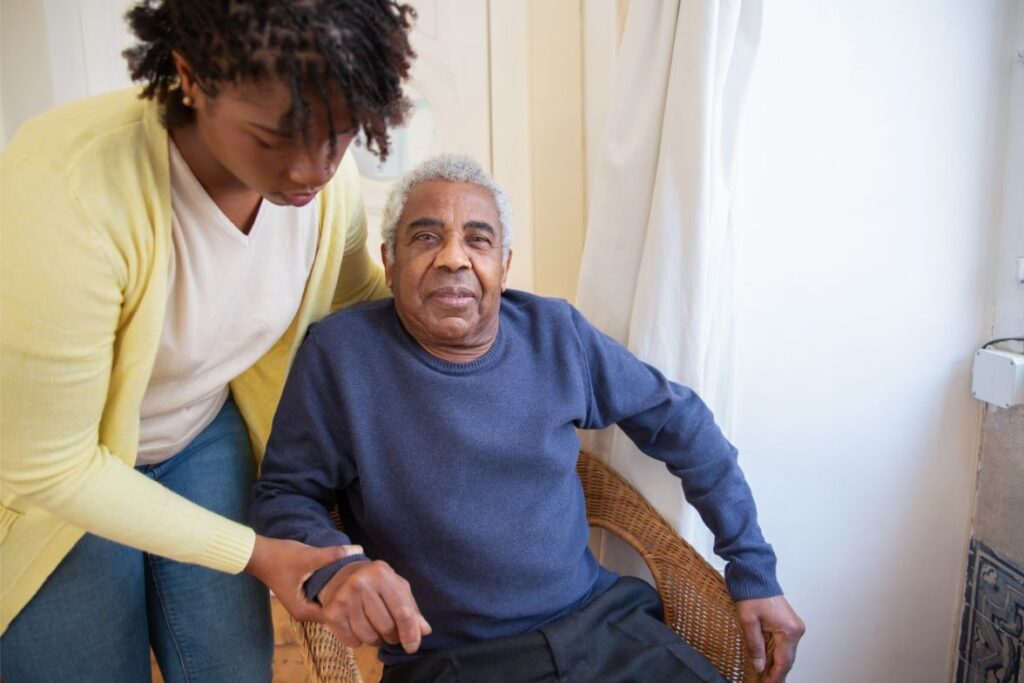
Caring for your father after a heart attack can feel overwhelming at first, but the daily steps you take to support his recovery make a significant difference. Heart attack recovery often happens in stages, and the pace is different for every person. What stays the same is the importance of a calm environment, safe routines, and steady support.
When you understand what his doctor recommends, create simple habits at home, and encourage your father to take things one day at a time, you help him regain strength and confidence. This guide will walk through practical ways to make his recovery smooth, comfortable, and reassuring.
Understand His Care Plan
The first step in helping your father recover is understanding his medical care plan. After a heart attack, doctors provide information about his medications, diet, activities, and warning signs. Keeping this information organized will make it easier to know what he needs each day. Set aside a folder or notebook where you can store discharge papers, medication lists, and notes from follow-up visits. This helps you stay prepared and gives you a quick reference when questions come up.
Medication instructions are especially important. Certain medications help the heart heal, prevent blood clots, or improve blood pressure. Make sure you understand the purpose of each medication, how often it should be taken, and any side effects to watch for. If you are unsure about anything, call the doctor’s office or pharmacist. They can clarify instructions so you feel confident managing his routine.
Your father’s doctor will also outline activities he should avoid. These may include heavy lifting, strenuous exercise, or high stress. Until his doctor says otherwise, take precautions that reduce physical strain. Encourage rest breaks and help him pace his day so he never feels rushed or overwhelmed. Understanding the care plan helps you prevent setbacks and allows you to respond quickly if something does not seem right.
Support Heart Healthy Lifestyle Changes
Lifestyle adjustments are a major part of recovery. While some changes might seem small, they build a stronger foundation for long-term heart health. Healthy eating is one of the most impactful changes. Focus on simple meals with vegetables, fruits, lean proteins, and whole grains. Reduce foods that are high in salt, sugar, or unhealthy fats. You do not need to prepare complicated dishes. Even simple meals like grilled chicken, steamed vegetables, or oatmeal can support his recovery.
Regular physical activity is also important, but only after his doctor approves it. Walking is often one of the first exercises recommended because it is gentle and easy to control. Start with short walks around the house or yard, then slowly add more time. Pay attention to how he feels. If he becomes dizzy, very tired, or short of breath, encourage him to rest.
Stress management is another key part of recovery. Heart attack survivors often experience worry, tension, or fear of another episode. Help your father create moments of calm throughout his day. Simple activities like reading, listening to music, or talking on the phone with a friend can ease tension.
Healthy lifestyle adjustments take time, so patience is important. Focus on small steps and positive progress. Each healthier meal, short walk, or restful moment is a success that moves him forward.
Help With Daily Activities
In the first weeks after returning home, your father may need extra help with everyday tasks. This support prevents strain on his heart and allows him to focus on healing. You might assist with dressing, bathing, grooming, or preparing meals. If he feels tired easily, help him break tasks into smaller steps.
Keeping the home environment safe is also important. Remove tripping hazards, keep walkways clear, and make sure commonly used items are within easy reach. If his bedroom or bathroom needs simple adjustments, make those changes early in his recovery. Placing grab bars, adding non-slip mats, or improving lighting can help prevent accidents.
Encourage your father to rest throughout the day. Recovery uses energy, and he may tire faster than expected. A comfortable chair, warm blanket, and quiet environment support healing and reduce stress. If he begins to feel stronger, allow him to slowly take back small tasks, but remind him that it is okay to accept help. Recovery is not a race, and pacing is essential.
Medication Management
Staying consistent with medication schedules is one of the most critical parts of heart attack recovery. Creating a simple system can make this easier for both of you. A pill box with labeled compartments can help organize each day’s medications. Set reminders on your phone or write a schedule and place it somewhere visible.
It is helpful to understand the purpose of each medication. Some control heart rhythm, others reduce blood pressure, and some support blood flow. Knowing what they do allows you to recognize possible side effects. If your father feels lightheaded, nauseous, or unusually weak, reach out to his doctor. Keeping track of side effects helps his medical team adjust medications if needed.
Be sure to refill prescriptions before they run out. Running out of heart medication can cause setbacks in his recovery. If transportation is difficult, many pharmacies offer delivery services, which can be convenient during the early recovery period.
Consistency builds stability. When medications are taken correctly, your father’s heart has the support it needs to heal and regain strength.
Emotional and Mental Support
Recovery is not only physical. A heart attack can affect your father’s emotions, confidence, and outlook. Many people feel anxious or discouraged during the early stages. Be patient and give him space to talk about his feelings if he wants to. Supportive conversations can make him feel understood and less alone.
Encourage small social interactions. A visit from a close friend or a quick call from a family member can lift his mood and remind him that people care about his progress. Light activities such as watching a favorite show or spending time outside can also boost his emotional health.
Create a peaceful home atmosphere by keeping noise low, reducing clutter, and encouraging slow, calm routines. A soothing environment supports both mental and physical healing. Your steady presence is one of the strongest sources of reassurance during this time.
Some families choose to bring in care services in home for extra support. Even a few hours a week can help relieve stress and provide companionship, which strengthens emotional recovery.
Watch for New Symptoms
One of your most important roles is observing changes in your father’s health. Know the warning signs that require immediate attention. These include chest pain, pressure, shortness of breath, severe fatigue, or sudden swelling. If he experiences these symptoms, call his doctor right away or seek emergency care.
Keep a list of emergency numbers near the phone, and make sure everyone in the home knows what to do if symptoms appear. Staying alert helps prevent complications and gives your father confidence that someone is watching out for him.
Encourage Gradual Independence
As your father gains strength, encourage him to take part in daily tasks again. The goal is progress, not perfection. Help him choose simple tasks that feel manageable. Folding laundry, preparing a small snack, or watering plants can help him feel capable and independent.
Motivation makes a big difference in recovery. Celebrate small steps like completing a longer walk or trying a new healthy meal. These moments build confidence and remind him that progress is happening every day.
Consider Outside Help
Every recovery journey is unique. Some families choose additional support from community groups or professionals. If your father needs more consistent help, resources from a senior home care business can offer assistance with meals, medication reminders, and companionship. Support services can reduce stress for both you and your father and ensure he receives consistent care.
You can also look into local recovery programs, cardiac rehabilitation groups, or educational workshops. These programs give him a place to learn, ask questions, and connect with others on the same path.
Healing Starts Here
Caring for your father after a heart attack is a meaningful responsibility. With understanding, steady routines, and patience, you help create an environment where he can heal and regain strength.
Recovery takes time, but each small step brings him closer to feeling confident and capable again. Your support, encouragement, and presence make all the difference in his recovery journey.
Other Articles You May Find of Interest...
- Understanding the Risks of High Cholesterol: What You Need to Know
- Deion Sanders Health Update 2026: Bladder Cancer, Blood Clots and Current Condition
- Understanding Cardiology: Your Complete Guide to Heart Health and Cardiovascular Care
- Type 2 Diabetes Isn’t a Life Sentence: Why Reversal Is Possible
- The Two-Way Relationship Between Gum Disease and Diabetes
- Decoding the Significance of an Abnormal EKG
- Essential Guide to Glipizide Dosage for Effective Diabetes Management




