




Your Health Magazine Contributor
4201 Northview Drive
Suite 102
Bowie, MD 20716
More Healthcare Administration Articles
How Preventive Healthcare Is Changing the Way Hospitals Manage Patient Care
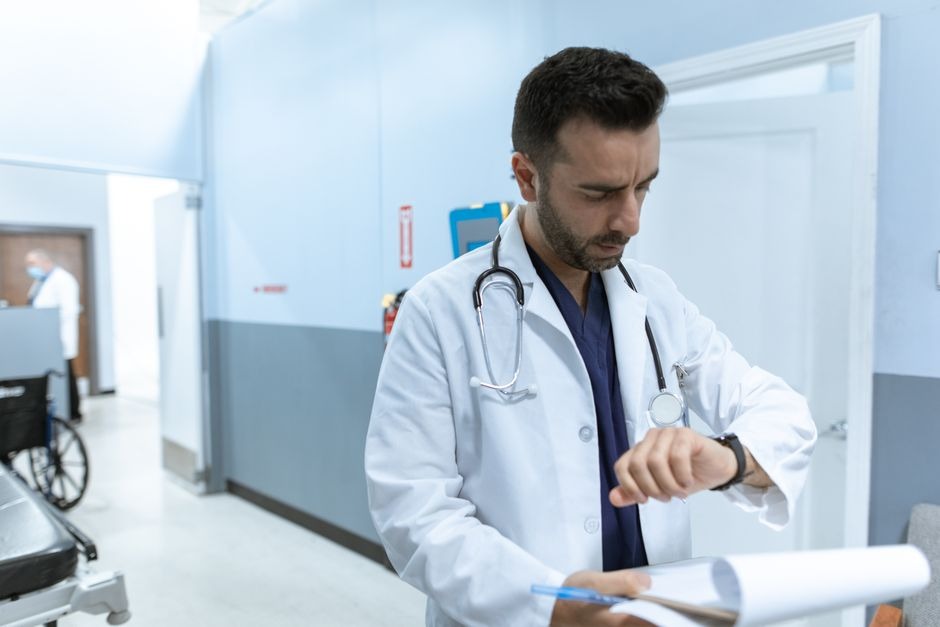
Hospitals have traditionally been associated with treating illnesses, managing emergencies, and helping patients recover from serious medical conditions. However, healthcare organizations are increasingly recognizing that improving patient health also means preventing avoidable complications before they require extensive treatment.
This shift toward preventive healthcare is changing how hospitals organize services, coordinate medical teams, and communicate with patients. Instead of focusing exclusively on immediate medical needs, healthcare providers are placing greater emphasis on early detection, patient education, and long-term disease management.
For hospital administrators, preventive care introduces new responsibilities that extend beyond traditional clinical operations. It requires thoughtful planning, effective resource allocation, and stronger coordination between healthcare professionals.
Healthcare Leadership Is Becoming More Focused on Prevention
Preventive healthcare requires hospitals to reconsider how they organize patient services. Rather than waiting until medical conditions become serious, healthcare leaders must develop systems that encourage early intervention and consistent patient monitoring.
This involves coordinating screening programs, improving appointment accessibility, and ensuring that patients receive appropriate follow-up care.
Hospital administrators play an important role in making these services effective. They help allocate resources, establish operational procedures, and evaluate whether preventive programs are meeting patient needs.
As these responsibilities become more complex, professionals interested in healthcare leadership may pursue a health care management online degree to develop knowledge of healthcare operations, quality improvement, organizational leadership, and patient safety.
These management skills can help healthcare organizations introduce preventive initiatives while maintaining efficient daily operations.
Successful prevention depends not only on medical expertise but also on administrators who can translate healthcare priorities into practical, coordinated services.
Routine Screenings Are Changing How Hospitals Identify Health Risks
Routine screenings allow healthcare professionals to identify certain medical conditions before noticeable symptoms develop.
Blood pressure measurements, cholesterol assessments, cancer screenings, and diabetes-related tests can provide valuable information about a patient’s health.
However, hospitals must do more than simply offer these services.
Administrators need to establish scheduling procedures, coordinate laboratory resources, and ensure that eligible patients understand when screenings are recommended.
Screening programs should follow established clinical guidelines, considering factors such as age, medical history, and individual risk.
Unnecessary testing can create additional complications, including false-positive results and avoidable follow-up procedures.
Effective healthcare management therefore involves balancing early detection with appropriate medical decision-making.
Hospitals must also establish reliable systems for communicating results and arranging further evaluation when necessary.
A screening program delivers meaningful benefits only when patients receive timely information and appropriate follow-up care.
Chronic Disease Management Is Moving Beyond Hospital Visits
Conditions such as diabetes, hypertension, and heart disease often require continuous attention rather than occasional treatment during hospital visits.
Preventive healthcare encourages hospitals to develop structured programs that help patients manage these conditions more consistently.
These programs may involve regular monitoring, medication reviews, nutritional guidance, and coordination with primary care providers.
For example, patients with hypertension may benefit from ongoing blood pressure monitoring and adjustments to their treatment plans.
Hospital administrators help organize these services by coordinating staff responsibilities, appointment systems, and communication between departments.
They may also evaluate whether chronic disease programs are improving patient participation and reducing preventable complications.
The objective is not to replace necessary medical treatment but to support patients between appointments.
By emphasizing consistent disease management, healthcare organizations can help patients recognize warning signs earlier and make informed decisions about their health.
Patient Education Is Becoming Part of Everyday Healthcare Delivery
Medical treatment is more effective when patients understand their conditions and know how to follow recommended care plans.
Preventive healthcare has increased the importance of patient education within hospitals and outpatient facilities.
Healthcare professionals may provide guidance about medication use, physical activity, nutrition, recommended screenings, and symptoms that require medical attention.
However, educational materials must be understandable and relevant to individual patients.
Complicated medical terminology, language barriers, and limited health literacy can make instructions difficult to follow.
Healthcare administrators can support education programs by developing communication standards, providing staff training, and improving access to translated materials.
Digital resources and follow-up consultations may also reinforce important information after appointments.
Patient education should encourage informed decision-making rather than overwhelm individuals with instructions.
When patients understand the purpose of preventive recommendations, they are better equipped to participate actively in managing their health.
Digital Health Tools Are Supporting Earlier Medical Intervention
Technology is expanding the ways hospitals monitor patient health and identify potential concerns.
Electronic health records can help healthcare teams review medical histories, track screening results, and coordinate treatment recommendations.
Remote monitoring devices may also provide useful information for selected patients managing chronic conditions.
For example, some individuals can record blood pressure or glucose measurements at home and share the results with their healthcare teams.
This information may help clinicians identify concerning changes between scheduled appointments.
However, technology requires careful implementation.
Hospital administrators must consider data security, staff training, equipment reliability, and patient accessibility.
Not every patient has the devices, internet access, or technical confidence needed to participate in digital monitoring programs.
Healthcare organizations must therefore provide alternatives that prevent technology from creating additional barriers.
Digital tools are most valuable when they strengthen clinical decision-making and improve communication rather than complicating existing workflows.
Community Partnerships Are Extending Preventive Care Beyond Hospitals
Many factors influencing health exist outside medical facilities.
Access to nutritious food, transportation, safe housing, and community resources can affect whether individuals receive preventive services.
Hospitals increasingly recognize the importance of working with organizations that address these broader needs.
Partnerships with community clinics, public health departments, schools, and nonprofit organizations can help connect patients with relevant services.
For example, community screening events may improve access for individuals who rarely visit healthcare facilities.
Educational workshops can also provide information about managing common health risks.
Healthcare administrators help establish these partnerships, coordinate responsibilities, and evaluate program effectiveness.
Successful collaboration requires clear communication and realistic expectations about what each organization can provide.
By extending preventive initiatives into surrounding communities, hospitals can reach individuals who might otherwise miss opportunities for early care.
Preventive Care Is Changing How Hospitals Measure Success
Traditional hospital performance measures often focus on treatment outcomes, operational efficiency, and patient satisfaction.
Preventive healthcare introduces additional considerations.
Administrators may examine screening participation, follow-up appointment completion, chronic disease monitoring, and avoidable hospital readmissions.
These indicators can help organizations understand whether preventive services are reaching patients effectively.
However, performance measurements require careful interpretation.
A reduction in hospital admissions, for example, may reflect several influences beyond a particular prevention program.
Hospitals must also consider differences in patient populations, underlying medical conditions, and access to healthcare.
Accurate data collection and thoughtful evaluation help administrators identify areas requiring improvement.
Rather than measuring success solely through the number of services delivered, healthcare organizations can examine whether their programs support meaningful improvements in patient care.
The Future of Hospital Management Will Require More Coordinated Care
As preventive healthcare becomes more integrated into hospital operations, coordination between clinical and administrative teams will remain essential.
Physicians, nurses, pharmacists, care coordinators, and administrators all contribute to effective preventive services.
Hospitals must create systems that allow these professionals to share relevant information and respond to patient needs without unnecessary delays.
Workforce planning, staff development, and efficient communication procedures will become increasingly important.
Healthcare leaders must also ensure that prevention programs remain accessible to patients with different financial, geographic, and personal circumstances.
Preventive care cannot eliminate every illness or emergency, but it can help healthcare organizations identify certain risks earlier and support healthier long-term outcomes.
Ultimately, the growing emphasis on prevention reflects a broader understanding of effective healthcare. Hospitals are not simply places where people receive treatment when something goes wrong. They can also play an important role in helping individuals maintain their health, manage existing conditions, and avoid preventable complications.
Other Articles You May Find of Interest...
- How Preventive Healthcare Is Changing the Way Hospitals Manage Patient Care
- How Healthcare Organizations Can Choose a Data Analytics Company in 2026
- How Credentialing Gaps Turn Into Unpaid Claims in Mental Health Practices
- Acute vs Subacute Rehab: Financial Evaluation Guide for Family Caregivers
- The Financial Challenges of Running an Independent Healthcare Practice
- How Pharmacies Handle Prescription Calls Without Long Holds
- Managing Sports Physical Forms: A Practical Guide to Better Health Documentation





