More Health & Wellness Tips Articles
How the 20/40 Vision Test Can Impact Your Eye Health
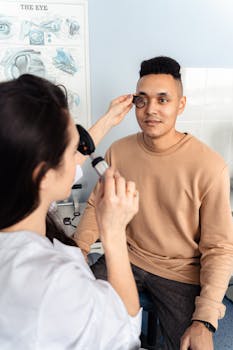
Your vision is a crucial part of your overall health, and understanding the 20/40 vision test can play a significant role in maintaining eye wellness. The term 20/40 refers to a specific visual acuity measurement that can impact your daily activities and determine whether you need corrective lenses. This article explores what 20/40 vision means, how it can affect your life, and the steps you can take to ensure your eyes remain healthy.
Understanding the 20/40 Vision Test
The 20/40 vision test is a standard tool used in eye exams to evaluate your ability to see objects at a distance. In a 20/40 visual acuity measurement, a person with normal vision can see clearly at 40 feet what you can only see clearly at 20 feet. This indicates that your eyesight is below the average range, often necessitating corrective measures like glasses or contact lenses.
While a 20/40 vision is not considered legally blind, it can affect daily tasks such as driving or reading street signs. Understanding your vision status can help you manage your visual aid needs effectively. For more insights on maintaining health through tasks and environments like exercising, you may find this article on home gym workouts beneficial.
Impacts of 20/40 Vision on Daily Life
Living with 20/40 vision can have varying impacts depending on your lifestyle. For many, losing the sharpness in vision might mean increased difficulty in performing tasks that require seeing details from a distance. This can range from navigating social environments to impacting professional requirements that depend on visual accuracy.
Additionally, while you might cope with moderate vision issues in non-demanding environments, activities like night driving can become hazardous without corrective lenses. Ensuring that your vision aids are up-to-date is crucial for safety and efficiency in everyday scenarios.
Common Causes and Risk Factors
Several factors can contribute to developing or maintaining a 20/40 vision, including genetics, age-related wear, and conditions like astigmatism or myopia. Regular eye exams can help track changes in your vision and guide treatment options. Protecting your eyes from excessive strain, harmful UV rays, and maintaining a healthy lifestyle can also support your visual health.
When to Seek Professional Advice
If you notice changes in your vision clarity, even if you maintain a 20/40 level, it is advisable to consult with an eye care professional. They can perform comprehensive tests to assess any underlying conditions and recommend the best corrective strategy suited to your specific needs. Early detection of vision problems can prevent more severe complications and preserve your quality of life.
For more detailed insights on vision health and professional guidelines, you can explore the topic further via credible sources like these general wellness resources.
Maintaining Healthy Vision
A healthy lifestyle can positively influence your eye health. A diet rich in fruits, vegetables, and omega-3 fatty acids can support eye function. Regular physical activity and protective eyewear can also mitigate risks associated with vision deterioration. Comprehensive eye exams should be part of your routine healthcare to monitor your visual acuity and adjust for changes, like moving from a 20/40 vision, effectively.
Conclusion
Understanding how your vision measurements, such as a 20/40 rating, impact your daily life is key to taking proactive steps in maintaining eye health. By recognizing the importance of regular eye check-ups and adopting lifestyle choices that support optical wellness, you can enhance your quality of life. Always remember, your vision should remain a top health priority, alongside other wellness facets.
- 20/40 vision means seeing at 20 feet what others see at 40.
- Affects driving, reading, and daily activities.
- Corrective lenses can enhance vision quality.
- Regular eye exams help monitor and maintain vision health.
- Healthy lifestyle choices support eye health.
Is 20/40 vision considered bad?
20/40 vision indicates below average visual acuity, but it is not considered legally blind. It may require corrective lenses for safety and efficiency in daily activities.
Can 20/40 vision improve naturally?
Vision can sometimes improve with lifestyle changes, but it’s important to consult with an eye care professional for tailored advice and necessary corrective measures.
What lifestyle factors influence eye health?
A balanced diet, reduced screen time, regular physical activity, and protection from UV rays are lifestyle factors that can positively influence eye health.
How often should I have an eye exam if I have 20/40 vision?
It’s recommended to have an eye exam at least once a year or as directed by your eye care provider to monitor changes and adjust prescriptions as needed.
Are there long-term solutions for 20/40 vision?
Besides glasses and contact lenses, options like laser eye surgery may be considered, although suitability and benefits should be discussed with a professional.
Other Articles You May Find of Interest...
- Healthy Activities Outdoors: The Benefits of Water Activities for a Healthy Lifestyle
- The Treatment That Uses Water and Current: Can Iontophoresis Finally Help Sweaty Hands?
- What 116,382 Tennis Matches Say About Momentum After a Setback
- How to Recognize the Early Warning Signs of Kidney Disease
- Can Athletes Use Nose Strips During Exercise and Recovery?
- How to Find a Better Time for Your Next Walk Outside
- Enjoying Screens Without Losing Yourself to Them