More Health & Wellness Tips Articles
Essential O Blood Type Facts You Should Know
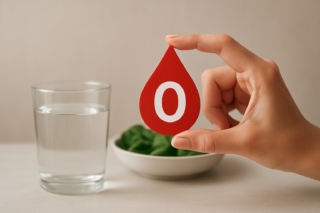
Many people aren’t aware of the “O” blood type’s specific characteristics, even though it’s the most common blood type worldwide. This article delves into essential O blood type facts, which can help you gain a better understanding of its unique traits and potential health implications. From the universal donor status to potential health benefits, type O blood carries fascinating features that are worth exploring.
O Blood Type Facts You Should Know
Blood type O is considered the universal donor type, meaning that individuals with type O negative can donate blood to nearly anyone, regardless of the recipient’s blood type. This unique trait stems from the lack of antigens on the surface of O red blood cells, preventing adverse reactions in most recipients. However, those with type O negative blood can only receive from other O negative donors.
Interestingly, some studies suggest that O blood types may have certain resistance to severe malaria. Scientists are still investigating this link to understand how it might influence disease prevention and treatment worldwide. Additionally, people with O blood type could have a slightly reduced risk of pancreatic cancer, but research is ongoing, and individual results can vary.
Understanding Your Blood Type’s Impact on Health
Your blood type may influence certain health conditions and dietary needs. For instance, type O individuals might be predisposed to stomach ulcers due to higher acid levels in the stomach. Some research also indicates a connection between blood type and diabetes risk, although more studies are needed for confirmation.
Other health conditions might not be directly linked to blood type O but are common concerns nonetheless. For example, those with O-negative blood should be aware of iron overload disorders such as hemochromatosis, which can affect individuals across different blood types. Consider checking out more on recognizing the signs and symptoms of hemochromatosis if you carry type O blood.
When to Seek Care
If you frequently donate blood or feel unusually fatigued, it might be worth discussing your blood type with a healthcare provider. A primary care physician or a hematologist can assist with understanding any potential risks associated with type O blood. If you experience symptoms like severe stomach pain, frequent infections, or unusual bruising, immediate medical evaluation is recommended.
Practical Considerations for Everyday Life
Knowing your blood type can be helpful in emergencies, as it guides healthcare providers in providing the right treatment. Moreover, being informed about your type can assist in dietary choices and understanding family planning. While blood type cannot dictate your whole lifestyle, small adjustments and informed decisions can enhance your overall wellbeing.
It’s also essential to talk with a healthcare provider if you have concerns or questions about blood donations or specific health risks linked to blood type O. Providers can offer guidance tailored to your individual needs and help you make the most informed decisions about your health.
Understanding Blood Type Compatibility
Blood type compatibility becomes crucial during blood transfusions and organ transplants. As the universal donor, O negative can donate to any other blood type in emergencies. However, during normal scenarios, blood type O should only receive type O blood to avoid complications. It’s always best to confirm compatibility with a medical professional to ensure safe and effective treatment.
Common Questions
Can blood type O impact my diet?
Some believe blood type influences dietary needs, but there’s limited scientific backing for blood-type specific diets. It’s always best to follow balanced nutritional guidelines and consult with a nutritionist for personalized advice.
What should I do if my blood type is O negative?
If you have O negative blood, consider your potential eligibility as a universal donor. Regular health checkups can ensure you manage any risks associated with blood type, such as iron deficiency or overload. Keep communication open with your healthcare team about any concerns.
When should someone with O blood type see a doctor?
If you experience symptoms such as chronic fatigue, unexpected weight loss, or frequent infections, seeing a healthcare provider promptly is advisable. A general practitioner or hematologist can offer detailed insights into whether these symptoms are linked to your O blood type.
Are there specific health risks associated with the O blood type?
While linked with certain conditions like ulcers, being informed about your blood type mainly helps in emergencies and medical procedures. Discuss any specific risks with your healthcare provider to determine if you require special monitoring or lifestyle adjustments.
Can donating blood regularly affect my health?
Regular blood donors should ensure they maintain adequate iron levels and stay hydrated. It’s safe for most individuals, but discussing your donation frequency with a healthcare provider can prevent any adverse effects and ensure your health is not compromised.
- O negative is the universal blood donor type, critical in emergencies.
- Some correlations between blood type O and certain health conditions exist.
- Consult a healthcare provider for personalized advice related to your blood type.
- Your blood type knowledge is valuable for family planning and emergencies.
- Stay informed about potential health implications linked to your blood type.
For further information on health topics related to blood types and more, consider exploring resources available on trusted health information platforms.
Remember, being knowledgeable about O blood type facts not only aids in personal health management but equips you with crucial information needed during emergencies.
Other Articles You May Find of Interest...
- Healthy Activities Outdoors: The Benefits of Water Activities for a Healthy Lifestyle
- The Treatment That Uses Water and Current: Can Iontophoresis Finally Help Sweaty Hands?
- What 116,382 Tennis Matches Say About Momentum After a Setback
- How to Recognize the Early Warning Signs of Kidney Disease
- Can Athletes Use Nose Strips During Exercise and Recovery?
- How to Find a Better Time for Your Next Walk Outside
- Enjoying Screens Without Losing Yourself to Them