






More Health & Wellness Tips Articles
Small Moves Count: Making Active Transportation Part of a Busy Day
When people think about building a more active lifestyle, they often picture gym sessions, workout plans, fitness classes, or a dedicated block of time set aside for exercise. Real life rarely works that neatly. School, work, errands, social plans, and last-minute responsibilities can break the day into small pieces. By the time the evening arrives, many people realize they have spent most of the day sitting, driving, waiting, or moving from one indoor space to another.
Daily movement does not always have to come from formal exercise. Walking to pick up coffee, riding to a nearby store, choosing a more active way to handle a short trip, or turning a routine errand into a few minutes of outdoor movement can all help make the day feel less static. These small choices are not dramatic, but they are often easier to repeat.
That is why active transportation is worth a closer look. It is not about turning every commute into a workout. It is about taking trips that already need to happen and making them a little more active, more flexible, and more connected to daily life. For people with busy schedules, short local routes, and a desire to rely less on cars for every small outing, an ebike can make that shift easier to keep up.
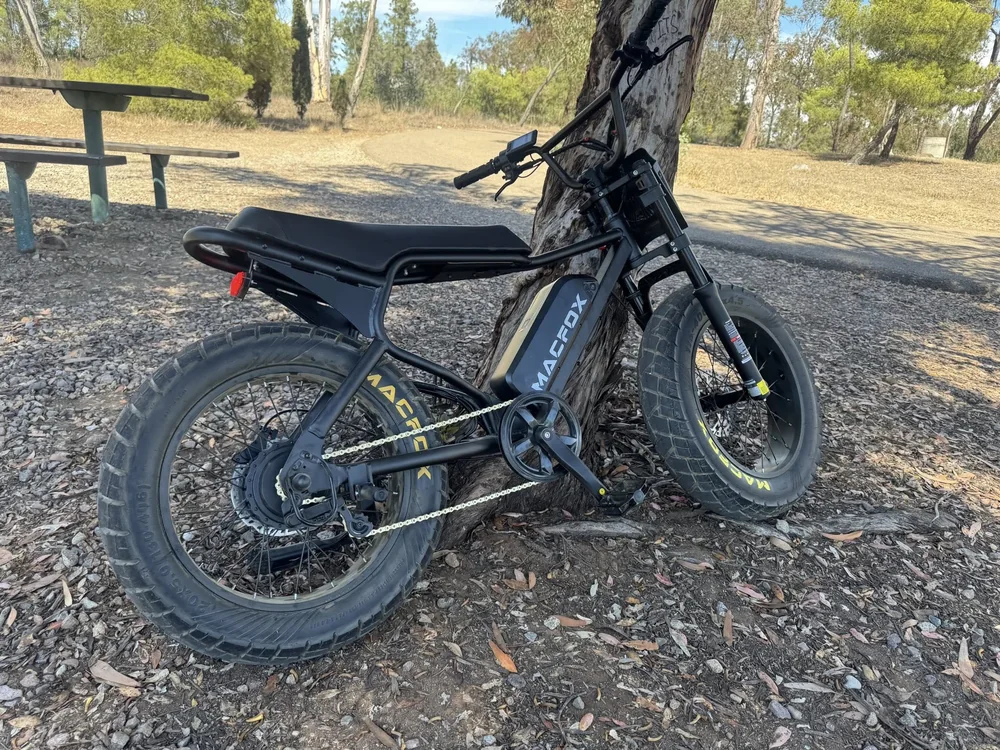
Daily Movement Does Not Have to Feel Like Exercise
Structured exercise has its place, but it is not the only way to move more during the day. For many people, the word “exercise” can feel like a full task. It sounds like changing clothes, finding a gym, setting aside time, tracking effort, and meeting a certain standard. The heavier it feels, the easier it becomes to postpone.
Everyday movement feels different because it fits into things people are already doing. If you are already going to class, work, a coffee shop, a market, a library, a park, or a nearby appointment, one part of that trip may be a chance to move instead of sit. You are not adding a separate fitness routine. You are simply changing the way you get somewhere.
That matters because habits are more likely to stick when they feel realistic. A short ride across town, a walk between stops, or a bike trip to a familiar place may not look impressive, but it creates a different rhythm for the day. The body is no longer just being carried from one place to another. It is involved in the process.
For people with packed schedules, this kind of light activity can feel much more approachable than a formal workout plan. It does not interrupt the day or require a major reset. It simply gives the spaces between responsibilities a little more movement, air, and intention.
Why Short Local Trips Deserve More Attention
One of the easiest things to overlook in modern routines is how many short trips have become completely passive. A place may be close enough to reach without a car, but driving still feels automatic. A route may be familiar, but if the weather is warm or time feels tight, it can seem easier to call a ride. Over time, those choices remove many small opportunities for movement.
Short trips may seem minor, but they add up because they happen so often. A coffee run, a quick stop at the store, a ride to a campus building, a trip to a local field, or a visit to a nearby friend can become part of a weekly pattern. If every one of those trips is handled while sitting, the body has very little chance to shift out of stillness.
The goal is not to turn every errand into a physical challenge. The goal is to notice which routes are already good candidates for a more active option.
Good candidates often include:
- Places that feel a little too far to walk but close enough for a short ride
- Familiar streets with calmer traffic or bike-friendly paths
- Errands that do not require carrying too much
- Trips where parking, waiting, or detours make driving feel inefficient
- Open pockets of time when a little movement would feel better than another seated trip
These are ordinary routes, but that is exactly why they matter. A sustainable lifestyle habit is rarely built from the most intense option. It is usually built from the choice that is easy enough to make again.
How an Ebike Lowers the Barrier to Active Transportation
A regular bicycle can be useful for many short trips, but it does not fit every day equally well. Hills, wind, heavy bags, hot weather, tight schedules, and low energy can make a simple ride feel like more effort than expected. When cycling starts to feel like it will be too tiring, too sweaty, or too slow, it becomes harder to choose regularly.
An ebike helps by lowering those practical barriers. It does not remove the rider from the experience. The rider still needs to pay attention, steer, brake, balance, follow local rules, and make smart decisions on the road. What changes is the amount of strain involved in getting started, climbing hills, keeping momentum, or covering a slightly longer route.
That support can be especially useful during a busy day. In the morning, a rider may want to arrive without feeling drained. In the afternoon, there may still be classes, work, errands, or social plans ahead. On a quick local trip, the rider may simply want an option that does not involve finding parking or sitting in traffic.
The value is not in making big promises. It is in making the decision simpler: this trip is close enough, manageable enough, and practical enough to do actively. Once that feels true, active transportation becomes easier to repeat.
Where a Commuter Electric Bike Fits Best
When active transportation becomes part of daily life, route choice matters more than speed. A commuter electric bike is usually most useful on routes that feel consistent, manageable, and easy to repeat. The best fit is not a stressful road with heavy traffic and constant decision-making. It is a route where the rider can stay aware, stay comfortable, and feel in control.
That may include a regular ride to school or work if the route has bike lanes, neighborhood streets, slower traffic, or familiar crossings. It may also include trips to a coffee shop, gym, sports field, library, grocery store, campus area, or a nearby place to meet friends. These are the kinds of trips that often sit in the middle: too far to walk comfortably, but not always worth a full car trip.
Low-pressure routes tend to share a few qualities. The distance is reasonable. The road environment is familiar. The rider knows where to slow down, where visibility is limited, and where turns or crossings require extra attention. Parking or locking the bike is simple. The weather and timing also make sense.
These details may sound basic, but they are what turn an idea into a habit. If a route feels stressful, inconvenient, or unpredictable, most people will not choose it often. If it feels natural and easy to repeat, it can become part of the week without much thought.
What to Consider Before Making Riding Part of the Routine
Making riding part of daily movement does not mean ignoring safety, comfort, or personal limits. In fact, the more often a route becomes part of the routine, the more important the basics become.
Start with the route. Do not judge it only by distance on a map. Look at the actual riding environment. Are there bike lanes or quieter streets? Are the intersections simple or busy? How fast is traffic moving? Is the route well lit if you ride early or late? Does the path change during peak hours? A slightly longer but calmer route may be a better daily choice than the shortest possible path.
Then think about gear. A helmet, front and rear lights, reflective details, a sturdy lock, and basic maintenance checks matter more than chasing a perfect look. Clothing and shoes do not need to be technical, but they should make it easy to pedal, brake, turn, and step down safely.
Pace matters too. Light activity should not feel like forcing yourself through uncomfortable conditions. If the weather is poor, the route feels unsafe, or your body does not feel ready for the ride, choosing another option is reasonable. A sustainable habit should leave room for flexibility.
If you have health concerns or are unsure whether a certain level of activity is right for you, it is best to speak with a qualified health professional. For everyday active transportation, the goal can stay simple: move a little more, sit a little less, and choose routes that feel realistic for your life.
How to Make Active Transportation a Habit
Habits rarely come from one big decision. They usually come from repeated choices that feel easy enough to make again. If you want active transportation to become part of daily life, start with the route that has the lowest friction.
Pick one ride that feels manageable. It might be a weekend errand, a trip to a familiar store, a short ride to meet a friend, or a route you already know well. The first goal is not speed or distance. It is simply to learn how the route feels. Where do you slow down? Where would you lock the bike? Does the return trip still feel comfortable?
Once one route feels natural, make it part of a small rhythm. Instead of trying to replace every trip at once, choose one or two outings each week where riding becomes the default. The easier the starting point, the more likely the habit is to last.
Preparation also helps. Keep the bike easy to access. Charge the battery before you need it. Make sure the lights and lock are ready. Keep your usual bag or essentials in a predictable place. Many good habits fail not because people reject them, but because the first step feels annoying.
Most importantly, do not make active transportation feel overly serious. It can be a ride to get coffee, a quiet route after class, a quick errand, a trip across town, or a way to spend more time outside on the weekend. If it helps the day include less sitting and more movement, it already has value.
A more active lifestyle does not always require a major change. Sometimes it starts with one better route, one easier ride, and one choice that fits naturally into the day. For people who want daily life to feel a little more mobile and less dependent on sitting through every short trip, an ebike can make active transportation easier to choose again and again.
Other Articles You May Find of Interest...
- Healthy Activities Outdoors: The Benefits of Water Activities for a Healthy Lifestyle
- The Treatment That Uses Water and Current: Can Iontophoresis Finally Help Sweaty Hands?
- What 116,382 Tennis Matches Say About Momentum After a Setback
- How to Recognize the Early Warning Signs of Kidney Disease
- Can Athletes Use Nose Strips During Exercise and Recovery?
- How to Find a Better Time for Your Next Walk Outside
- Enjoying Screens Without Losing Yourself to Them




