






More Health & Wellness Tips Articles
Building a College Application Plan Without Sacrificing Student Wellbeing
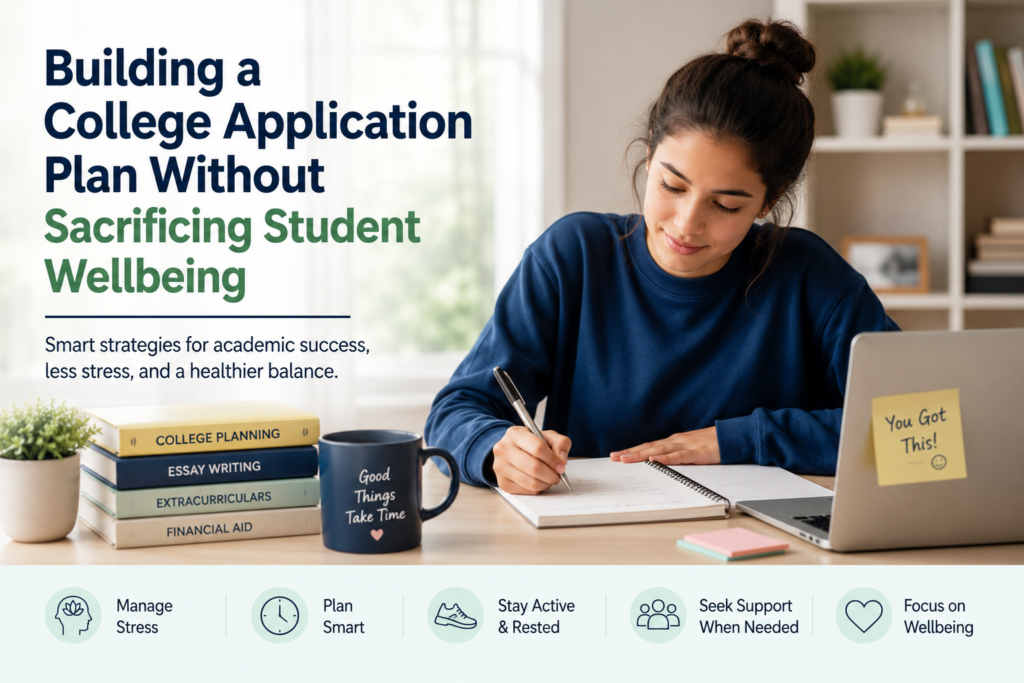
Preparing for college is an important milestone, but for many students and families, it can also become a source of stress. Between grades, extracurricular activities, essays, recommendation letters, testing, interviews, and deadlines, the process can quickly feel overwhelming. Students who are ambitious often want to do everything right, but doing more is not always the same as doing better.
A strong college application plan should help students grow with confidence, not leave them exhausted. When families approach the process with balance, structure, and realistic expectations, students can work toward their goals while still protecting their mental, emotional, and physical wellbeing.
Why College Planning Can Affect Student Wellbeing
College admissions can place a lot of pressure on teenagers. Many students feel they are being measured by every grade, every test score, and every activity. This pressure may lead to anxiety, poor sleep, burnout, or a constant fear of falling behind.
Some students also compare themselves to classmates, online success stories, or older siblings. They may believe they need a perfect application to have a successful future. In reality, college planning should be about fit, growth, and readiness. A healthy plan helps students understand their strengths, improve where needed, and make informed decisions about their next steps.
Parents, teachers, and mentors can help by reminding students that college admissions is only one part of life. It matters, but it should not come at the cost of health, confidence, or happiness.
Start With a Realistic Academic Plan
Academics are an important part of college applications, but students do not need to overload themselves to prove they are serious. A realistic academic plan should challenge the student while still allowing time for rest, activities, and personal life.
Students should choose courses that match their ability, interests, and long-term goals. Taking advanced classes can be helpful, especially when they connect to a student’s intended field of study. However, taking too many difficult courses at once can lead to stress and lower performance.
A better approach is to build steady academic strength. Students should focus on learning deeply, asking for help early, and developing strong study habits. Consistency often matters more than short bursts of intense effort. When students feel in control of their workload, they are more likely to stay motivated and perform well.
Prepare for Competitive Colleges Without Creating Constant Pressure
Students aiming for highly selective colleges may need a more detailed plan, but that plan should still be healthy and manageable. Competitive admissions often look beyond grades. Colleges may consider leadership, intellectual curiosity, community involvement, essays, recommendations, and how clearly the student communicates their story.
Families sometimes assume that the answer is to add more activities, more tutoring, and more pressure. But a crowded schedule can make a student’s application feel scattered. Instead, students should focus on a few meaningful areas where they can show real commitment and growth.
For students targeting top universities, support from Ivy League college consultants may help families understand how to build a focused strategy without turning the process into a daily source of stress.
Choose Extracurriculars With Purpose
Extracurricular activities should not simply be used to fill space on an application. They should reflect what the student cares about, how they spend their time, and the kind of impact they want to make.
A student interested in healthcare might volunteer, join a science club, pursue research, or support a community health project. A student interested in writing might contribute to a school newspaper, start a blog, enter competitions, or mentor younger students. The activity itself matters less than the student’s level of involvement and growth.
Families should encourage students to choose activities they can sustain. It is better to be deeply involved in two or three meaningful activities than to join many clubs without real participation. Purposeful involvement helps students feel more connected and less overwhelmed.
Make Time for Sleep, Exercise, and Recovery
Student wellbeing is not separate from academic success. Sleep, movement, nutrition, and downtime all affect focus, memory, mood, and energy. When students are constantly tired, they may struggle to study effectively or enjoy the activities they once cared about.
A healthy college plan should include recovery time. This could mean keeping one evening lighter during the week, setting limits on late-night studying, or taking short breaks during long work sessions. Exercise does not need to be intense; even walking, stretching, or playing a sport casually can help reduce stress.
Students should also have time away from application-related tasks. Hobbies, friendships, and family time are not distractions. They are part of a balanced life.
How Parents Can Support Without Taking Over
Parents play an important role in the college planning process, but support should not turn into control. When parents manage every detail, students may become dependent or feel that the process is not truly theirs.
Helpful support includes creating a calm home environment, reminding students about deadlines, encouraging healthy routines, and listening without judgment. Parents can ask questions such as, “What feels most stressful right now?” or “How can we make this week more manageable?”
It is also important for families to talk openly about expectations. Students should know that their worth is not defined by one acceptance letter. When parents focus on effort, growth, and fit, students are more likely to approach the process with confidence.
Know When Outside Guidance May Help
Some families feel comfortable managing the college process on their own. Others may need help understanding timelines, school lists, essays, interviews, or application strategy. When the process starts to feel confusing or emotionally heavy, outside guidance can provide structure.
Working with a college admissions counselor may help students organize tasks, understand their options, and reduce last-minute pressure. Good guidance should not push students into unrealistic goals. Instead, it should help them make thoughtful decisions based on their strengths, interests, and wellbeing.
The goal is not to remove all stress. Some stress is normal during major life transitions. The goal is to keep stress manageable and prevent it from taking over the student’s life.
Final Thoughts
Building a college application plan does not have to mean sacrificing student wellbeing. A strong plan should include academic preparation, meaningful activities, clear timelines, family support, and healthy routines.
Students perform best when they feel supported, rested, and connected to their goals. College admissions is important, but it should help students prepare for the future, not make them feel burned out before they get there.
With the right balance, families can turn the college planning process into a positive experience. The best outcome is not just an acceptance letter. It is a student who feels ready, confident, and healthy enough to take the next step.
Other Articles You May Find of Interest...
- Healthy Activities Outdoors: The Benefits of Water Activities for a Healthy Lifestyle
- The Treatment That Uses Water and Current: Can Iontophoresis Finally Help Sweaty Hands?
- What 116,382 Tennis Matches Say About Momentum After a Setback
- How to Recognize the Early Warning Signs of Kidney Disease
- Can Athletes Use Nose Strips During Exercise and Recovery?
- How to Find a Better Time for Your Next Walk Outside
- Enjoying Screens Without Losing Yourself to Them





