More Health Technology Articles
Smart Health Habits: Using Technology to Support a Healthier Lifestyle
Living a healthier life has never been easier or more complicated.
On one hand, we have access to more health information than ever before. Fitness programs, nutrition plans, telehealth services, wearable devices, and wellness apps are available at our fingertips. On the other hand, the sheer volume of information can be overwhelming. Many people know they should eat better, move more, sleep longer, and manage stress, yet struggle to turn those goals into consistent habits.
The good news is that modern technology can make healthy living more manageable when used intentionally.
Building Healthy Habits One Step at a Time
Health experts consistently emphasize that long-term wellness is built on a few foundational habits:
- Regular physical activity
- Balanced nutrition
- Quality sleep
- Stress management
- Preventive healthcare
While these recommendations may sound simple, consistency is often the challenge. That’s where digital tools can help bridge the gap between intention and action.
Today, many people use fitness trackers, smartwatches, and wellness apps to monitor activity levels, sleep quality, heart rate trends, and exercise routines. These tools can provide accountability and help users recognize patterns that may otherwise go unnoticed.
For example, a person trying to improve cardiovascular health may discover they are consistently falling short of daily movement goals. Others may realize that poor sleep is affecting their energy levels, mood, and recovery.
The ability to track progress often makes healthy habits feel more achievable.
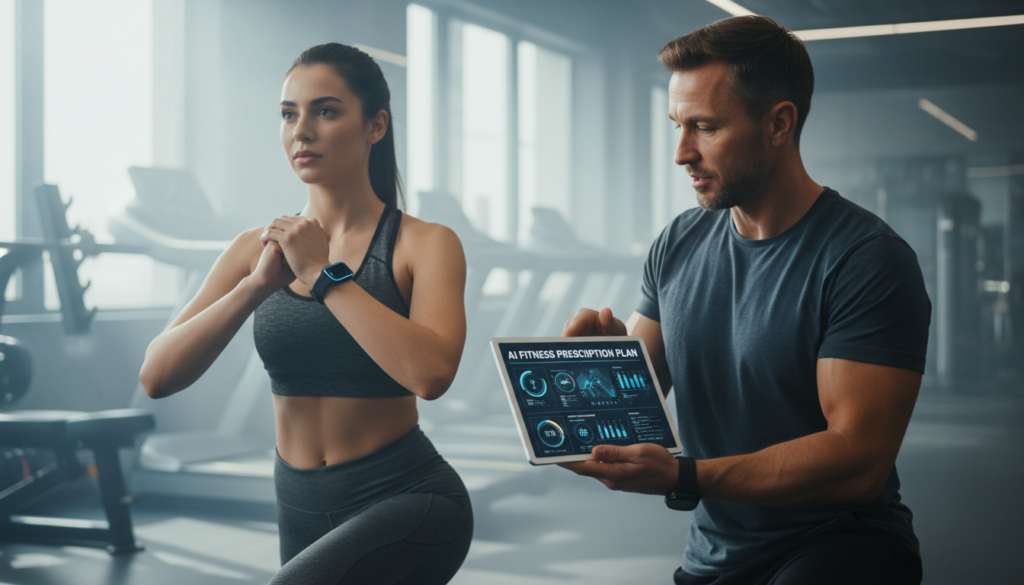
Image source: Quillbot’s AI Image Generator
Helpful Digital Tools for Everyday Wellness
Several categories of health-focused applications have become increasingly popular:
Fitness Tracking Apps
Fitness applications can help users monitor workouts, track daily steps, set activity goals, and measure progress over time. Many integrate with wearable devices to provide insights into movement, recovery, and overall fitness.
Nutrition and Meal Planning Tools
Healthy eating often begins with awareness. Nutrition apps can help users understand calorie intake, track nutrients, plan meals, and build healthier eating habits without resorting to extreme diets.
Medication and Health Reminder Apps
Many individuals manage multiple medications, supplements, or treatment plans. Reminder applications can help users stay on schedule and reduce the likelihood of missed doses.
Telehealth and Medicine Delivery Services
The growth of telehealth has made healthcare more accessible for many patients. Virtual consultations, prescription management, and medicine delivery services can reduce barriers to receiving care, particularly for individuals with mobility limitations or busy schedules.
Understanding Health Information Matters Too
One often-overlooked aspect of wellness is health literacy, or as you can call it, the ability to understand and apply medical information.
Many patients leave healthcare appointments with instructions, treatment plans, educational materials, or medication guidance that can feel difficult to interpret later. Even when doctors provide clear explanations, it is natural to forget details once you return home.
Confusion about treatment instructions can create unnecessary stress and uncertainty.
A proactive approach involves reviewing information carefully and seeking clarification when needed.
Using AI to Better Understand Health Information
Artificial intelligence is increasingly being used to help people process information more efficiently.
For example, tools such as AI Chat can help users rephrase or simplify complex medical explanations into easier-to-understand language. This can be useful when reviewing educational materials, preparing questions for healthcare providers, or organizing notes from appointments.
Similarly, if a healthcare provider shares a document, treatment guide, discharge summary, or patient information sheet, tools such as Chat PDF allow users to ask questions about the document and quickly locate relevant information within it.
For example, a user might ask:
- What follow-up steps are mentioned in this document?
- Which sections discuss medication instructions?
- What lifestyle recommendations are included?
These tools should be viewed as educational aids designed to improve understanding—not as substitutes for professional medical advice, diagnosis, or treatment.
Wellness Is More Than Physical Health
A healthy lifestyle is not limited to exercise and nutrition. Emotional well-being plays an equally important role.
Research has shown that chronic stress can affect sleep quality, immune function, heart health, and overall quality of life. Activities such as mindfulness, meditation, spending time outdoors, social connection, and regular physical activity can all contribute to better emotional wellness. Consistent lifestyle choices have a significant impact on long-term health outcomes.
Technology can support these goals, but it works best when paired with healthy habits rather than replacing them.
The Bottom Line
Good health is rarely the result of one major change. More often, it is the outcome of small, consistent decisions made over time.
Whether it’s tracking physical activity, scheduling medication reminders, accessing healthcare virtually, or using digital tools to better understand health information, technology can help simplify the journey toward better wellness.
The most effective approach combines healthy habits, informed decision-making, and trusted medical guidance while creating a foundation for a healthier and more confident future.
Other Articles You May Find of Interest...
- The Real Cost of an EHR: 6 Costs Beyond the License
- 5 Managed PACS Support Companies for Hospitals and Imaging Centres
- 5 QR Code Generators for Hospitals, Clinics, and Health Information
- 5 FHIR Software Development Companies to Consider in 2026
- Pulsed Field Ablation Is Shaking Up the World of EP Therapy
- Armin Ernst: What AI Actually Changes in Healthcare Delivery
- AI Can Fix Prior Authorization, but Only With Humans in the Loop