






Your Health Magazine Contributor
4201 Northview Drive
Suite 102
Bowie, MD 20716
More Health Technology Articles
Hyperbaric Oxygen Therapy and Recovery: What Consumers Should Know About HBOT
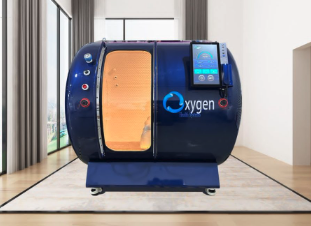
As the modern wellness movement has gained momentum, treatments once reserved for use in clinical settings have become more easily accessible to consumers. But accessibility doesn’t always translate to effectiveness. To fully understand potential outcomes, consumers must look past marketing copy and explore the science behind the therapy and the reliability of the health technology involved.
Hyperbaric Oxygen Therapy (HBOT) is one example of a treatment that is now available in a wider range of settings, including some home-use systems. But experts say there are a number of things consumers must consider if HBOT and the hyperbaric chambers used to facilitate the therapy might meet their needs.
“The premise behind HBOT is simple: more oxygen delivered under pressure might help tired or injured tissue repair itself faster than under normal circumstances,” says Shah Haq, Director of Engineering and Operations at Oxygen Health Systems. “But the evidence that leads to that premise is more nuanced. Consumers considering an investment in HBOT should definitely take some time to explore and understand that evidence before adding it to their recovery plan.”
Haq leads the design and development of innovative, customized solutions that integrate HBOT into commercial, medical, clinical, and performance-based settings. His work spans personal wellness, franchise operations, surgical recovery, and elite athletic optimization. Grounded in evidence-based protocols, Haq’s work has supported premier sports organizations, including the New York Giants, New York Yankees, Pittsburgh Penguins, San Diego Padres, Minnesota Twins, and the U.S. Soccer Federation. He has also collaborated with Stanford University and numerous high-performing surgical centers and wellness clinics nationwide.
“The rationale for HBOT supporting recovery is physiologically sound,” Haq says. “But there is a body of research that ranges from encouraging to inconclusive, depending on the specific outcome measured. Consequently, consumers who are curious about the role it could play in their wellness journey should avoid getting carried away by marketing claims about oxygen and recovery and set their expectations based on what evidence actually shows.”
When can hyperbaric oxygen therapy be helpful?
Under normal conditions, most of the oxygen processed by the body’s respiratory system is bound to hemoglobin in red blood cells. HBOT involves breathing oxygen in a pressurized chamber, which modifies the respiratory process and its results.
The increased pressure experienced during HBOT allows a higher amount of oxygen to dissolve directly into blood plasma, cerebrospinal fluid (CSF), and other bodily fluids. By empowering an alternative delivery system, HBOT allows oxygen to bypass the damaged blood vessels that often reduce blood flow in areas where there is swelling or minor tissue damage.
For consumers, HBOT is being explored for a number of wellness and recovery applications. Research on outcomes such as exercise recovery, cognition, and energy is still developing, and results vary by indication and treatment protocol.
“Research suggests HBOT may support some aspects of post-exercise recovery, including reductions in post-exercise lactate levels,” Haq says. “However, evidence for broader wellness outcomes, including cognitive and energy benefits, remains more limited and depends on the specific population and protocol.”
What are some common myths about HBOT consumers should know?
The marketing surrounding HBOT has generated a number of myths, which can make selecting the right hyperbaric chamber challenging. To maximize the impact of HBOT, consumers must take steps to separate fact from fiction.
“FDA clearance relates to a device’s intended use, labeling, and medical claims, so consumers should understand exactly how a particular chamber is regulated and what claims the manufacturer is authorized to make,” Haq says. “Medical treatment claims and general wellness use should not be treated as interchangeable regulatory categories.”
Another common myth is that everyone using a chamber receives exactly the same oxygen dose when 2.0 ATA is selected as the atmospheric pressure. The truth is that pressure alone doesn’t determine oxygen exposure.
“Inspired oxygen concentration, mask/hood delivery, leakage, treatment duration, atmospheric conditions, and pressure all affect the actual oxygen dose,” Haq explains. “Two people at the same chamber pressure can therefore receive different oxygen exposures.”
What steps should consumers take to identify the best option for HBOT?
Identifying the HBOT system that will best suit your needs begins with defining what you actually want from HBOT. Goals can range from general wellness to enhanced athletic performance to healthy aging. Clarifying your goal helps you identify the features you’ll need.
“If general health and wellness is your goal, you’ll want to focus on factors such as chamber type, pressure capability, safety features, system redundancies, and manufacturer support,” Haq says. “If you are seeking help with medical conditions, you’ll want to consult a qualified medical professional to determine the best way to fit HBOT into your overall treatment plan.”
Haq also recommends consumers evaluate the complete system and not just the chamber or its price. Pressure capability, variable pressure-selection options, comfortable interior temperature — that is, high-efficiency air-conditioning system, safe oxygen delivery mechanism, engineering, and more importantly, if internationally recognized ISO 9001 and ISO 13485 quality manufacturing systems were followed, etc. Additionally, training, installation, warranty, technical support, and ongoing service are all also equally important to contribute to an effective and reliable system.
“Price is only one part of the equation,” Haq says. “Consumers should also consider engineering quality, technical support, replacement-part availability, training, warranty coverage, and the manufacturer’s ability to provide long-term service.”
In summary, the number and frequency of HBOT sessions vary depending on the condition being treated, the treatment protocol, and clinical guidance. For people considering repeated use, long-term chamber reliability and access to qualified support are important considerations.
“Just as important is understanding what happens after the purchase,” says Haq. “Consumers should ask who will provide technical support, how readily replacement parts are available, and whether qualified technicians and engineering resources are accessible when needed. A chamber is a long-term investment, and dependable support can be just as important as the technology itself in maintaining reliable access.”
Other Articles You May Find of Interest...
- How to Evaluate a HIPAA-Compliant Healthcare Software Development Partner in 2026
- How to Create Clear AI-Generated Patient Education Videos
- The Smart Lab Revolution: How Next-Generation Equipment is Reshaping Research
- When Health Photos Won’t Upload: A Practical Guide to File Formats for Patients and Practices
- The Real Cost of an EHR: 6 Costs Beyond the License
- 5 Managed PACS Support Companies for Hospitals and Imaging Centres
- 5 QR Code Generators for Hospitals, Clinics, and Health Information





