Your Health Magazine Contributor
4201 Northview Drive
Suite 102
Bowie, MD 20716
More Health Technology Articles
5 QR Code Generators for Hospitals, Clinics, and Health Information
Healthcare organizations often need to give patients and visitors access to detailed information without overloading signs, leaflets, or appointment materials. Used on printed resources, a hospital QR code can direct people to practical digital content such as facility information, preparation instructions, educational resources, or administrative forms.
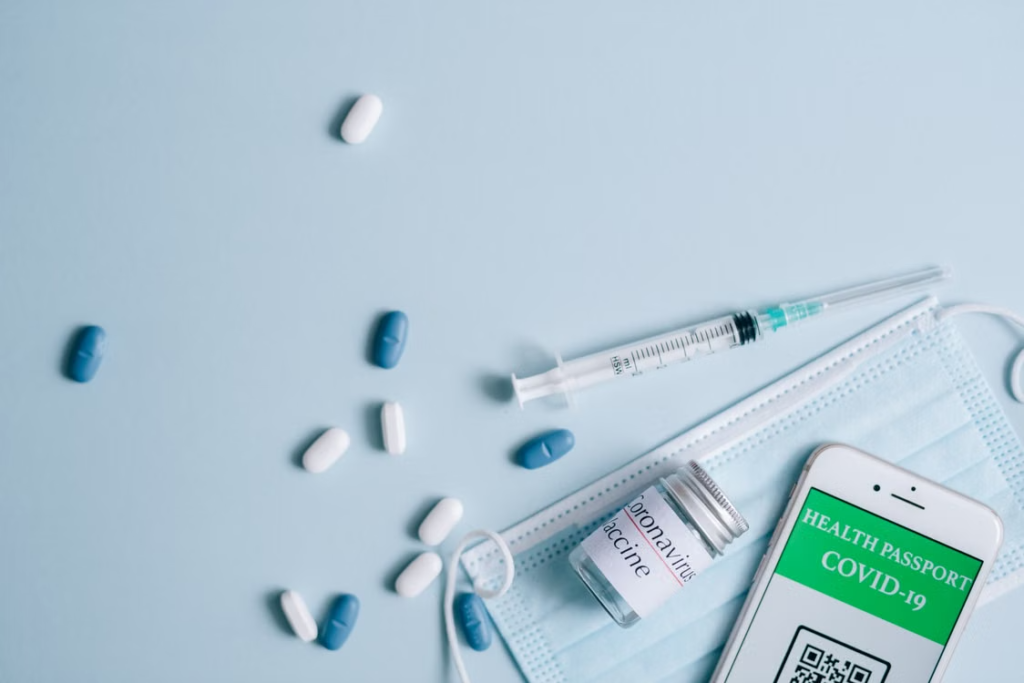
Technology does not replace professional medical communication or clinical systems. Its practical role is narrower: creating a convenient connection between a physical information point and an appropriate online resource.
How QR Codes Can Improve Access to Health Information
A QR code can help hospitals and clinics make supporting information easier to reach. For example, a poster in a waiting area may link to visitor guidance, while an appointment document may connect to preparation instructions supplied by the healthcare organization.
Because online pages can contain more information than a printed card or sign, codes can also help organizations keep physical materials concise. Accessibility remains important, however, so essential information should not be available exclusively through scanning.
Healthcare organizations can use codes for several information-focused purposes:
- connect appointment materials with preparation or arrival information;
- link waiting-area posters to approved educational resources;
- provide digital maps and directions for larger facilities;
- direct visitors to administrative forms or service information;
- connect printed materials with multilingual versions of the same content.
These applications focus on access rather than medical decision-making. Any clinical guidance should still come from qualified healthcare professionals and approved institutional sources.
What to Consider When Choosing a QR Code Generator for Healthcare
A QR code generator used in a healthcare environment should be evaluated carefully. Reliability matters because patients may encounter codes on materials that remain in circulation for long periods.
Dynamic links can be useful when a hospital needs to update a destination without replacing every printed sign or leaflet. Organizations should also consider access controls, internal governance, data-handling requirements, and whether the destination itself meets applicable privacy and security standards.
Design should remain functional. A heavily customized QR code maker may look distinctive, but readability and scan performance are more important than decorative elements.
| Factor | Why it matters in healthcare |
| dynamic destination | information can be updated without reprinting materials |
| centralized management | teams can organize multiple codes and campaigns |
| scan reliability | patients and visitors need consistent access |
| branding controls | materials can remain visually consistent |
| analytics | organizations can evaluate interaction with informational materials |
A platform should therefore be assessed as part of the broader information-management process. The code itself is only an access point; the quality, accuracy, privacy, and accessibility of the linked resource remain equally important.
ME-QR
ME-QR is an international platform for generating, managing, and analyzing QR codes, with dynamic links, scan analytics by time, location, and device, bulk creation, API integrations, branding options such as logos, colors, and custom domains, and a centralized control panel. The service is available to users worldwide through an interface offered in 28 languages and reports more than 20 million generated QR codes, over 300 million scans, and more than 500,000 users globally.
For healthcare organizations, these functions may be relevant when several departments or locations maintain informational materials that require periodic updates.
QRHealthcare
QRHealthcare can be considered when evaluating solutions intended for healthcare-related digital access. Organizations should examine how any platform fits their own requirements for information governance, privacy, administration, and long-term management before implementation.
The name or positioning of a service alone should not determine suitability. Internal security and compliance reviews remain necessary when QR technology connects users with healthcare systems or sensitive information.
Pageloot QR Codes
Pageloot QR Codes represent another option for creating scannable links for printed and digital materials. Hospitals and clinics assessing such a service should focus on practical requirements such as editable destinations, management controls, customization, and reliable scanning.
A free QR code generator may be adequate for a simple public-information page, but institutional use often requires closer attention to administration and continuity.
QRNow
QRNow can also be evaluated for informational campaigns and printed materials. Healthcare teams should consider how easily codes can be organized, updated, and maintained over the expected lifespan of the material.
This is especially relevant for signage or leaflets that may stay in circulation after the linked information changes.
QR Planet
QR Planet is another platform that healthcare organizations may encounter when comparing QR solutions. The most relevant questions concern functionality, management, destination control, and suitability for the intended type of information.
For any provider, healthcare organizations should avoid placing sensitive personal or medical information directly into a publicly readable QR code unless an approved secure system specifically supports that workflow.
Choosing a QR Code Generator for Healthcare Use
The appropriate online QR code generator depends on the purpose of the material. A clinic linking a poster to general visitor information has different requirements from a hospital managing hundreds of codes across departments and locations.
Long-term management should be considered before printing. Dynamic destinations can reduce unnecessary reprints, while centralized organization helps teams identify which code belongs to each document, department, or campaign.
Healthcare organizations should also establish responsibility for reviewing linked pages. Outdated information can remain accessible even when the printed code itself still scans correctly, so content ownership and review schedules are important.
A QR solution is most useful when it supports accurate, accessible, and maintainable information delivery. Technology can simplify access, but it should remain part of a controlled communication process rather than a substitute for professional healthcare guidance.
FAQ
Can hospitals use QR codes for patient information?
Yes. They can link patients and visitors to approved educational materials, directions, preparation information, administrative resources, or other institutional content.
Should medical information be stored directly in a QR code?
Sensitive health information generally requires appropriate privacy and security controls. Healthcare organizations should follow their internal policies and applicable legal requirements rather than placing confidential data in an openly readable code.
Are dynamic QR codes useful for clinics?
Yes. They can be practical for informational materials because the linked destination can be updated without replacing the printed code.
Other Articles You May Find of Interest...
- 5 Managed PACS Support Companies for Hospitals and Imaging Centres
- 5 QR Code Generators for Hospitals, Clinics, and Health Information
- 5 FHIR Software Development Companies to Consider in 2026
- Pulsed Field Ablation Is Shaking Up the World of EP Therapy
- Armin Ernst: What AI Actually Changes in Healthcare Delivery
- AI Can Fix Prior Authorization, but Only With Humans in the Loop
- Why Documentation Matters in Complex Product Development
Featured Doctors and Practices