Your Health Magazine Contributor
4201 Northview Drive
Suite 102
Bowie, MD 20716
More Health Industry Insights Articles
Fulfillment Services for Subscription Supplement Brands: 5 Providers to Know
Subscription supplement brands depend heavily on consistency, which makes choosing an appropriate fulfillment service an important operational decision. Between managing Q4 order volume spikes, controlling shipping costs, and maintaining inventory accuracy across multiple locations, there are several factors to consider. This guide looks at five fulfillment providers serving the supplement and DTC space and highlights some of the services and capabilities they offer.
How the Providers Were Selected
The providers included in this article were identified using publicly available information from official websites, case studies, and review platforms. The list focuses on companies with documented ecommerce logistics experience and services relevant to supplement or DTC brands.
- Ops Engine — DTC supplement fulfillment and personalized account management
- Deliverzen — Beauty, skincare, and supplement fulfillment across D2C and B2B
- Ship Fusion — Multi-location ecommerce fulfillment with dedicated support
- Ware2Go — On-demand warehousing and distributed fulfillment
- ShipMonk — Fulfillment for higher-volume ecommerce brands
The Business Case for Understanding Fulfillment Services
Supplement brands aren’t just shipping boxes. They’re shipping products with specific storage requirements, expiration dates, and customers who expect their monthly subscription to arrive on time, every time.
When order volume spikes during a flash sale or a Q4 push, a fulfillment partner that isn’t built for that kind of pressure will show cracks fast. Low shipping costs only matter if accuracy holds up. And accuracy only holds up if your 3PL has systems built around it.
The difference between a fulfillment partner that fits and one that doesn’t shows up directly in your order accuracy rate, your on-time ship rate, and your average cost per order fulfilled. Getting that fit right early means fewer chargebacks, fewer customer service headaches, and a retention rate your subscription model can actually build on.
5 Fulfillment Services: What You Need to Know at a Glance
Note: All data in this table is sourced from review platforms and the official websites of the listed companies.
| Company Name | Years Operating | Headquartered In |
|---|---|---|
| Ops Engine | N/A | Valencia, California, United States |
| Deliverzen | Est. 2017 | Irving, Texas |
| Ship Fusion | Est. 2013–2014 | Toronto, Canada |
| Ware2Go | Est. 2018 | Atlanta, United States |
| ShipMonk | Est. 2014 | Fort Lauderdale, FL |
Ops Engine — DTC Supplement Fulfillment and Account Support
What Is Ops Engine Known For?
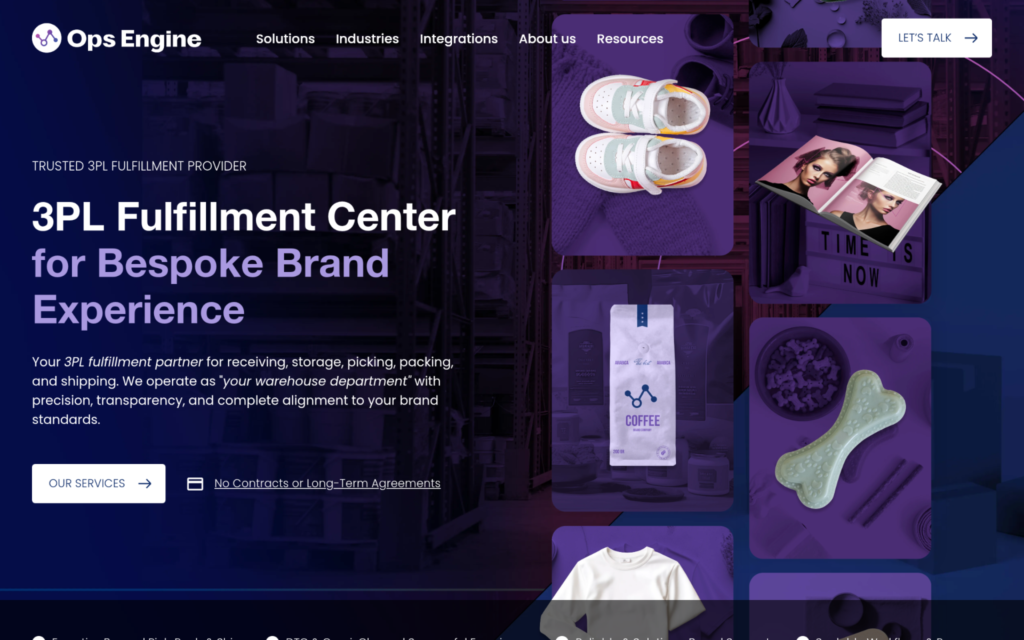
Ops Engine is a West Coast 3PL built specifically around DTC and omni-channel ecommerce, covering everything from receiving and storage to kitting, assembly, and reverse logistics. Their four-part scan verification system is central to how they operate, and the company reports a 99.99% order accuracy rate. Order-accuracy systems can be particularly relevant for supplement brands managing multiple SKUs and recurring shipments. Brands searching for a fulfillment partner can look at what https://www.opsengine.co/industries/supplement-fulfillment offers before committing to a conversation.
Why Is Ops Engine Built for Fulfillment Services?
Supplement brands often need more than standard pick-and-pack, and Ops Engine’s personalized “Your Warehouse Department” model means each brand gets direct account attention rather than being routed through a generic support queue. The company positions this model as a way to provide clients with more direct account support.
Customer Review Snapshot: Testimonials published on the company’s website frequently mention transparency and direct communication with the account team.
Deliverzen — Beauty, Skincare, and Supplement Fulfillment Across D2C and B2B
What Is Deliverzen Known For?
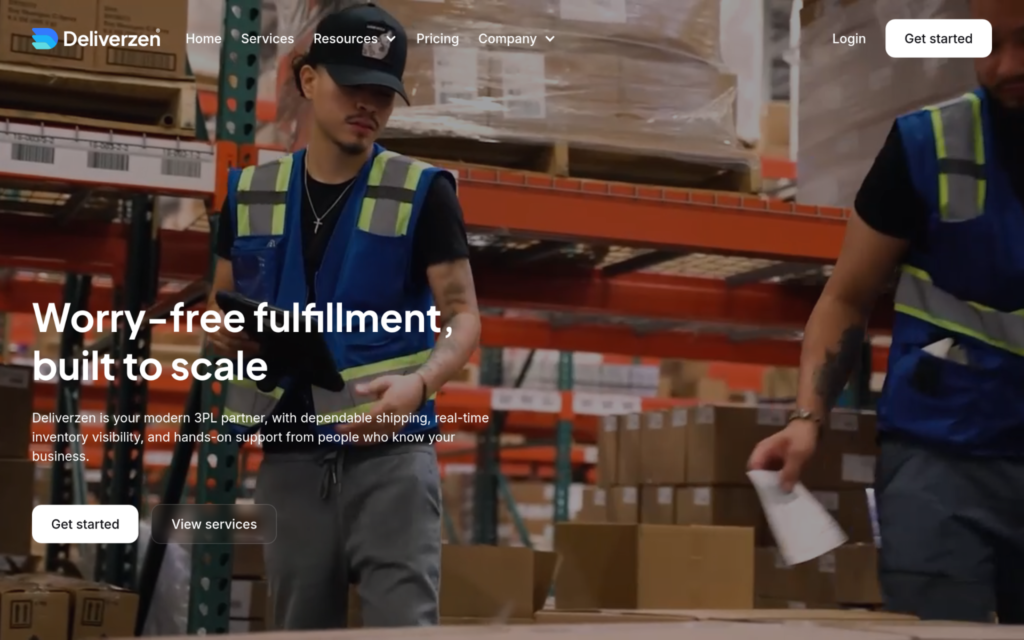
Deliverzen runs a 34,000 square foot climate-controlled warehouse out of Irving, Texas, focused on categories where product integrity matters: beauty, skincare, and supplements. They handle custom packaging, B2B order automation, Amazon fulfillment, and specialized kitting, all under one roof. Their customer service team is stationed on the warehouse floor rather than in a separate office, which keeps response times tight and accountability high. The company reports experience supporting clients at different stages of growth, including brands with substantial annual revenue.
Why Is Deliverzen Built for Fulfillment Services?
Supplement brands moving from pure D2C into wholesale or retail need a partner that can handle both channels without dropping accuracy, and Deliverzen’s B2B automation capabilities address that exact gap. The company reports a 99% order accuracy rate and promotes transparent pricing as part of its service model.
Customer Review Snapshot: Detailed public reviews are limited, but the Divi case study points to a real operational partnership rather than a transactional vendor relationship. Deliverzen’s floor-level customer service model is designed to keep support staff closely connected to warehouse operations.
Ship Fusion — Multi-Location Fulfillment for Ecommerce Retailers
What Is Ship Fusion Known For?
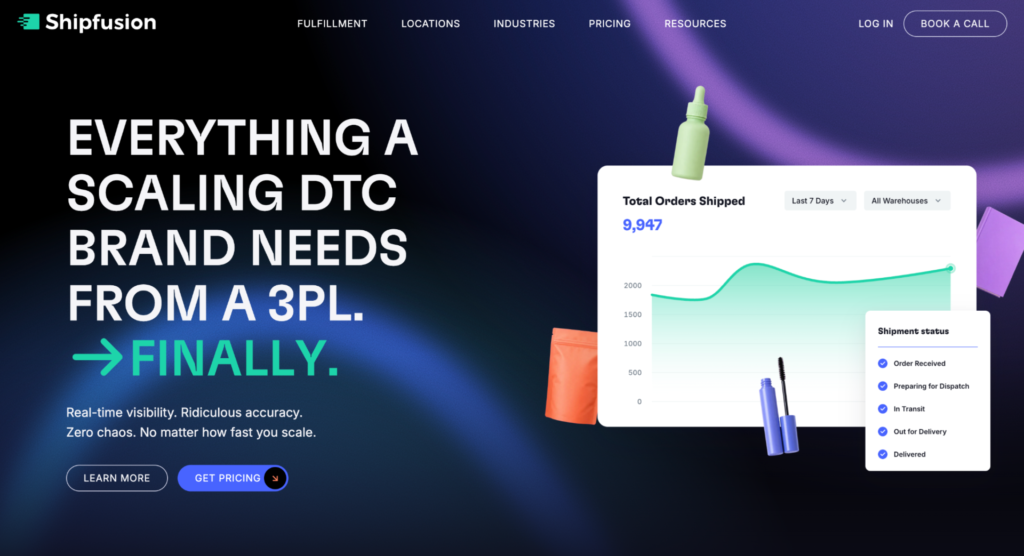
Ship Fusion runs over a million square feet across four fulfillment centers in Chicago, York PA, Las Vegas, and Toronto. Their US facilities are SQF Certified, and the Toronto location carries Health Canada approval, which matters if a brand is selling supplements across the border. They also build and operate their own custom fulfillment software, giving clients access to real-time analytics and inventory visibility through the company’s own software platform. Every client gets a dedicated account manager, and all facilities are staffed by Ship Fusion employees rather than contract workers, which gives the company direct control over facility staffing.
Why Is Ship Fusion Built for Fulfillment Services?
Growing supplement brands often outgrow single-warehouse setups before they realize it. Ship Fusion’s multi-location infrastructure lets brands distribute inventory closer to customers without switching partners. The company also reports a 99.9% order accuracy rate and publishes information about its on-time delivery performance.
Customer Review Snapshot: Recognition on the Globe and Mail’s Top Growing Companies list and the Deloitte Technology Fast 500 signals that Ship Fusion’s growth is validated beyond their own marketing. Clients including TUSHY and Purity Coffee have publicly documented their satisfaction. These recognitions provide additional third-party information that brands can consider when researching the provider.
Ware2Go — On-Demand Warehousing and Distributed Fulfillment
What Is Ware2Go Known For?
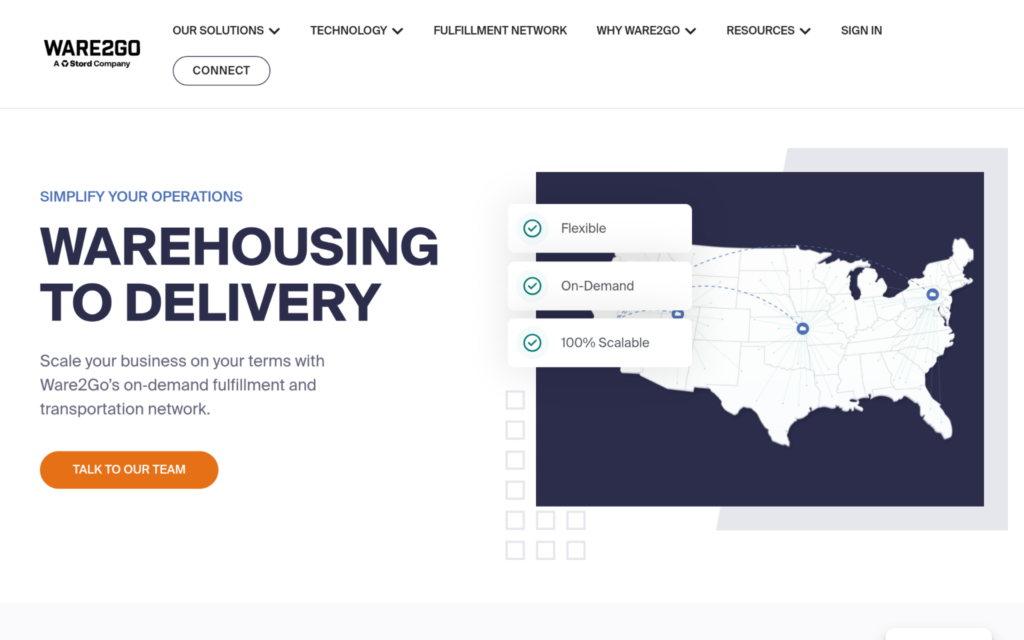
Ware2Go takes a platform-first approach to fulfillment, using machine learning and predictive analytics to help brands distribute inventory across their warehouse network before demand spikes hit. That means less scrambling during Q4 or a sudden viral moment. They support short-term warehouse agreements with no long-term lock-in, which may be useful for supplement brands with seasonal SKUs or promotional inventory. With 80+ technology integrations and capabilities spanning both B2B and B2C channels, they’re built for merchants managing complex, multi-channel supply chains.
Why Is Ware2Go Built for Fulfillment Services?
Brands that experience unpredictable order volume swings need a fulfillment partner that can shift inventory placement ahead of demand, not react after the fact. The platform is designed to help brands adjust inventory placement based on anticipated demand.
Customer Review Snapshot: Ware2Go has published case studies reporting ecommerce and D2C growth for clients including O2 Recovery and ALOHA. Industry recognition from Stevie Awards and inclusion on Fulfill.com’s Top 50 US 3PL list adds further third-party information about the company.
ShipMonk — Fulfillment for Higher-Volume Ecommerce Brands
What Is ShipMonk Known For?
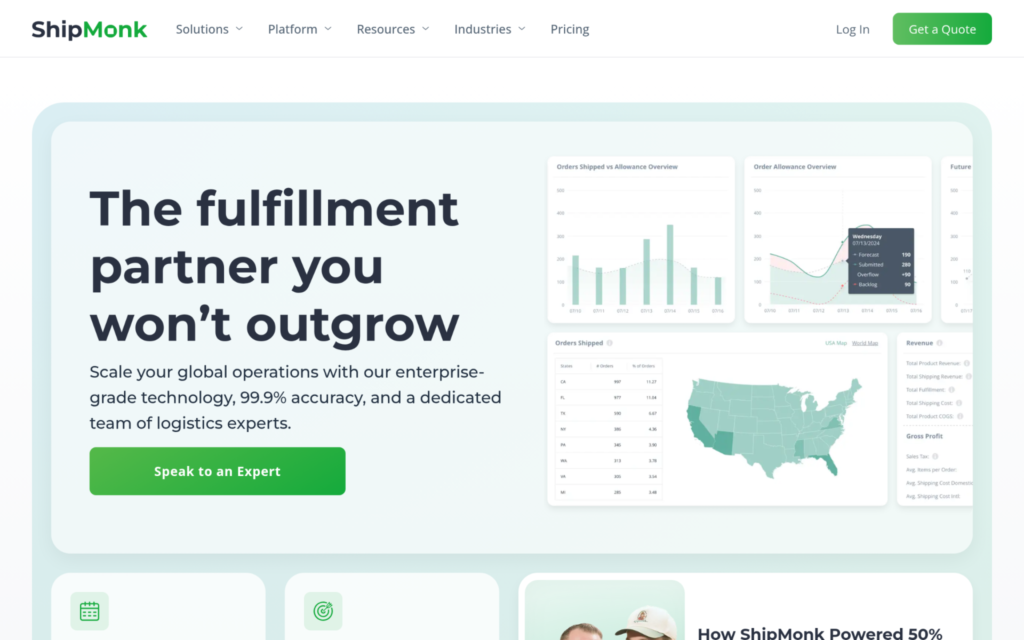
ShipMonk operates 12 facilities across the US, Canada, Mexico, and Europe, giving the company a fulfillment presence across several international markets. They’re built for brands that have crossed into serious volume and need a warehouse management system that can handle complex kitting, high SKU counts, and seasonal surges. The company reports a 99.9% order accuracy rate. For supplement subscription brands dealing with monthly renewal waves, that capacity is a relevant operational consideration.
Why Is ShipMonk Built for Fulfillment Services?
ShipMonk’s infrastructure is designed for brands managing higher order volumes, multiple SKUs, and seasonal demand changes. Their enterprise-level shipping rates, negotiated at scale, may affect the average shipping cost per order for higher-volume clients.
Customer Review Snapshot: Being named Business Intelligence Group’s “Company of the Year” for three consecutive years and appearing on the Inc. 5000 list five times in a row provides additional third-party recognition. Clients tend to value the technology platform and the geographic reach most, especially when managing cross-border supplement shipments.
Research and Information Sources
The research behind this article was built using publicly available sources. Information for the article was gathered from multiple publicly available sources where possible.
Where the Information Came From
Public directories, review platforms, company websites, and available case studies were used to identify providers with experience relevant to ecommerce fulfillment.
How Providers Were Identified
Providers were identified by looking at patterns across customer reviews rather than isolated testimonials, alongside publicly documented operational history in ecommerce logistics contexts.
Checking Published Claims
Where performance figures or customer outcomes were available, those claims were compared with publicly available case studies, reviews, or other supporting information. Where claims could not be corroborated through independent sources, they are presented in this article as company-reported figures.
Considering Third-Party Information
Industry awards and third-party recognition can provide additional information when researching a provider. Award citations from organizations like Deloitte, Ernst & Young, and the Stevie Awards were noted, as was inclusion on industry lists such as Inc. 5000 or Fulfill.com’s Top 50 US 3PL Companies, which was noted as additional third-party recognition separate from self-reported metrics.
What We Looked For in Fulfillment Services
The article focuses on providers with publicly documented experience in supplements, health and wellness products, or related specialty categories, including dedicated service pages addressing supplement logistics, reviews from supplement or health and wellness brands, and case studies documenting operational outcomes in adjacent categories.
Picking the Right Fit
Choosing a fulfillment partner for a subscription supplement brand isn’t just about who has the biggest warehouse or the lowest per-order rate. The right fit depends on where your brand is now and where it’s heading in the next 12 to 24 months. Here’s what to weigh:
Industry/Domain Experience: Look for providers with documented experience handling supplements, nutraceuticals, or comparable regulated categories. Climate control, expiration date tracking, and lot number management aren’t standard across all 3PLs.
Features and Service Options: Kitting and assembly matter for subscription box brands. Returns processing matters for DTC. Make sure the provider covers the services your fulfillment model actually requires.
Pricing Structure: Transparent, fee-inclusive billing protects margins. Hidden fees around receiving, special handling, or account management show up fast and erode the economics of your subscription model.
Results Measurement: Ask for real metrics: order accuracy rates, on-time ship rates, and average cost per order fulfilled. Providers confident in their performance will share this data without hesitation.
Industry Knowledge and Compliance: Supplement fulfillment touches FTC shipping rules and, depending on the product, FDA compliance considerations. A partner that understands these requirements saves brands from costly mistakes.
The Bottom Line
Subscription supplement brands need fulfillment partners that can handle precision, scale, and compliance without dropping the ball on accuracy. The five companies in this article each bring something specific to the table, whether that’s Ops Engine’s hands-on account model, Ship Fusion’s multi-location infrastructure, or Ware2Go’s demand forecasting approach. As the supplement DTC space continues to grow, choosing a fulfillment provider that fits a brand’s volume, product requirements, sales channels, and operational needs can become an important part of long-term planning.
Other Articles You May Find of Interest...
- Why Wellness Brands Package Gift Sets in Lid-and-Base Boxes
- How to Choose a Pharmaceutical Products Manufacturer: A Practical Checklist for Buyers
- How Digital Front Doors Reduce Patient Wait Times
- How Does an AI Medical Scribe Work During a Patient Visit?
- Magnesium Glycinate: What Supplement Labels Don’t Tell You
- How RPM Programs Are Helping Manage the Opioid Crisis
- What Is SD-WAN and How Does It Work for Healthcare Networking Teams?