Your Health Magazine Contributor
4201 Northview Drive
Suite 102
Bowie, MD 20716
More Health Industry Insights Articles
Choosing AI Image Tools for Recaps That Honor Consent
Consent desks treat a recap face as a legal object before they treat it as a picture. A signed form names who may appear, in which issue, and for how long. For example, an Images 2.5 pass that adjusts clinic lighting still needs to preserve the consent limitations attached to identifiable people in the original image.
Health magazines used to send recap stills through the house retoucher. Lift a glare on a badge, crop a visitor in the corridor, leave the patient’s face as the packet allowed. That cost a late afternoon and did not invent a second person. The new habit is a style paragraph: softer lamps, a calmer waiting room, a cover-ready hallway. The file often looks kind until legal holds it next to the signed packet. Then the same jaw, the same scar, the same staff lanyard is still a person the form never named for that crop. The file sits. The week slips. After that hold, the workspace is useful only if the phrase names the face the form already released.

Consent Forms Judge Faces Not Lighting
A recap week at a health title is not a mood board. Comms can request a cleaner hallway. Comms cannot ship a still that legal will not defend. The packet is a stack of names, dates, and crop notes. If the still shows a face the packet did not release, the issue waits. If the still shows a face the packet did release, but a style pass left that face fully readable in a wider crop, the issue still waits. Kind light is not a substitute for a named release.
The usual miss starts with good manners. Someone asks for a gentler clinic so readers will not flinch. The render delivers warmer walls and a slower corridor. The patient who signed for a tight consult crop is now a recognizable person in a three-quarter hallway frame. Legal does not argue about warmth. Legal asks whether a neighbor could name that person from the recap. If the answer is yes, and the form never allowed that width, the file is a consent breach. The afternoon spent on prettier lamps does not come back.
Why Recap Light Still Leaves a Face
Style tools are built to improve a room. Consent tools are built to keep a person inside a named box. Those jobs collide on recap night. A pass that “makes the clinic calmer” will often keep the same eyes, the same hairline, the same badge color, because those pixels already look like a finished portrait. The room gets kinder. The face stays a person. For a health magazine, that leftover person is the whole problem.

What a Signed Face Allows in Print
A signed face is a limited grant. The form may allow a consult-room crop for one feature, one issue, and one channel. It may forbid social reuse. It may forbid a hallway wide shot. It may require a hand or a device in frame so the story is about a procedure, not a biography. Comms check that grant before anyone opens a workspace. If the grant is a tight crop, the source file must already be that crop. A model cannot honor a box that left the frame.
When the packet names a staff clinician and not a waiting-room visitor, the visitor is not texture. Asking the tool to “clean the benches” often completes a second face because a full bench “reads finished.” A completed face is a new person. A new person in a recap is a new legal review. That review burns the same-day window the features desk thought it still had.
What a Style Pass Cannot Excuse
A style pass can lift a glare on a monitor. It can quiet a harsh overhead. It cannot excuse a recognizable face the form never released. It also cannot excuse a released face that the pass then placed in a wider, more identifiable setting. Those are the same breach with different lighting. Legal will reject both. The reject is not taste. The reject is a person who can still be named.
Comms desks learn this the expensive way when a cover-ready hallway comes back with a sticky note from counsel: who is the person at the left edge, and where is their form? There is no form. There is only a prettier room. The file cannot ship. The week’s recap either runs with the older, legally boring still, or it runs late. Neither outcome pays for the style hour.
How the Agent Handles a Recap Still
Some conversational AI image tools allow users to upload an existing image and request localized changes in plain language. For consent-sensitive healthcare imagery, the important consideration is whether those changes preserve the identities, crops, and uses permitted by the original consent documentation. That matters on a consent desk because the source still is the evidence. A blank prompt novel will invent a kinder clinic and, with it, a kinder stranger. The stranger has no form.
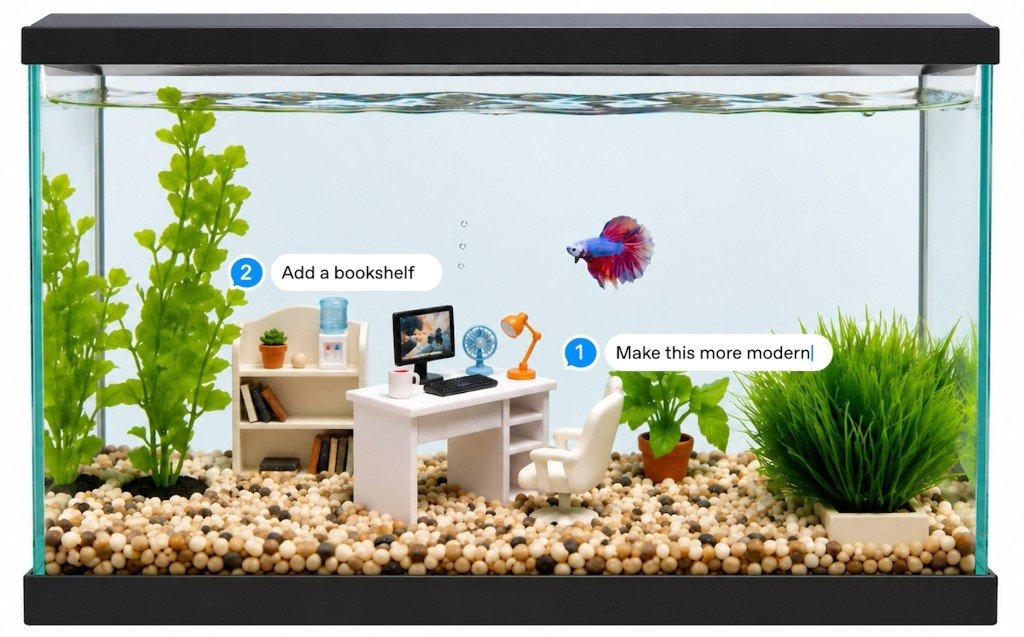
A limited number of test edits may be enough to determine whether an AI image workflow can preserve the consent boundaries of the original photograph. An Images 2.5 AI Image Agent pass can serve as one example of this kind of workflow, provided the requested edit remains within the identities, crop, and permitted use documented for the source image.
Attach the Recap Then Name One Change
Start with the still that already matches the form. If the grant is a consult crop, upload that crop, not a corridor master that “has more options.” Describe one move: the glare on the monitor, the visitor shoe at the edge, the harsh ceiling. Say what stays: the signed face at the granted width, the badge if the packet allowed the badge, the device in the hands. One move. Two moves in one sentence are two doors. The second door is usually a wider, more identifiable face.
If the first return still leaves a readable person the form did not name, do not stack a second style wish on top. Go back to the source. Keep only the glare removal. The extra wish waits. Stacking corrections inside one long paragraph recreates the hallway that legal already rejected. An image tool may still generate from an overly broad instruction. The breadth of the instruction is the risk. The short local line is the method that keeps the packet honest.
Clinic Week Uses That Fit the Form
Not every recap job belongs in a chat. The jobs that fit are the ones where the packet already chose the person and the crop, and someone still needs a local fix that does not reopen identity. The jobs that do not fit are the ones where comms hopes a style pass will hide a person the form never covered. Hiding a person by making them prettier is still showing a person.
| Recap job | What the packet already released | Fail if the pass |
| Consult still | Named patient, tight crop, one issue | Widens the frame into a readable portrait |
| Hallway feature | Staff who signed; no waiting faces | Completes a visitor on the bench |
| Device demo | Hands and product; faces out of grant | Adds a second clinician in the light |
Read the table as a hold list, not a style menu. If the source does not already show the released crop, do not ask the agent to invent a safer face. Change the capture. Get a still the packet can defend. Then ask for the glare. Test drafts are most useful for that limited editing loop. They are wasted when the first instruction asks for a substantially redesigned clinic scene and hopes counsel will not look at the edges.
Who Owns the Recap After the Pass
This path fits a comms desk that already holds the packet and needs one local cleanup before the issue closes. It does not fit a team hoping a kinder hallway will stand in for a missing signature. An AI image tool can make a localized visual adjustment when the permitted elements are clearly defined. It cannot override the consent documentation.
Health readers came for a clinic they can trust, not a prettier stranger. If the signed face is gone, or a new face arrived, reject the cinematic ward. Do not file it as a backup. Backups of unsigned people get reused in the next recap. Reuse is how a consent breach travels. Keep the boring still that matches the packet. Ship that. The style hour can wait for a face the form already named.
Other Articles You May Find of Interest...
- Why Wellness Brands Package Gift Sets in Lid-and-Base Boxes
- How to Choose a Pharmaceutical Products Manufacturer: A Practical Checklist for Buyers
- How Digital Front Doors Reduce Patient Wait Times
- How Does an AI Medical Scribe Work During a Patient Visit?
- Magnesium Glycinate: What Supplement Labels Don’t Tell You
- How RPM Programs Are Helping Manage the Opioid Crisis
- What Is SD-WAN and How Does It Work for Healthcare Networking Teams?