






More Hair Care Articles
Scalp Conditions: How to Identify and Treat Common Issues
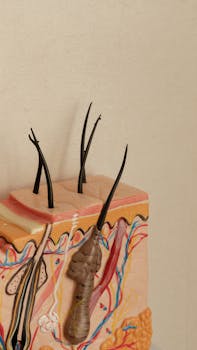
Dealing with scalp conditions can be both a physical and emotional struggle. Scalp issues can range from minor irritations to chronic conditions that need medical attention. Understanding these problems is the first step in managing them effectively. This article explores various scalp conditions, their symptoms, and treatment options to help you maintain a healthy scalp.
Understanding Scalp Conditions
Scalp conditions are common and can affect anyone, regardless of age or gender. They often manifest as dandruff, oily scalp, itchy scalp, or more severe issues like psoriasis and seborrheic dermatitis.
Dandruff
Dandruff is perhaps the most common scalp condition. It is characterized by flaking of the scalp due to dry skin or an overproduction of oil. Over-the-counter medicated shampoos may help manage dandruff, but persistent cases might require a dermatologist’s consultation.
Psoriasis
Psoriasis is a chronic autoimmune condition that causes rapid skin cell growth, resulting in thick, scaly patches on the scalp. While there is no cure, treatments such as topical corticosteroids, vitamin D analogs, and light therapy can help manage symptoms. Learn more about psoriasis.
Seborrheic Dermatitis
This condition is similar to dandruff but can cause more severe oiliness and flaking. It may be influenced by genetics, environmental factors, and stress. Treatment often includes medicated shampoos containing ketoconazole or selenium sulfide.
Alopecia
Alopecia refers to hair loss caused by various factors, including autoimmune responses, hormonal changes, and stress. Treatment can involve topical treatments like minoxidil, oral medications, or hair transplant procedures depending on the severity and cause.
Treating Scalp Conditions
Treating scalp conditions often requires a comprehensive approach, addressing both the symptoms and root causes. Here are some effective strategies:
- Proper Hair Care: Using appropriate shampoos and conditioners tailored to your scalp type can prevent and alleviate some conditions.
- Topical Treatments: Over-the-counter and prescription treatments, such as medicated shampoos and ointments, are available for many conditions.
- Lifestyle Changes: A diet rich in vitamins and nutrients may support scalp health. Learn more about which vitamins are beneficial for overall health.
- Medical Intervention: Persistent or severe cases should be evaluated by a dermatologist to develop a targeted treatment plan.
Maintaining a Healthy Scalp
Prevention plays a crucial role in managing scalp health. Here are some tips to maintain a healthy scalp:
- Regular Washing: Keep your scalp clean, but not overly washed, to balance oil production.
- Hydration: Drink plenty of water to keep your skin, including your scalp, hydrated.
- Avoid Harsh Chemicals: Opt for products free from sulfates and parabens to reduce irritation.
Conclusion on Scalp Conditions
Scalp conditions can range from mild annoyances to significant health issues. Understanding and addressing these problems is important for maintaining both your scalp and overall well-being. If you’re uncertain about symptoms or treatments, it’s always best to consult a healthcare professional. For more information on health, you can visit this comprehensive resource.
- Scalp conditions include dandruff, psoriasis, seborrheic dermatitis, and alopecia.
- Managing these conditions involves proper hair care, topical treatments, and sometimes medical intervention.
- Prevention and management can benefit from a healthy diet and lifestyle.
- Persistent issues should be assessed by a dermatologist.
How do I know if I have a scalp condition?
Common signs include flaking, itching, redness, and patches on the scalp. If these symptoms persist, consult with a healthcare professional.
Can diet affect my scalp condition?
Yes, a balanced diet with essential vitamins and minerals can support scalp health. A poor diet potentially worsens some conditions.
Are scalp conditions contagious?
Most are not contagious. However, some infections, like ringworm, can spread through direct contact or sharing hair care items.
Do home remedies work for treating scalp conditions?
Some home remedies can alleviate symptoms, but they may not treat the underlying causes. It’s essential to seek professional advice for persistent issues.
When should I see a doctor about my scalp condition?
If you experience severe symptoms, like intense itching, pain, or hair loss, it’s time to consult a dermatologist for proper diagnosis and treatment.
Other Articles You May Find of Interest...
- Does Losartan Contribute to Hair Loss? Understanding the Connection
- Can Finasteride Help Regrow Your Hair?
- Can Prenatal Vitamins Help You Grow Your Hair Faster?
- Do Lice Prefer Clean Hair or Dirty Hair? Discover the Truth Behind Lice Infestations
- Healing Damage to Hair: Effective Tips and Remedies for Lustrous Locks
- Can Prenatal Vitamins Boost Your Hair Growth?
- What Is the Cost of a Hair Transplant in Turkey?




