






More Hair Care Articles
Reclaiming Confidence: Effective Solutions for Women with Receding Hairlines
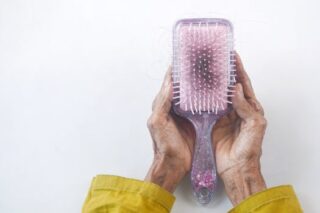
Hair loss can be a distressing experience, especially when it affects the hairline. Receding hairline women experience this change for various reasons, from genetics to hormonal changes. While this condition is common, it can still impact confidence and self-esteem. Understanding the causes and exploring different remedies can help women manage and sometimes improve this situation.
Causes of a Receding Hairline in Women
Several factors can contribute to a receding hairline in women. Genetics often play a significant role, but environmental factors, stress, hormonal imbalances, and certain medical conditions can also influence hair health. Identifying the underlying cause is crucial in determining the most effective treatment plan.
Genetic Factors
Androgenetic alopecia, often referred to as female pattern baldness, is a hereditary condition that can cause a receding hairline in women. It typically results in gradual thinning of hair across the scalp. If your family has a history of hair loss, you may be more likely to experience it yourself.
Hormonal Changes
Hormonal fluctuations, especially those related to menopause or pregnancy, can lead to hair loss. During these life stages, hormonal levels like estrogen and progesterone decrease, which might lead to thinning hair or a receding hairline.
Medical Conditions
Certain medical conditions, such as thyroid disorders or autoimmune diseases like alopecia areata, can also contribute to hairline recession. Consulting with a healthcare provider can help diagnose any underlying health issues that might be affecting hair growth.
Stress and Lifestyle
High-stress levels can lead to hair loss due to the impact of stress hormones. Additionally, lifestyle choices can significantly impact overall health, including hair health. For more information on how lifestyle choices can affect health, read this comprehensive guide on our website.
Effective Solutions for Receding Hairline Women
Topical Treatments
Several topical treatments are available that may help manage a receding hairline in women. Minoxidil is a popular over-the-counter solution that can be applied directly to the scalp to encourage hair growth. It’s essential to follow the instructions carefully and consult with a healthcare professional to ensure safety and efficacy.
Prescription Medications
For some women, prescription medications might be necessary. These can include treatments such as spironolactone that help manage hormonal imbalances. However, it’s crucial to discuss the potential risks and benefits with a doctor before starting any medication.
Natural Remedies
Incorporating certain vitamins and minerals, such as biotin, zinc, and iron, into your diet may support hair health. Additionally, essential oils like rosemary and lavender are believed to promote hair growth, though more research is needed. It’s important to approach natural remedies with realistic expectations and consult with a healthcare provider.
Hair Transplant Surgery
In some cases, surgical options like hair transplant surgery may be considered. This procedure involves moving hair follicles from one part of the body to the thinning areas of the scalp. Hair transplant surgery can be effective, but it’s also expensive and involves downtime for recovery.
Hairstyling Techniques
Adjusting hairstyling techniques can also help women with a receding hairline. Styles that avoid tension on the hair, such as loose ponytails or avoiding harsh hair treatments, can help maintain hair health. Professional stylists can offer advice on cuts and styles that can create the appearance of fuller hair.
Prevention Tips for Healthy Hair
While some factors contributing to hairline recession are unavoidable, others can be mitigated with preventive measures. A balanced diet rich in nutrients, regular scalp massages to improve circulation, and reducing stress through relaxation techniques can all contribute to healthier hair and potentially slow hairline recession.
Regular Scalp Care
Maintaining a clean, healthy scalp is crucial for optimal hair growth. Regular washing and gentle exfoliation can prevent buildup that might inhibit hair growth. Using products free from harsh chemicals and tailored to your hair type can further support scalp health.
Professional Evaluation
If you suspect your hairline is receding, consulting with a dermatologist or trichologist can provide professional insights into the cause and best treatments moving forward. They can recommend targeted treatments based on your individual needs and health history.
For more detailed information on health-related issues, you can visit this external resource that provides a broad overview of health management strategies.
Women facing receding hairlines have multiple options to explore for maintaining and enhancing hair health. Whether through lifestyle adjustments, topical treatments, or medical interventions, there are several paths to consider to reclaim confidence and self-assurance.
- Identify the underlying causes of hairline recession.
- Explore topical treatments and lifestyle adjustments.
- Consider professional medical advice for tailored solutions.
- Adopt preventive measures for healthier hair maintenance.
- Utilize hairstyling techniques for appearance enhancement.
Can stress cause a receding hairline in women?
Yes, stress can contribute to hair loss by affecting hormonal balance and increasing hair shedding. Managing stress through relaxation techniques may help improve hair health.
Are there natural ways to treat a receding hairline?
Natural treatments might include dietary supplements and essential oils, which can support hair health. However, it’s important to manage expectations and consult a healthcare provider for guidance.
What role do hormones play in hair loss?
Hormonal imbalances, particularly during menopause or pregnancy, can lead to thinning hair. Hormone-related treatments may help manage this type of hair loss.
Is hair transplant surgery a viable option for women?
Hair transplant surgery can be an option for women but should be considered carefully due to its cost and healing time. Consulting with a specialist can help determine if this is a suitable option.
What are common prescription treatments for hair loss in women?
Common prescription treatments may include medications like spironolactone. These should be discussed with a healthcare provider to understand the benefits and potential side effects.
Other Articles You May Find of Interest...
- Hair Restoration In Melbourne For Long Term Results
- Choosing The Right Hair Loss Treatment For Women
- Beyond the Scalpel: The Health Benefits of Choosing SMP Over Traditional Hair Transplants
- The Accidental Revolution: A Clinical History of Minoxidil
- Top Benefits of Choosing Hair Replacement Over Surgery
- Hair Transplant for Women: Causes of Female Hair Loss + Best Approaches in 2026
- Battling Bad Hairlines: Tips for Regrowth and Confidence




