






More Hair Care Articles
Healing Damage to Hair: Effective Tips and Remedies for Lustrous Locks
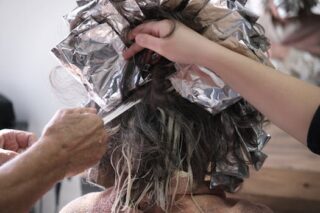
Hair is often seen as a reflection of our identity and style, but various factors can lead to damage to hair. From environmental stressors to styling choices, multiple elements can contribute to weak and brittle hair. Understanding the causes and exploring effective remedies can help you restore your hair’s health and appearance.
Understanding Damage to Hair
Damage to hair can manifest in various forms, including split ends, dryness, breakage, and frizz. It’s essential to identify the root causes to tailor the most effective solutions. Many people experience hair damage due to heat styling, chemical treatments, and exposure to harsh environmental conditions. Additionally, nutritional deficiencies and improper hair care routines can exacerbate the problem.
Common Causes of Hair Damage
- Heat Styling: Overuse of hair dryers, curling irons, and flat irons can weaken the hair shaft, leading to breakage and dryness.
- Chemical Treatments: Coloring, perming, and relaxing treatments can alter the hair’s structure, stripping natural oils and moisture.
- Environmental Exposure: Sunlight, pollution, and wind can take a toll on hair health, making it prone to brittleness.
- Poor Nutrition: A diet lacking essential nutrients like vitamins and minerals can impede hair growth and make hair more susceptible to damage.
Effective Remedies for Repairing Hair Damage
To counteract damage to hair, consider incorporating the following remedies into your routine for healthier, shinier locks.
Moisturizing Treatments
Hydration is key to restoring the softness and shine of damaged hair. Regularly using deep conditioning masks and leave-in conditioners can replenish lost moisture. Consider oils like coconut or argan oil, known for their moisturizing properties, to smooth and protect the hair shaft.
Using Natural Ingredients
- Coconut Oil: A natural conditioner, coconut oil can penetrate hair strands, reducing protein loss and providing intense moisture.
- Aloe Vera: With its soothing and conditioning properties, aloe vera can help reduce frizz and add shine.
- Avocado: Rich in vitamins E and B, avocado can nourish and strengthen the hair from root to tip.
These natural ingredients can be incorporated into hair masks or used as standalone treatments to repair and protect.
Adjusting Hair Care Habits
Small changes in how you care for your hair can have a significant impact on its health. Begin by reducing the frequency of heat styling and opting for cooler settings when using styling tools. Additionally, switch to gentle, sulfate-free shampoos to cleanse your hair without stripping away necessary oils.
Trim Regularly
Regular trims are essential in preventing split ends from traveling up the hair shaft, which can lead to more severe damage. Aim to trim every 6 to 8 weeks to maintain healthy ends.
Maintaining a Balanced Diet
Your diet plays a critical role in hair health. Incorporating foods rich in omega-3 fatty acids, proteins, and biotin can promote hair growth and repair. For more on nutrient-focused approaches that support overall health, consider reading about what vitamins are beneficial for brain function, which can also be vital for healthy hair.
The Importance of Hydration
Keeping your body well-hydrated is crucial for maintaining the moisture balance in hair. Make sure to drink enough water daily to keep your hair hydrated from the inside out.
Professional Treatments
For severe cases of damage to hair, professional treatments like keratin treatments or Olaplex bonding can offer intensive repair. These treatments help rebuild broken bonds and restore strength and elasticity. Consult with a licensed professional to determine the best treatment option for your hair type and needs.
While damage to hair can be frustrating, a combination of appropriate hair care practices, dietary changes, and professional assistance can help revitalize your locks. Embrace these remedies and enjoy the journey to healthier, more lustrous hair.
- Moisturize your hair regularly with natural and commercial products.
- Avoid excessive heat and chemical treatments.
- Maintain a nutritious diet rich in essential vitamins and minerals.
- Consider professional hair treatments for severe damage.
- Make hydration a priority for overall hair health.
Frequently Asked Questions
What are the primary causes of hair damage?
Hair damage is mainly caused by excessive heat styling, chemical treatments, and environmental stressors such as the sun and pollution.
How often should I trim my hair to prevent damage?
Trimming your hair every 6 to 8 weeks can prevent split ends and keep your hair healthy.
Are there specific foods that can help improve hair health?
Yes, foods rich in omega-3 fatty acids, proteins, and biotin, such as fish, nuts, and eggs, can support hair health and growth.
Can I repair extremely damaged hair on my own?
While home remedies and adjustments can help, severely damaged hair may benefit from professional treatments for more intensive repair.
Are there safe external resources for more information on hair health?
For additional information on health topics, including hair health, consider visiting credible resources like Wikipedia’s Health page.
Other Articles You May Find of Interest...
- Does Losartan Contribute to Hair Loss? Understanding the Connection
- Can Finasteride Help Regrow Your Hair?
- Can Prenatal Vitamins Help You Grow Your Hair Faster?
- Do Lice Prefer Clean Hair or Dirty Hair? Discover the Truth Behind Lice Infestations
- Healing Damage to Hair: Effective Tips and Remedies for Lustrous Locks
- Can Prenatal Vitamins Boost Your Hair Growth?
- What Is the Cost of a Hair Transplant in Turkey?




