






More Hair Care Articles
Does Spironolactone Really Cause Hair Loss? Exploring the Connection
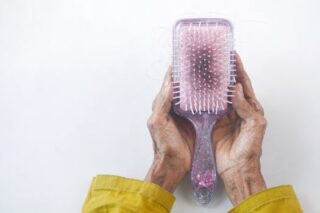
Spironolactone is a medication commonly used for managing conditions like hypertension and heart failure. Among the various questions surrounding this drug, one often asked is: does spironolactone cause hair loss? This concern stems from the drug’s interaction with hormone levels, which can potentially affect hair growth and shedding patterns.
Understanding Spironolactone and Its Uses
Spironolactone is classified as a diuretic and an anti-androgen. It primarily helps in reducing fluid retention and managing hormonal imbalances. Physicians often prescribe it for conditions such as polycystic ovary syndrome (PCOS), where it can help reduce symptoms like excessive hair growth due to hormonal fluctuations.
Beyond its primary uses, spironolactone is also being increasingly utilized off-label to treat acne and hair loss caused by hormonal imbalances, particularly in women. By curbing the effects of certain hormones like testosterone, spironolactone can aid in creating a more balanced hormonal environment.
Does Spironolactone Cause Hair Loss?
The concern about whether spironolactone can cause hair loss is understandable, especially for those using it to manage hormone-related issues. While spironolactone is sometimes used to treat certain types of hair loss, particularly those linked to androgens, it is important to note that any medication affecting hormone levels has the potential to influence hair growth cycles.
For some individuals, adjustments in hormone levels due to spironolactone could potentially lead to changes in hair shedding patterns. However, this is not a universal side effect and tends to vary based on each person’s unique hormonal makeup and overall health.
Possible Side Effects of Spironolactone
Like all medications, spironolactone may cause a range of side effects, some of which may include:
- Fatigue
- Dizziness
- Electrolyte imbalances, which can impact heart and muscle functions
- Breast tenderness and menstrual irregularities
Hair loss is not one of the most commonly reported side effects of spironolactone, and much of the evidence supporting this occurrence is anecdotal. As with any medication, it’s crucial to discuss potential side effects with a healthcare provider, especially when concerns about hair health arise.
Can Spironolactone Cause Hair Loss or Help Prevent It?
Spironolactone’s role in hair health is complex. On one hand, it is used to treat hair loss conditions such as androgenic alopecia in women by reducing androgen levels. On the other hand, individual reactions may vary, and some patients express concern over whether spironolactone might lead to increased hair shedding.
It is worth noting that spironolactone is part of a broader treatment plan and should always be used under the guidance of a healthcare professional. This ensures that any potential side effects, including those related to hair health, are monitored closely.
If spironolactone is prescribed to address conditions such as PCOS or acne, improving overall hormone balance can likely help stabilize hair growth cycles over time. However, each individual’s experience will differ, demanding personalized medical advice.
Healthy Lifestyle Choices and Hair Health
While medications play a significant role in managing health concerns, lifestyle choices also significantly impact overall well-being and hair health. Diet, exercise, and stress management can all contribute to maintaining a healthy body and supporting robust hair growth. For more insights into how lifestyle affects your health, explore this comprehensive guide on lifestyle choices and health impacts.
Conclusion
So, does spironolactone cause hair loss? It’s a nuanced issue. While it’s not widely recognized as a cause of hair loss, individual experiences may vary. Consultation with healthcare professionals remains essential when considering spironolactone for treating hormonal imbalances or hair loss. For more information about health and medications, you can visit Wikipedia’s health page.
- Spironolactone is primarily used to treat fluid retention and hormone-related conditions.
- It can aid in treating hair loss related to hormonal imbalances in women.
- While some users express concerns about hair loss, evidence is anecdotal.
- Discuss any medication concerns with a healthcare provider for tailored advice.
- Healthy lifestyle choices significantly influence hair and overall health.
FAQ
What is spironolactone commonly used for?
Spironolactone is commonly used to manage fluid retention in conditions like heart failure and hypertension and is also utilized off-label for treating hormonal imbalances such as PCOS and acne.
How does spironolactone work in the body?
Spironolactone works as a diuretic and an anti-androgen, helping reduce excess fluid and balancing certain hormones in the body.
Can spironolactone help with female hair loss?
Yes, it can be prescribed to women experiencing androgen-related hair loss, as it helps lower testosterone levels, which may improve hair growth.
Should I worry about hair loss when taking spironolactone?
While hair loss is not a common side effect of spironolactone, those with concerns should discuss them with their healthcare provider to ensure proper management and monitoring.
What should I do if I experience side effects from spironolactone?
If you experience any side effects, it’s important to consult with your healthcare provider. They can help adjust your treatment plan or provide alternatives based on your symptoms and health needs.
Other Articles You May Find of Interest...
- Hair Restoration In Melbourne For Long Term Results
- Choosing The Right Hair Loss Treatment For Women
- Beyond the Scalpel: The Health Benefits of Choosing SMP Over Traditional Hair Transplants
- The Accidental Revolution: A Clinical History of Minoxidil
- Top Benefits of Choosing Hair Replacement Over Surgery
- Hair Transplant for Women: Causes of Female Hair Loss + Best Approaches in 2026
- Battling Bad Hairlines: Tips for Regrowth and Confidence




