






More Hair Care Articles
Do Lice Prefer Clean Hair or Dirty Hair? Discover the Truth Behind Lice Infestations
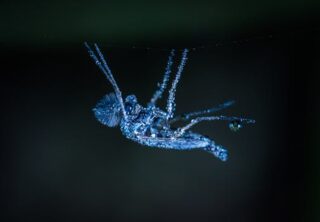
When it comes to head lice, there is a common question many parents ask: do lice prefer clean hair or dirty hair? This curiosity is driven by the concern of how these pesky parasites choose their hosts. It’s important to understand the behaviors of lice to effectively deal with infestations and debunk myths surrounding this issue.
Do Lice Prefer Clean Hair?
The short answer is no, lice do not prefer clean hair over dirty hair, or vice versa. Head lice are parasitic insects that feed on human blood, and their primary concern is accessing a host rather than worrying about hair cleanliness. Whether hair is clean or dirty, lice can find it a suitable environment as long as it provides the warmth and access to blood that they need.
Cleanliness does not attract or repel lice. Therefore, maintaining clean hair will not necessarily prevent an infestation. Regular hygiene practices are recommended for overall health and wellness, but they do not influence lice behaviors. Instead of focusing on cleanliness, identifying early signs of lice infestation and taking prompt action can make a significant difference in managing the situation.
How Lice Spread
Lice spread primarily through direct head-to-head contact. This is why lice problems are often seen in children who participate in activities that encourage close contact, such as playgroups, schools, and sports. Sharing personal items like hats, brushes, and hair accessories can also contribute to the spread of lice, although this is less common. For further insights on managing challenges, you may find progress in personal challenges to be informative.
Misconceptions About Lice
Many misunderstandings persist about lice, including the notion that they are the result of poor hygiene. Other common myths include the belief that lice can jump or fly; however, they do not have wings and cannot jump. Instead, lice crawl, which is why direct contact is needed for them to transfer from one person to another. Understanding these misconceptions is essential in fostering a more informed approach to lice prevention and treatment.
Prevention and Treatment
Preventing a lice infestation can largely be managed by minimizing head-to-head contact and avoiding the sharing of personal items that touch the hair or head. Parents should regularly check their children’s hair for signs of lice, especially when a known outbreak occurs at school or within the community.
Effective treatment options typically include over-the-counter and prescription medications designed specifically to kill lice and their eggs. It’s crucial to follow the instructions carefully to ensure the treatment is effective. Additionally, combing the hair with a fine-toothed nit comb can help remove lice and nits. It’s beneficial to consult a healthcare provider for recommendations tailored to your situation.
Do Lice Prefer Clean Hair in Conclusion?
The question, do lice prefer clean hair, should be understood in the context of lice behaviors rather than hygiene practices. Lice are indifferent to the cleanliness of hair, and their main focus is finding a human host. Preventive measures and prompt treatments are key in managing lice issues effectively. For more detailed information about lice, visit this informative resource on health.
- Lice do not prefer clean or dirty hair; they only need a human host.
- Direct head-to-head contact is the primary mode of lice transmission.
- Common misconceptions include lice being attracted to poor hygiene.
- Prevent lice by minimizing head contact and not sharing hair accessories.
- Consult healthcare providers for effective treatment options.
What are the early signs of a lice infestation?
Early signs of a lice infestation include itching and visible nits or lice near the scalp. Regular checks are important in preventing full-blown infestations.
Can lice spread through sharing bedding or clothing?
While lice can survive briefly on inanimate objects, they spread primarily through direct contact. Sharing bedding or clothing is a less common method of transmission.
Are there any natural remedies for treating head lice?
Some natural remedies, such as tea tree oil or vinegar rinses, are popular. However, their efficacy varies, and they should be used with caution. Consult with healthcare providers for safe and effective treatments.
How long can lice live off the human scalp?
Lice can survive off the human scalp for about 1 to 2 days. They need blood to feed and will perish without it.
Is it necessary to treat the entire family if one member has lice?
It’s important to check all family members if one has lice, as lice can easily spread. However, treatment is only necessary for those who have evidence of lice, like live lice or eggs.
Other Articles You May Find of Interest...
- Does Losartan Contribute to Hair Loss? Understanding the Connection
- Can Finasteride Help Regrow Your Hair?
- Can Prenatal Vitamins Help You Grow Your Hair Faster?
- Do Lice Prefer Clean Hair or Dirty Hair? Discover the Truth Behind Lice Infestations
- Healing Damage to Hair: Effective Tips and Remedies for Lustrous Locks
- Can Prenatal Vitamins Boost Your Hair Growth?
- What Is the Cost of a Hair Transplant in Turkey?




