






More Hair Care Articles
Can Spironolactone Cause Hair Loss and How to Manage It?
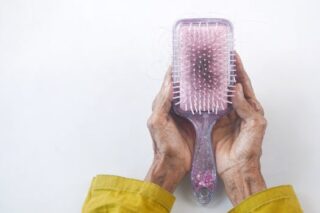
If you’re concerned about spironolactone hair loss, you’re not alone. Many individuals who take spironolactone for conditions such as hormonal acne or high blood pressure have questions about its potential side effects. While spironolactone is often praised for its benefits, it’s important to understand all aspects, including how it may affect your hair.
Understanding Spironolactone Hair Loss
Spironolactone is a medication commonly used to treat a range of conditions, including acne, high blood pressure, and heart failure. While it’s not typically associated with causing significant hair loss, some users report shedding as a side effect. This can be distressing, leading patients to wonder if spironolactone is the culprit.
In most cases, the connection between spironolactone and hair loss is not direct. Instead, hair loss can occur due to changes in hormonal levels, which spironolactone influences. These hormonal changes can sometimes lead to an increase in hair shedding during the initial periods of use. However, this is usually temporary, and many find that their hair returns to normal with continued use of the medication.
How Does Spironolactone Work?
Spironolactone is classified as a diuretic, or “water pill,” but it has a unique mechanism in that it also acts as an androgen blocker. Androgens are hormones that have been linked to conditions like acne and male-pattern baldness. By reducing excess androgens, spironolactone may help in managing these conditions. For some, this reduction in androgens can also affect hair growth.
Potential Causes of Hair Loss
There are several reasons why someone might experience hair loss while taking spironolactone:
- Hormonal fluctuations: Spironolactone affects your hormone levels, which can sometimes lead to hair thinning.
- Stress: The stress of starting a new medication or underlying stress can contribute to hair shedding.
- Nutritional deficits: Often overlooked, insufficient intake of essential nutrients can exacerbate hair loss.
Managing Spironolactone Hair Loss
If you’re experiencing hair loss while on spironolactone, there are several strategies you can consider:
- Consult Your Doctor: It’s important to speak with your healthcare provider about any noticeable side effects.
- Monitor Diet and Nutrition: A diet rich in vitamins and minerals may support hair health. Consider incorporating foods known for supporting hair health.
- Stress Management: Engage in activities that help reduce stress, such as yoga or meditation.
For more insights on how lifestyle choices can impact overall health, you can read our article on the topic here.
Seeking Professional Help
If your hair loss persists, consider consulting a dermatologist. They can evaluate whether spironolactone or other factors might be contributing to hair loss and recommend appropriate treatments. This is crucial for addressing any underlying conditions that might be hidden.
Other Options and Alternatives
If hair loss continues to be a concern, your doctor might suggest alternatives to spironolactone. These alternatives could include other medications designed to address your primary health issue without affecting your hair. Always discuss any medication changes with a healthcare provider to find the best course of action for you.
Conclusion: Spironolactone Hair Loss and Next Steps
In summary, while spironolactone hair loss is a concern for some users, it is not inevitable. By understanding the causes and exploring management strategies, many individuals can mitigate this side effect. Always consult with healthcare professionals for guidance tailored to your unique situation.
- Spironolactone may cause temporary hair loss due to hormonal changes.
- Effective management strategies include consulting your doctor and maintaining good nutrition.
- If hair loss persists, professional evaluation is recommended.
- Alternative medications may be available if spironolactone is not suitable for you.
- Always seek professional advice before making changes to your medication.
FAQs
Does spironolactone cause hair loss directly?
Spironolactone does not typically cause direct hair loss. However, hormonal adjustments related to its effects can sometimes lead to temporary shedding.
Can a change in diet help with spironolactone hair loss?
Yes, maintaining a balanced diet rich in vitamins and minerals can support overall hair health and potentially reduce hair loss.
How long does it take for hair to return to normal after spironolactone?
The time can vary depending on individual circumstances, but many users see improvement over time as the body adjusts to the medication.
Are there alternatives to spironolactone that do not affect hair?
Yes, there are alternative medications available. Consulting with a healthcare provider can help identify options that are better suited to your needs.
Where can I learn more about healthcare and medication effects?
You can explore more information on healthcare and medications on credible information platforms like the Wikipedia Health page.
Other Articles You May Find of Interest...
- Hair Restoration In Melbourne For Long Term Results
- Choosing The Right Hair Loss Treatment For Women
- Beyond the Scalpel: The Health Benefits of Choosing SMP Over Traditional Hair Transplants
- The Accidental Revolution: A Clinical History of Minoxidil
- Top Benefits of Choosing Hair Replacement Over Surgery
- Hair Transplant for Women: Causes of Female Hair Loss + Best Approaches in 2026
- Battling Bad Hairlines: Tips for Regrowth and Confidence




