






More Hair Care Articles
Battling Bad Hairlines: Tips for Regrowth and Confidence
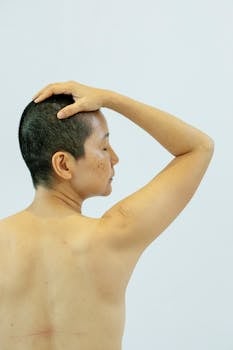
If you’re among the many individuals concerned about bad hairlines, you’re not alone. Millions of people experience this issue, whether due to genetics, stress, or health conditions. Understanding the causes and exploring options for regrowth and confidence can make a significant difference in how you manage and perceive your hairline dilemma.
Understanding Bad Hairlines
Bad hairlines can result from a variety of factors, including heredity, hormonal changes, or even lifestyle choices. For many, androgenetic alopecia, or male and female pattern baldness, is a leading cause. But fear not, as options are available to help address this issue.
Common Causes
The primary cause of bad hairlines tends to be genetic, but other factors can exacerbate the situation. Hormonal imbalances, such as those caused by pregnancy or thyroid issues, may play a role. Furthermore, stress and poor nutrition can contribute to hair weakening, leading to a receding hairline.
Regrowth Options
When it comes to tackling bad hairlines, various strategies may support hair regeneration. Hair growth shampoos and topical treatments containing minoxidil have shown promise in some individuals. Additionally, a balanced diet rich in vitamins and minerals can support stronger, healthier hair.
Medical Interventions
If topical solutions and lifestyle changes prove insufficient, medical interventions might be necessary. Procedures such as hair transplants and scalp micropigmentation have helped individuals improve their hairline. Consulting with a dermatologist or a healthcare professional can guide you to potential solutions.
Lifestyle Changes
Managing stress and improving nutritional intake can have a profound effect on both your hair health and overall well-being. Regular exercise, a well-rounded diet, and adequate hydration are essential components of a comprehensive approach to managing hairlines. For more wellness tips, check out this insightful article on healthy lifestyle habits.
Boosting Confidence
Beyond managing the physical aspects of bad hairlines, mental health and self-image play pivotal roles. Building confidence through mindfulness practices, support groups, and professional counseling can provide psychological relief and increase self-esteem, regardless of your hairline situation.
Self-Care Practices
Embrace self-care routines that make you feel good. This could be updating your hairstyle, trying new grooming products, or consulting a stylist who specializes in flattering cuts for receding hairlines.
Mental Health Support
Confidence can be reinforced by engaging in activities that boost your mood and resilience. Mindfulness meditation, yoga, and pursuing hobbies can help distract from concerns about appearance and improve your overall outlook. Engaging with a community or group experiencing similar challenges can also offer valuable support.
Professional Guidance
Engaging with mental health professionals may help address self-esteem issues arising from hairline concerns. They can offer strategies to cope and build confidence, emphasizing self-worth beyond physical appearance.
For further in-depth information, you may refer to the external resource on health and wellness.
Addressing bad hairlines holistically can improve not only your appearance but your confidence and mental well-being. Always consider speaking with a healthcare provider for personalized advice.
- Bad hairlines can result from genetics, hormones, and lifestyle factors.
- A variety of treatment options are available, from shampoos to medical procedures.
- Lifestyle changes, like improved diet and stress management, support hair health.
- Mental health and confidence building are key components in dealing with hairline issues.
- Professional guidance should be sought for tailored treatment and advice.
Frequently Asked Questions
What are the most common causes of bad hairlines?
The most common causes include genetic factors, hormonal changes, stress, poor nutrition, and certain medical conditions.
Are there effective treatments for hair regrowth?
Various treatments such as topical minoxidil, laser therapy, and hair transplants can be effective. It’s best to consult with a dermatologist for personalized advice.
Can lifestyle changes improve hair health?
Yes, maintaining a balanced diet, managing stress, and ensuring proper hydration can significantly improve hair health and prevent further hairline recession.
How can I boost my confidence if I’m self-conscious about my hairline?
Confidence can be boosted by engaging in self-care, practicing mindfulness, and possibly receiving guidance from a mental health professional.
When should I consult a healthcare provider about my hairline?
Consult a healthcare provider if you notice sudden hair loss, significant changes in your hairline, or if you wish to explore medical treatment options.
Other Articles You May Find of Interest...
- Hair Transplant for Women: Causes of Female Hair Loss + Best Approaches in 2026
- Battling Bad Hairlines: Tips for Regrowth and Confidence
- Unlocking the Secrets of Low Porosity Hair: What It Means for Your Hair Care Routine
- Natural Hair and Skin Wellness: The Power of Organic Oils and Hydrosol Sprays
- Can Adderall Lead to Hair Loss? Exploring the Connection
- What Your Scalp Is Trying to Tell You (And Why Your Shampoo May Be the Problem)
- Safe Hair Colour Options for Pregnant Women: What You Need to Know




