More Hair Care Articles
4 Simple Ways To Manage Hair Loss Without Trying
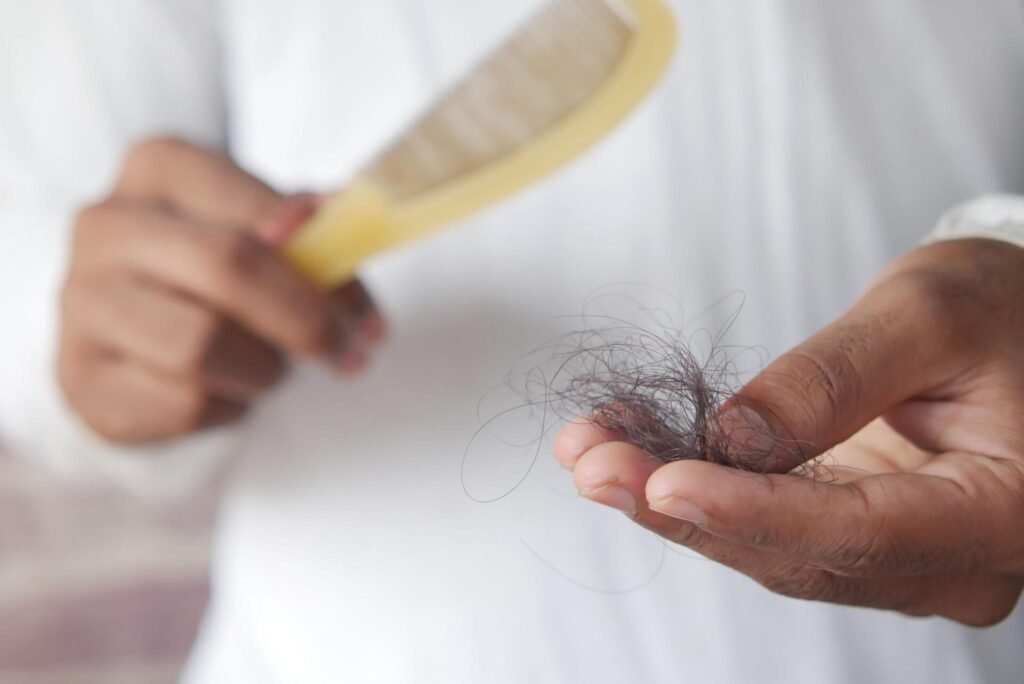
Managing medical hair loss from chemotherapy, alopecia, or another condition becomes significantly less overwhelming when you replace uncertainty with a clear early plan, and four practical steps can help you do exactly that.
Over 80 million Americans experience hair loss or thinning, so while the moment it happens can feel isolating, the experience is far more common than it appears. What makes the difference is approaching the physical changes with calm preparation rather than last-minute decisions made under pressure. Here are four simple ways to approach this journey on your own terms.
1. Understand the Cause and Timeline of Your Hair Loss
The specific cause of your shedding shapes which alternative coverage solution is appropriate and exactly when you should begin wearing it. Most cancer patients who receive chemotherapy will experience at least some hair loss during their treatment protocol.
Shedding usually begins one to three weeks after starting treatment, allowing patients a brief window to prepare. Anticipating that timeline keeps more options available and reduces the immediate emotional shock.
Regrowth for oncology patients is equally structured, as new hair generally begins forming six to eight weeks after treatment is completed. This timeframe allows you to purchase solutions designed specifically for short-term wear.
Alopecia hair solutions follow a different logic because the condition presents more variables over time. Alopecia areata causes patchy loss that may reverse itself naturally without medical intervention.
34% to 50% of those with patchy hair loss experience spontaneous recovery within a single year. These individuals might only need a small targeted topper to cover the affected area while they monitor the progression.
Androgenetic alopecia acts uniquely by following a progressive pattern that eventually demands fuller coverage strategies. A dermatologist or oncologist can map out a likely timeline during an early appointment to evaluate future risk while natural hair is still present.
2. Know When a Wig or a Topper Is the Right Fit
Wigs and toppers solve different fundamental problems, and understanding that distinction prevents an expensive mismatch. A wig covers the scalp entirely and serves as an alternative for significant or total baldness.
Wigs for chemotherapy patients remain the primary recommendation when individuals deal with advanced shedding. Meanwhile, a hair topper attaches to existing hair to create added volume specifically at the crown or along the part line.
This localized coverage works only when adequate natural hair remains strong enough to anchor clips securely. To decide between the two options, answer three specific placement and lifestyle questions before viewing products.
First, evaluate how much of the scalp needs coverage right now, noting if the loss is total, patchy, or frontal. Second, assess whether the remaining hair possesses enough density to hold a topper securely without causing traction damage.
Third, picture your daily routine to determine how activity level and climate influence your maintenance requirements. Anyone researching how to choose a natural-looking wig should prioritize construction details that mimic biological growth.
For those prioritizing visual realism and longevity, Daniel Alain’s silky human hair wigs feature hand-selected European hair and breathable cap construction. Human hair wigs generally offer greater styling flexibility than synthetic alternatives and may provide a more natural appearance for some wearers.
| Pro Tip: Answer three critical questions before deciding: How much scalp requires coverage? Is remaining hair dense enough to hold a topper? How many hours daily will you wear it? These pinpoint the right choice fast. |
3. Make Scalp Comfort a Non-Negotiable Priority
During medical hair loss, the scalp frequently becomes significantly drier, flakier, and more tender to the touch. Comfort serves as a practical daily requirement in this context rather than an optional upgrade.
Wearers who rely on cheap construction often attribute severe headaches or itching to wigs as a general category. The real culprit is usually an ill-fitting machine-made cap worn directly against highly sensitive skin.
Four specific structural elements separate a unit built for extended daily wear from one intended for occasional use. Hand-tied caps represent the most crucial feature for anyone experiencing scalp pain or heightened dermal sensitivity.
Manufacturers knot each individual strand directly to the cap base to allow multi-directional movement. This meticulous process minimizes harsh friction against a bare head compared to heavy wefted rows sewn together.
Machine-made wefted caps utilize thick seams that create pressure points when pressed against the skull for hours. Monofilament tops incorporate a sheer, breathable polymer material at the crown that mimics the visual appearance of biological tissue.
This transparent layering allows the wearer to part the hair anywhere without exposing a thick base layer beneath. Lace fronts provide an undetectable perimeter hairline that rests flat against the forehead for a highly realistic look.
This frontal attachment supports everyday confidence and styled updo looks without requiring heavy liquid adhesives. European human hair contributes directly to comfort levels because the lighter texture requires less processing and chemical build-up. Securing the exact correct head measurement prevents the unit from shifting, which eliminates the friction that causes midday irritation.
| Important: A poorly constructed wig can cause pressure spots and constant adjustment on sensitive scalps. Always look for hand‑tied caps, monofilament tops, and lace fronts with features designed specifically for comfort during medical hair loss. |
4. Prepare Questions Before Your Consultation
Medical hair loss appointments often run on short timelines or split physical care between multiple different healthcare providers. An oncologist might handle the chemical treatment timeline, while a specialized consultant addresses the physical coverage logistics.
Bringing written notes ensures neither specialist forgets your daily concerns, and these six questions cover the critical ground for an actionable consultation:
- When will the visible shedding begin, and how many weeks will it take to reach peak loss?
- Is the specific condition expected to resolve itself completely, or requires long-term continuous management?
- What category of alternative hair provides the most secure attachment for my remaining biological strands?
- Which cap materials perform best for a scalp currently undergoing intensive radiation or harsh treatments?
- Does my health insurance policy offer partial reimbursement options for items billed as cranial prostheses?
- What specialized styling tools will this exact unit require to preserve its structural integrity over time?
Dedicated professionals continually offer complimentary evaluation periods where patients can handle different unit weights directly. The timeframe matters significantly, because booking these appointments weeks ahead of changes preserves access to custom orders.
Standard shipping delays for European units can run weeks or months, leaving delayed shoppers with fewer aesthetic choices. Writing down physical dimensions, preferred colors, and lifestyle limitations on paper accelerates the initial matching process.
| Key Insight: Walking into a hair loss consultation with prepared questions transforms you from a passive patient into an informed partner, ensuring you leave with clear, actionable answers rather than vague reassurance. |
The Path Forward
Selecting a functional human hair unit before a major shedding event ensures the proper design sits comfortably in your closet today. Prioritizing premium hand-tied caps and natural European strands avoids the heavy financial friction of discarding a rigid piece later.
High-quality construction elements effectively neutralize the itching and shifting problems typically associated with cheap synthetic alternatives.
Speak with an oncologist, an attending dermatologist, or a specialized consultant before your current condition intensifies. Take the six-question inventory directly into the clinic as an initial step toward securing a realistic medical prosthesis.
Gathering technical material facts early removes the guesswork and creates a structured roadmap for the upcoming months.
| Author Profile: Daniel Alain is a manufacturer and supplier of European human hair wigs and toppers for women experiencing hair loss. |
Other Articles You May Find of Interest...
- How Many Inches Does Hair Grow in a Year?
- Hair Transplants Explained: What to Know Before Considering Surgery
- What Scalp Micropigmentation Can and Cannot Do for Visible Scalp and Hair Loss
- How Long Does Rosemary Oil Take to Grow Hair?
- How Alopecia Areata, Totalis, and Universalis Differ in Progression and Unpredictability
- Is a Hair Transplant Worth the Cost? What to Consider First
- Why Leg Hair Can Grow Curly, Kinked, or Suddenly Different