More Gastroenterology Articles
Optimal Timing for Taking Pepcid Before Drinking Alcohol
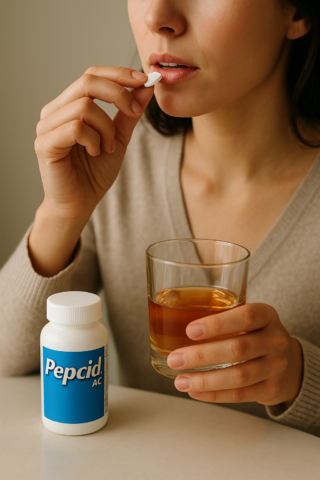
You might have heard that taking Pepcid can help manage some of the uncomfortable effects of alcohol consumption, such as heartburn or acid reflux. But figuring out the optimal timing for when to take Pepcid before drinking can feel a little tricky. Some people claim it can mitigate the “Asian flush” reaction, while others use it as a way to prevent discomfort after a night out. In this article, we’ll explore when and why you might consider taking Pepcid in relation to alcohol consumption, and provide some guidance on possible benefits and precautions.
Understanding Pepcid’s Role with Alcohol
Pepcid, also known by its generic name famotidine, is a medication that reduces stomach acid production. It’s commonly used to treat acid-related conditions like heartburn and gastroesophageal reflux disease (GERD). When people plan to drink alcohol, they sometimes take Pepcid to potentially prevent or minimize these issues. Alcohol can relax the lower esophageal sphincter (LES), increasing the likelihood of acid escaping from the stomach and causing discomfort.
When to Take Pepcid Before Drinking
The general advice is to take Pepcid approximately 30 to 60 minutes before drinking alcohol. This timing allows the medication to begin reducing stomach acid before alcohol is consumed, potentially preventing acid-related symptoms. However, it is crucial to remember that while Pepcid can help manage acid production, it doesn’t prevent intoxication or other alcohol-related effects. Always drink and take medications responsibly.
Real-World Tips for Using Pepcid with Alcohol
If Pepcid is part of your strategy to mitigate acid reflux or uncomfortable symptoms when drinking, keep these practical considerations in mind:
- Start with a low dose and observe how your body reacts.
- Avoid mixing Pepcid with other over-the-counter medications that may also lower stomach acid unless directed by a doctor.
- Remember that Pepcid does not counteract the intoxicating effects of alcohol or prevent hangovers.
Potential Side Effects to Watch
Like all medications, Pepcid may cause side effects. Commonly, people report headaches, dizziness, or constipation. For some, these side effects are mild and manageable, but if you experience anything severe, consult with a healthcare provider.
When to Seek Care
If you’re experiencing persistent or severe gastrointestinal symptoms, it may be time to seek medical evaluation. Gastroenterologists specialize in digestive issues and can help diagnose and treat conditions like GERD. If taking Pepcid before drinking doesn’t alleviate your symptoms, or if you experience significant discomfort, consider consulting with a gastroenterologist.
Understanding Personal Variation in Alcohol and Medications
Everyone’s body reacts differently to medications and alcohol. Several factors, including genetic predispositions, existing health conditions, and medication interactions, can influence these experiences. A healthcare provider can give personalized advice based on your health history.
Common Questions
What should I ask my doctor about combining alcohol and Pepcid?
Consult your doctor about safe alcohol consumption levels and any potential interactions with other medications you’re taking. Be honest about your drinking habits to get the best advice.
Can Pepcid reduce the effects of a hangover?
Pepcid does not reduce hangover effects, as these are primarily due to dehydration and alcohol’s impact on the brain. It may help some people manage acid reflux symptoms.
How does acid reflux from drinking differ from everyday heartburn?
Acid reflux after drinking is often temporary and linked directly to alcohol consumption. Chronic heartburn could indicate an ongoing condition like GERD, requiring a doctor’s evaluation.
Should I discontinue other heartburn medications to use Pepcid with alcohol?
Never stop or combine medications without consulting a healthcare provider. They can assess your specific needs and suggest a treatment plan.
Is it possible for Pepcid to stop working if taken too often before drinking?
Over time, the body can develop a tolerance to medications, potentially reducing effectiveness. If you find Pepcid less effective, discuss alternative strategies with your doctor.
For more information about medications and potential interactions, explore this comprehensive medication resource.
- Taking Pepcid before drinking may help manage heartburn symptoms.
- Consult a doctor to tailor advice to your health history.
- Pepcid doesn’t prevent the intoxicating effects of alcohol.
- Always drink responsibly and avoid high-risk medication combinations.
- Seek a gastroenterologist’s help if symptoms persist or worsen.
In conclusion, understanding when to take Pepcid before drinking can be useful for managing discomfort associated with alcohol consumption. However, if symptoms persist, it’s vital to speak to a healthcare provider.
Other Articles You May Find of Interest...
- Why You Get Stomach Bloating and Gas After Eating Meat
- Why Does Chick-fil-A Make My Stomach Hurt?
- Dr. Omar Marar on the Evolution of Modern Colorectal Surgery
- Pain Where Your Appendix Was Removed Years Ago: Possible Causes
- Why Multi-Strain Probiotics May Offer Broader Digestive Support
- What a Healthy Colon Looks Like During Colonoscopy
- A Better Digestive Rhythm: Everyday Habits for Preventing Occasional Constipation