






More Family/Primary Care Articles
Why Does My Left Side Hurt When I Cough?
By Your Health Magazine Health Information Team
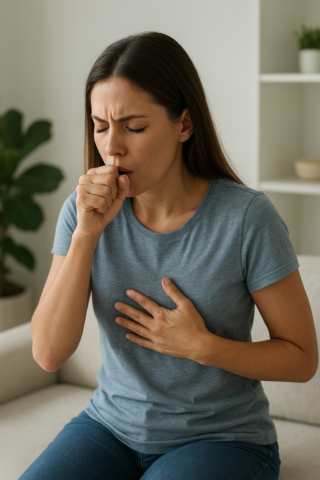
If your left side hurts when coughing, the most likely explanation is irritation or strain involving the muscles between the ribs, abdominal muscles, rib cartilage, or a bruised rib—especially after frequent or forceful coughing. However, sharp pain with breathing, fever, shortness of breath, coughing up blood, or sudden severe pain may point to a lung or heart-related problem that needs prompt medical attention.
What Can Cause Left-Sided Pain When You Cough?
Coughing rapidly contracts the chest and abdominal muscles while increasing pressure inside the chest and abdomen. That movement can expose pain from an injured muscle or rib, but it can also aggravate inflammation around the lungs.
| Possible cause | Typical clues |
|---|---|
| Muscle strain | Localized soreness after repeated coughing; pain may also occur when twisting, laughing, sitting up, or pressing the area. |
| Rib or chest-wall injury | Tenderness over a rib, sometimes following a fall, impact, severe cough, or vigorous activity. |
| Pleurisy | Sharp chest pain that becomes worse with coughing or deep breathing, sometimes with shortness of breath. |
| Pneumonia | Cough accompanied by fever, chills, fatigue, mucus, breathing difficulty, or chest pain. |
| Abdominal or flank problem | Pain below the ribs or toward the back, possibly accompanied by urinary symptoms, nausea, a bulge, or abdominal tenderness. |
| Urgent lung or heart condition | Sudden or severe pain, significant shortness of breath, fainting, sweating, chest pressure, or coughing up blood. |
Muscle and Rib Pain Are Common Explanations
A forceful cough can strain the intercostal muscles between the ribs or the abdominal muscles below them. This is more likely when you have been coughing frequently because of a respiratory infection, allergies, asthma, or another condition. The pain is often confined to one small area and may feel aching, pulling, or sharp.
Musculoskeletal pain is more likely if it also hurts when you press the spot, bend, reach, twist, sneeze, laugh, or get out of bed. A strained area may feel stiff or tender, but significant swelling or bruising suggests a more substantial injury. Severe coughing can occasionally bruise or fracture a rib, particularly in people with fragile bones.
For additional practical guidance, read these relief and recovery tips for muscle strain caused by coughing.
When the Pain May Be Coming From the Lungs
Pleurisy is inflammation of the thin tissue surrounding the lungs. It commonly causes sharp pain that worsens when you cough, sneeze, move your chest, or take a deep breath. Pleurisy is not a diagnosis by itself; it can develop with a viral illness, pneumonia, chest injury, autoimmune disease, or a blood clot in the lung. The MedlinePlus overview of pleurisy explains its symptoms and possible causes.
Pneumonia should be considered when side or chest pain occurs with fever, chills, shortness of breath, fatigue, confusion, or a cough that produces mucus. According to the CDC’s pneumonia information, chest pain while breathing or coughing is one of the condition’s possible symptoms. Pneumonia can be caused by bacteria, viruses, fungi, or, less commonly, parasites, so treatment depends on the cause and severity.
A collapsed lung can also cause sudden one-sided chest pain and shortness of breath. Another emergency possibility is pulmonary embolism, in which a blood clot blocks an artery in the lung. Symptoms may include pain with deep breathing, rapid breathing, a fast heartbeat, lightheadedness, or coughing up blood. Review the National Heart, Lung, and Blood Institute’s pulmonary embolism guidance for more information about these warning signs.
What If the Pain Is Below the Left Ribs?
Pain below the ribs can still come from a strained abdominal muscle. This becomes more likely if coughing, laughing, lifting, sitting up, or tightening your abdomen triggers the pain. A visible or palpable bulge that becomes more noticeable when coughing could indicate a hernia and should be evaluated.
Other organs can cause left-sided abdominal or flank pain, although coughing is not usually the only trigger:
- Kidney problems: Pain toward the side or back may occur with painful or frequent urination, blood in the urine, fever, chills, nausea, or vomiting.
- Spleen problems: The spleen sits under the ribs in the upper-left abdomen. Severe pain after an injury, particularly with left shoulder pain, dizziness, or weakness, requires emergency evaluation.
- Digestive conditions: Gas, constipation, reflux, or inflammation in the digestive tract may cause discomfort that becomes more noticeable as coughing increases abdominal pressure.
- Shingles: Burning, tingling, or highly sensitive pain on one side may begin before a blistering rash appears.
What You Can Do for Mild, Localized Pain
If the pain began after repeated coughing, is tender with movement or touch, and you have no warning signs, conservative care may be reasonable while monitoring your symptoms:
- Rest the painful area. Temporarily avoid heavy lifting, forceful twisting, and exercise that increases the pain.
- Support the area when coughing. Gently holding a pillow against the sore spot may reduce movement and discomfort. Do not tightly wrap or bind your chest, because this can restrict breathing.
- Try cold or warmth. A wrapped cold pack may help a recent strain, while gentle warmth may relieve later stiffness. Protect your skin from direct exposure.
- Continue breathing normally. Avoid taking only shallow breaths because of pain. If you cannot breathe deeply or cough effectively, contact a healthcare professional.
- Use nonprescription pain medicine carefully. Acetaminophen or an anti-inflammatory medicine may be appropriate for some adults when used according to the label. Ask a pharmacist or clinician first if you are pregnant, take blood thinners, or have kidney disease, liver disease, ulcers, or other medical conditions.
- Address the cough. Fluids, humidified air, and treatment directed at the cause may help. A persistent or unexplained cough should be evaluated rather than repeatedly suppressed without knowing why it is occurring.
When to Seek Care
Call 911 or seek emergency care for pain accompanied by:
- Severe or rapidly worsening shortness of breath
- Sudden, intense, or unexplained chest pain
- Chest pressure, squeezing, or heaviness, especially with sweating, nausea, dizziness, or pain spreading to the arm, jaw, shoulder, or back
- Coughing up blood
- Fainting, confusion, blue or gray lips, or severe weakness
- Sudden pain after a significant chest or abdominal injury
Contact a primary care clinician or urgent care service promptly if you have fever, chills, worsening cough, yellow or green mucus, urinary symptoms, a new rash, a noticeable abdominal bulge, persistent tenderness after an injury, or pain that is worsening or interfering with sleep and normal activity. Evaluation may include an examination, oxygen measurement, urine or blood testing, or imaging depending on the location and associated symptoms.
Because several different structures occupy the left side of the chest and abdomen, the location of the pain alone cannot establish its cause. Additional reviewed information about respiratory, muscular, digestive, and urinary conditions is available through MedlinePlus health topics. This article provides general education and is not a substitute for an examination or diagnosis from a qualified healthcare professional.
Other Articles You May Find of Interest...
- 7 Tips for choosing a Primary Care Doctor
- Fever With Chills: Why the Body Shivers as Temperature Rises
- Why One-Roof Medical and Dental Care Is Catching On
- Why Does My Left Side Hurt When I Cough?
- General Practitioner: Everything You Need To Know About Them
- When the Emergency Room Isn’t Enough
- The Secret To Good Health





