






Your Health Magazine
4201 Northview Drive
Suite #102
Bowie, MD 20716
301-805-6805
More Family/Primary Care Articles
What Really Happens Behind Every Medical Diagnosis You Receive
Most of us experience healthcare from one angle: the patient’s chair. You walk in, describe your symptoms, maybe give a blood sample, and wait for results. It feels routine. Almost simple.
But what if you knew just how much invisible work goes into that single moment when your doctor says, “Here’s what we found”?
Modern medicine runs on an extraordinary ecosystem that patients rarely see. Behind every scan, every blood test, and every accurate diagnosis sits a web of specialised technology, expert talent, and scientific equipment working in perfect coordination.
This article pulls back the curtain on the journey from symptom to diagnosis. We’ll explore who builds the tools your doctor relies on, what happens inside the labs that process your samples, and why equipment quality can make or break your results.

The Patient Experience Is Just the Surface
Think about the last time you had a medical test. Maybe a routine blood panel, an imaging scan, or something more specialised. From your perspective, it probably lasted under an hour. You showed up, a professional handled the process, and eventually your results arrived.
Simple, right? Not quite.
The device used for your scan was engineered over many years by biomedical specialists. The software interpreting the images was refined through thousands of hours of testing. The lab processing your blood operates under strict protocols with equipment calibrated to catch the smallest anomalies.
Every touchpoint in your healthcare journey represents someone’s expertise. When all those touchpoints work seamlessly, the result is what we call “good healthcare.”
The accuracy of your diagnosis, the speed of your results, the reliability of your treatment plan: all of it depends on this invisible infrastructure. Understanding it doesn’t make you a medical expert. But it does make you a more confident, informed patient.
Who Actually Builds the Tools Your Doctor Uses?
Here’s a question most patients never consider.
When a cardiologist listens to your heart with a digital stethoscope, someone designed that device. When a surgeon uses a robotic arm for a minimally invasive procedure, an entire company developed and certified that technology. When a radiologist reads your MRI, every pixel was captured by equipment that took years to engineer.
The medical device industry is one of the most important and heavily regulated sectors in healthcare. These organisations create everything from simple syringes and thermometers to complex pacemakers, imaging machines, and surgical robots.
Each product must clear rigorous safety standards before it ever touches a patient. The testing process alone can stretch over considerable time.
What makes this sector fascinating is the talent behind it. Medical device companies employ an extraordinary range of professionals. Biomedical engineers design the technology. Regulatory specialists navigate compliance frameworks. Quality assurance experts ensure every unit performs flawlessly. Field technicians maintain equipment in hospitals and clinics.
It takes a small army of specialists to bring a single device from concept to clinical use.
For patients, this should be reassuring. The equipment used during your appointments has been developed by dedicated experts, stress tested under extreme conditions, and approved through some of the strictest regulatory processes in any industry.
And the innovation never stops. Artificial intelligence, advanced materials, and miniaturised sensors are reshaping what medical devices can do. The stethoscope your doctor uses today is worlds apart from the one used a generation ago.
From Sample to Result: Inside the Laboratory
Now let’s follow something tangible: a blood sample.
You’ve had your blood drawn. The vial is labelled, sealed, and sent to a laboratory. From here, you go home and wait. But inside that lab, a remarkable process begins.
First, the sample is logged into a tracking system. In a busy lab processing hundreds or thousands of samples daily, this traceability prevents mix ups and ensures your results are yours.
Next comes preparation. Depending on the test, your blood may be separated using a centrifuge, treated with specific reagents, or stored at a controlled temperature. Each step follows standardised protocols designed to preserve sample integrity.
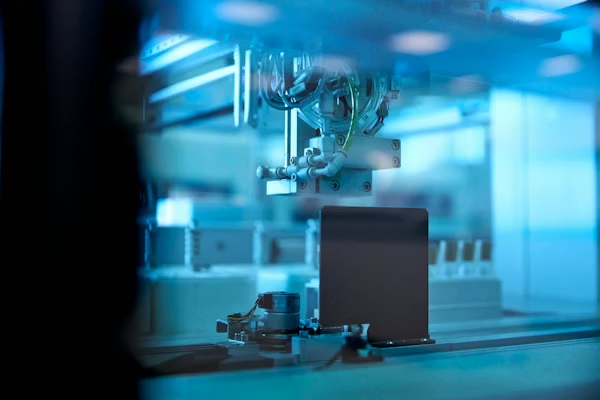
Then analysis begins. Automated analysers examine your sample for specific markers: cholesterol levels, blood cell counts, hormone concentrations, infection indicators. These machines work with extraordinary speed and precision.
Finally, the data is compiled, reviewed by a qualified pathologist, and sent to your doctor. That simple page of numbers and reference ranges? It’s the output of a sophisticated, multi stage process where accuracy at every step is non-negotiable.
If you’re curious about how diagnostic science continues to evolve, this guide to understanding medical tests is a great starting point.

Why Equipment Quality Determines Everything
Here’s something worth sitting with: your medical results are only as good as the equipment used to produce them.
A microscope lacking resolution might miss cellular abnormalities. An analyser that isn’t calibrated properly could produce skewed readings. A centrifuge with inconsistent speed might compromise sample preparation.
In medicine, these aren’t minor inconveniences. They can be the difference between catching a condition early and missing it entirely.
This is precisely why the quality of lab equipment matters so profoundly. Medical laboratories invest heavily in instruments that meet the highest standards of precision, reliability, and consistency.
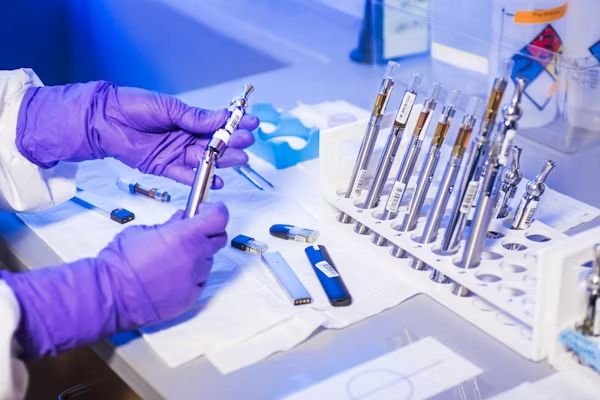
Refrigeration units store samples and reagents at exact temperatures. Spectrometers identify substances at the molecular level. Centrifuges separate blood components with pinpoint accuracy. Every piece plays a defined role in the diagnostic chain.
But purchasing quality equipment is only half the equation. Maintenance and calibration matter just as much.
Laboratories follow strict schedules for servicing instruments, running quality control checks, and replacing components before they degrade. This ongoing commitment to equipment integrity ensures your results are trustworthy every time.
The relationship between equipment quality and patient outcomes is direct. Labs using well maintained, high quality instruments produce more accurate results, catch abnormalities more reliably, and contribute to better clinical decisions overall.
For patients, this translates into something very practical: confidence. When your doctor shares your results, you can trust that the information is grounded in sound science and reliable technology.
How All the Pieces Fit Together
The most impressive thing about modern healthcare is how seamlessly these elements connect.
Medical device manufacturers create the tools. Laboratories invest in precision equipment. Skilled professionals operate and maintain everything. Regulatory frameworks ensure every component meets strict safety and performance standards.
When you sit in that patient’s chair and receive a diagnosis, you’re experiencing the end result of this entire chain working in harmony.
The device that scanned your body was built by specialists who spent considerable time perfecting it. The lab that analysed your sample used instruments calibrated to detect the tiniest variations. The professionals involved at every stage brought training and expertise to ensure nothing slipped through.
Modern medicine isn’t just about the doctor in front of you. It’s about the vast, interconnected system supporting them. A system most patients never see but benefit from every single day.
What Informed Patients Can Do Differently
Understanding the healthcare ecosystem isn’t just interesting. It’s empowering.
Ask about the technology being used during your examinations. Most professionals are happy to explain their tools and why they chose them. This helps you understand the accuracy of the process.
Don’t hesitate to inquire about how your samples are handled. Knowing that a lab follows strict protocols and uses quality instruments should give you peace of mind. If something feels unclear, seek clarification.
Stay curious about medical innovation. The sector evolves constantly. Staying informed means you can take advantage of new technologies and diagnostic methods as they emerge.
Remember that good healthcare is a collaboration. The best outcomes happen when informed patients work with skilled professionals supported by excellent technology.
A System Built on Precision and Trust
Next time you visit a clinic, undergo a test, or receive results, take a moment to appreciate the system working behind the scenes.
From the engineers designing medical devices to the technicians maintaining laboratory instruments, every person and every piece of equipment plays a part in protecting your health.
Modern medicine is far more than what happens in the consultation room. It’s an intricate ecosystem where innovation, quality, and expertise converge to deliver the best possible care.
Now that you’ve seen behind the curtain, you can engage with that system as a truly informed participant. Your health deserves nothing less.
Other Articles You May Find of Interest...
- Why UK Travellers Often Ignore Their Health Until They Return Home
- The Confidence Trap: UK Travelers Underprepare for New Trips
- Optimal Heart Rate Variability: What Your HRV Chart by Age Reveals
- What Is the Normal Calcium Score for Your Age?
- Normal CK Levels: What Should You Expect at Different Ages?
- Navigating the 99202 CPT Code: Insights for Healthcare Professionals
- How Long Does an Ear Infection Last? Timeline, Recovery, and Treatment




