






More COVID-19 Articles
Is Sneezing a Possible Symptom of COVID-19?
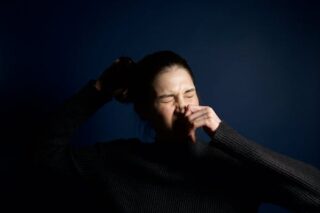
During the global COVID-19 pandemic, people have become vigilant about understanding and recognizing the symptoms associated with the virus. One common inquiry is whether sneezing is a symptom of COVID-19. While sneezing isn’t considered a primary symptom of the virus, including sneezing in our health vocabulary can help differentiate COVID-19 from other similar illnesses.
Below, we will explore how sneezing fits into the symptomatology of COVID-19, the distinctions between COVID-19 symptoms and those of other respiratory illnesses, and what you can do if you experience symptoms.
Is Sneezing a Symptom of COVID-19?
According to health experts, sneezing is not prominently listed among the core symptoms of COVID-19. The main symptoms of COVID-19 include fever, cough, and shortness of breath. That said, it is crucial to consider sneezing in the context of the full suite of symptoms, especially as we enter cold and allergy seasons.
Sneezing is more commonly associated with allergies or common colds, and not as frequently with COVID-19. Since COVID-19 is primarily spread through respiratory droplets, the presence of sneezing alongside other symptoms could still warrant caution and testing.
Understanding COVID-19 Symptoms vs. Other Illnesses
Common symptoms of COVID-19 are fever, dry cough, and fatigue. However, COVID-19 can present a diverse range of symptoms, making it challenging to distinguish from the flu or a cold. Other symptoms may include loss of taste or smell, difficulty breathing, and body aches. In comparison, common colds are characterized by sneezing, runny nose, and nasal congestion, while the flu often involves a more severe presentation of high fever and body aches.
Sneezing in the Context of Allergies and Respiratory Illnesses
Sneezing is often accompanied by a runny or itchy nose, common indicators of allergies or non-COVID-related respiratory infections. Allergies specifically can include symptoms like itchy eyes and throat, primarily due to external allergens such as pollen.
It’s important to monitor the full range of possible COVID-19 symptoms and consult with healthcare professionals if there are concerns, as they are equipped to offer personalized guidance. Visit our article on functional medicine for more holistic approaches to healthcare management.
When to See a Healthcare Provider
If you experience symptoms that align with COVID-19, especially if you’ve been in contact with a confirmed case or are in an area with high transmission, it is wise to seek medical advice. COVID-19 testing can provide confirmation and should be pursued if advised by a healthcare provider.
Awareness of symptom overlap among different illnesses is vital for effective diagnosis and treatment. Clinicians often consider the patient’s comprehensive history and symptom duration when determining the likelihood of COVID-19 versus another condition.
Recommendations for Self-Care and Monitoring
For individuals experiencing mild symptoms such as sneezing, self-care measures can be effective. These include rest, hydration, and potentially symptom-specific treatments like antihistamines for allergies. However, if COVID-19 symptoms are suspected, self-isolation and testing are important to prevent potential spread.
Taking proper precautions, such as wearing masks, washing hands, and maintaining physical distance in public settings, remains critical in mitigating COVID-19 transmission, even in environments where sneezing due to seasonal allergies is common.
External Resources for Further Information
For more comprehensive information on COVID-19 symptoms and guidance on what to do, consider reading materials from trusted sources like health organizations. A great resource is the Wikipedia page on health, which offers general knowledge about managing health and illnesses.
Staying informed from credible sources ensures you’re using the latest, evidence-based data to guide your healthcare decisions.
- Cough, fever, and shortness of breath are primary COVID-19 symptoms.
- Sneezing is more common in allergies and colds than in COVID-19.
- Distinguishing between symptoms of COVID-19, flu, and allergies is important.
- If you suspect COVID-19, seek testing and follow public health protocols.
- Consult healthcare providers for personalized health guidance.
FAQ
Is sneezing a definitive symptom of COVID-19?
No, sneezing is not a definitive symptom of COVID-19. It’s more commonly associated with allergies and colds.
What are the key symptoms of COVID-19?
The key symptoms include fever, dry cough, fatigue, and shortness of breath.
Should I get tested if I only have sneezing symptoms?
If sneezing is accompanied by other COVID-19 symptoms or if you’ve been in contact with a confirmed case, testing may be advisable.
How can I differentiate between COVID-19, the common cold, and flu?
The severity and combination of symptoms, such as high fever and fatigue for flu, versus sneezing and runny nose for a cold, can help differentiate them.
What steps can I take for self-care if I’m sneezing?
For sneezing due to allergies or a mild cold, rest, hydration, and appropriate over-the-counter treatments can be helpful. Consult a healthcare provider for persistent or severe symptoms.
Other Articles You May Find of Interest...
- Coping with Covid Back Pain: Strategies for Relief and Recovery
- The Benefits of Using a Simple Face Mask for Oxygen Therapy
- Navigating the Benefits of Long-Term Acute Care Hospitals
- The Benefits of Using a Partial Rebreather Mask for Enhanced Breathing Support
- Is Your Nasal Mucus Yellow or Green? Understanding COVID-19 Symptoms
- Is Sneezing a Possible Symptom of COVID-19?
- PCR vs. Rapid Antigen COVID Tests: What Are the Key Differences?




