Your Health Magazine Contributor
4201 Northview Drive
Suite 102
Bowie, MD 20716
More Consumer Health Guides Articles
Medical vs. Recreational Cannabis: Why Patients Still Face Barriers
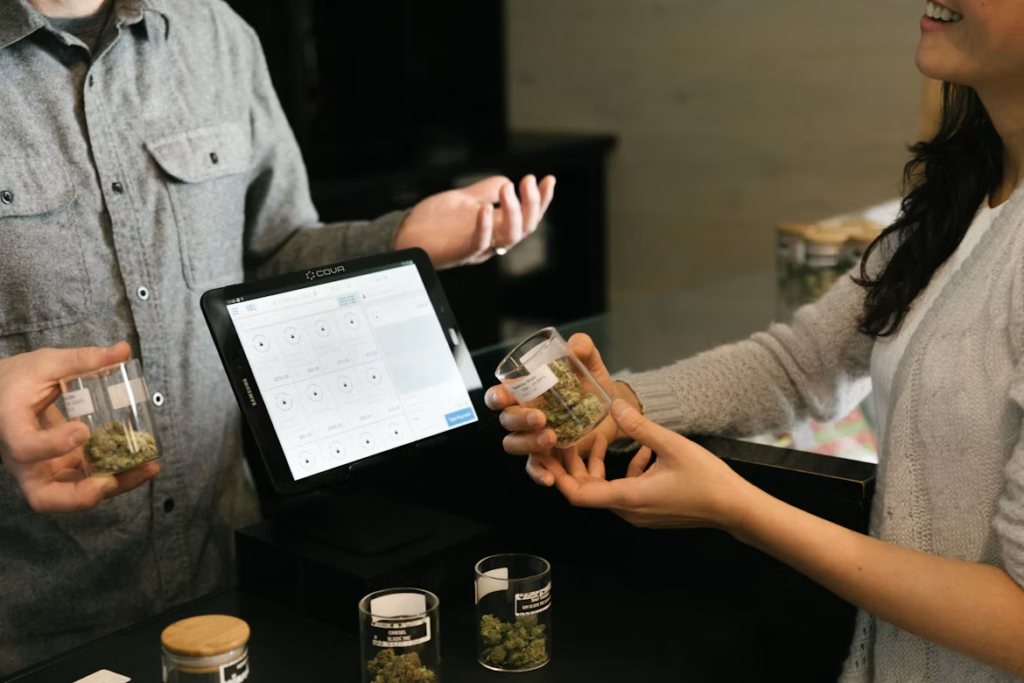
Cannabis is easier to buy than it used to be. In fact, according to the National Conference of State Legislatures, 41 states and D.C. now allow medical marijuana use. Also, 24 states plus D.C. allow it for adult recreational use.
But if you rely on medical cannabis for pain, sleep, or another health concern, you know it’s not that simple. True, over 54% of American adults now live in a state where adult-use cannabis is legal. However, accessibility for casual users is a lot different from access for people who depend on it to manage health conditions.
The question now is, if buying cannabis is easier than ever, why do people who need it for health reasons still struggle to get it?
Difference Between Medical and Recreational Cannabis
Let’s start by differentiating between using medical and recreational cannabis. Put simply, recreational users generally buy cannabis for personal enjoyment, while medical users seek relief from a specific health problem. Both buy cannabis for personal use, but the end goal is where accessibility starts to change.
And there are millions of people on the medical side of the equation. The Marijuana Policy Project puts the number at roughly 3.69 million registered patients.
People who need cannabis for medical reasons typically have extra steps to deal with. They might need a doctor’s recommendation or certification to qualify for the medical program. They may also need professional guidance to find the right product and dose.
But there’s actually a bright side. Some states offer medical cannabis patients benefits like lower taxes, higher purchase limits, or access to products and programs that recreational consumers can’t use. However, these rules vary considerably.
Why Getting Medical Cannabis Isn’t Always Easy
As already mentioned, to get cannabis for medical reasons, you’ll have to clear some hurdles. The first is finding a doctor who’s willing and qualified to certify you for medical marijuana use. Not every primary care doctor can do this. You’ll likely need to look for specialists, read reviews, and make lots of calls.
Some states also require that the first consultation happen in person. Florida is one example of a state where this happens. It used to be that you could do a virtual consultation to get certified for medical marijuana use in Florida, but that changed in July 2023 when Senate Bill 136 was passed. You can still use telehealth consultation to renew your Florida medical card online.
Cost is another hurdle, and it affects quite a lot of patients. In fact, in a 2024 survey from New York, 49% of medical cannabis patients called it a barrier. That gives you an idea of how much harder getting treatment can be.
How Recreational Legalization Affects Medical Cannabis Patients
If there’s another factor that may be affecting access and availability of medical marijuana outside of state laws, it’s recreational cannabis.
When a state opens the door to recreational sales, the money and energy often flow there. The next logical step is for dispensaries to stock the products that sell fastest. And it’s not just about products.
A 2024 survey in the Journal of Psychoactive Drugs found that many medical cannabis users felt lawmakers paid more attention to them before recreational marijuana was legalized. As much as 62% felt that lawmakers paid them less attention.
Don’t take this the wrong way. Legalizing recreational cannabis is a good thing overall. But medical patients shouldn’t get lost in the excitement. Many of them were fighting for legal access long before recreational cannabis became trendy.
Why Your Medical Marijuana Card Matters
A medical marijuana card is probably the most important item you can have as someone who uses cannabis for medical purposes. Depending on state laws, you may be able to enjoy certain benefits, which we mentioned earlier.
No less important is that your card gives you some form of formal connection to the medical marijuana registry program. While these programs generally focus on registration, eligibility, and program rules, some, like Hawaii’s Medical Cannabis Registry Program, can refer people to Hawaiʻi CARES for crisis counseling.
Florida is another example that shows the importance of the medical card. Recreational cannabis isn’t legal there yet, so if you want legal access, you need to be registered as a patient.
The state’s registration fee is fairly straightforward. In Florida, the medical marijuana card online price is $75. However, you’ll also need to pay your doctor for the physical examination and certification.
Thankfully, there are lots of platforms, including MedCard, that can point you in the right direction, especially when it comes to finding doctors.
What Needs to Change to Improve Medical Cannabis Access?
Medical cannabis access needs to become less stressful, and the good news is that a few changes could help:
- Make consultations easier to access
- Help more doctors understand medical cannabis
- Make applications and renewals less stressful
- Ensure dispensaries serve patients, not just recreational consumers
- Give patients clear information about products, side effects, and responsible use
Cost is another important factor. Remember that New York survey we referenced earlier? 49% of patients said they didn’t have enough money to afford all the products they needed to manage their symptoms. Better access also means making medical cannabis affordable and easier to navigate.
Quick Summary: Challenges and What Helps
The table below summarizes the challenges most medical marijuana users face and what can be done to change things.
| Challenge | What Helps |
| Hard-to-find doctors | More cannabis-informed providers |
| High consultation and renewal costs | Affordable, but regulated telehealth options |
| Complex paperwork | Simpler, less stressful processes |
| Recreational focus | Patient-first dispensary support |
| Product confusion | Clear, trusted guidance |
FAQs
How do I access medical cannabis?
By meeting the qualifying conditions for your state. Every state sets its own lists of qualifying conditions, but you’ll typically find issues like chronic or severe pain, epilepsy, multiple sclerosis, PTSD, and more.
Do I need a medical marijuana card if recreational cannabis is legal in my state?
Not necessarily. A medical card may have benefits like tax savings, higher purchase limits, or access to medical-specific products and programs. You will have to be certified by a qualified doctor, however, before you can get a card.
Can I renew my medical marijuana card online?
In some states, yes. In Florida, for example, certifications can be renewed through telehealth consultations, but for your first certification, you must pass through an in-person examination.
Final Thoughts
Getting medical marijuana shouldn’t feel like a second job. If you’re already managing a health condition, the last thing you need is a system that makes you jump through hoops. The good news is that cannabis laws are moving in the right direction. The patient experience, though, still has some catching up to do. Better laws, informed doctors, and patient-first dispensaries can make a real difference.
Other Articles You May Find of Interest...
- How to Find a Licensed Cannabis Dispensary in New York: A Consumer Safety Guide
- Medical vs. Recreational Cannabis: Why Patients Still Face Barriers
- Dr. Mohan: How to Identify the Doctor You Are Looking For
- What Is the Relationship Between Nutrient Management and Cannabis Flushing?
- Finding a Doctor in a New City: A Practical Guide to Organizing Your Search
- How to Spot a Fake or Recycled Lab Report
- Can’t Find a Specialist Near You? Here’s How to Explore Your Care Options