Your Health Magazine Contributor
4201 Northview Drive
Suite 102
Bowie, MD 20716
More Consumer Health Guides Articles
Blocked Toilets and Health Risks: What to Do Before a Drainage Problem Gets Worse
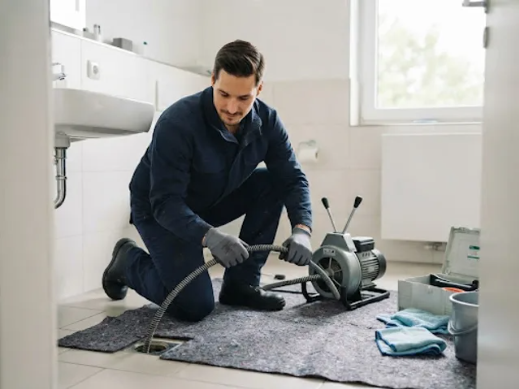
A blocked toilet may begin as a household inconvenience, but it can become a sanitation problem if wastewater rises, overflows, or backs up into other fixtures. Once contaminated water reaches floors, walls, clothing, towels, or other surfaces, the concern is no longer simply getting the toilet to drain. Preventing exposure and limiting the spread of contamination become the priorities.
The first response should be simple: stop flushing, keep people and pets away from any wastewater, and determine whether the problem appears limited to one toilet or involves a larger part of the drainage system.
The German phrase Klo verstopft, meaning “blocked toilet,” describes a problem that can have several causes. An obstruction may be located close to the toilet itself, but recurring backups, unusual drain noises, or problems affecting several fixtures can indicate a restriction farther along the wastewater line.
Stop Flushing If the Water Is Rising
If the toilet bowl is already unusually full, do not flush again. Repeated flushing can add more water to the bowl without clearing the obstruction, increasing the chance of an overflow.
Allow the water level to settle and watch whether it slowly drains. A gradual decrease may indicate a partial obstruction. If the level remains high, rises again after flushing, or the toilet repeatedly backs up, further attempts to force water through the line may make the situation worse.
Check nearby sinks, showers, tubs, and other toilets as well. If several fixtures are draining slowly or making gurgling sounds at the same time, the problem may extend beyond the toilet trap into a larger branch or main drainage line.
Why a Toilet Backup Can Become a Health Concern
Wastewater can contain microorganisms and contaminants from human waste. When a toilet overflows, those contaminants can spread beyond the fixture and reach flooring, grout, rugs, towels, cabinets, shoes, cleaning equipment, and other surfaces.
The risk depends on what has backed up and how extensive the contamination is. A small amount of clean water released before waste enters the bowl is very different from sewage or wastewater coming back through a drain.
Direct contact with contaminated wastewater should be avoided whenever possible. Children, pets, older adults, and people with weakened immune systems should be kept away from the affected area until it has been cleaned appropriately.
Warning Signs of a Deeper Drainage Problem
A toilet blockage is not always an isolated event. Signs that the obstruction may be farther inside the drainage system include:
- Water draining more slowly than usual
- Gurgling sounds from toilets or drains
- Persistent wastewater or sewer odors
- A blockage that returns soon after being cleared
- Several drains working poorly at the same time
- Water backing up into another fixture
- Repeated rises in toilet-bowl water after flushing
Recurring problems deserve particular attention. Clearing the immediate blockage may restore flow temporarily without removing a deeper restriction or identifying a damaged section of pipe.
Keep People and Pets Away From Overflow Water
If wastewater reaches the floor, avoid walking through it unnecessarily and keep pets out of the area. Shoes and paws can carry contamination into other rooms.
Wash hands thoroughly after any cleanup activity, even when gloves were worn. Clothing or washable items that have contacted wastewater should be handled separately from clean household items until they can be properly cleaned.
Large sewage backups, contamination of porous building materials, or wastewater that has spread over a substantial area may require professional cleanup rather than ordinary household wiping and mopping.
Be Careful With Chemical Drain Cleaners
Strong chemical drain cleaners may seem like a quick response, but they are not appropriate for every toilet blockage. They may fail to remove solid obstructions, and introducing caustic chemicals into standing toilet water can create an additional exposure hazard if the bowl later overflows or a technician has to work on the line.
Different products can also react unpredictably when mixed. Do not combine drain cleaners, bleach, acids, or other household chemicals in an attempt to clear a blockage.
When a toilet is completely blocked, repeatedly backs up, or appears to be part of a larger drainage problem, mechanical clearing is generally more appropriate than continuing to add chemicals to the system.
Mechanical Spiral or High-Pressure Cleaning?
Professional drain cleaning can use different methods depending on the location and type of obstruction.
A mechanical drain-cleaning spiral can be used to penetrate or break up certain solid obstructions in smaller wastewater lines. Different attachments may be selected depending on what is believed to be restricting the pipe.
High-pressure water cleaning works differently. Water is directed through the pipe to remove accumulated material along a longer section of the drainage line. This method may be useful when deposits such as grease, sludge, or other buildup are contributing to restricted flow.
No single cleaning method is appropriate for every blockage. Pipe diameter, condition, accessibility, and the suspected cause of the obstruction all affect which approach is suitable.
When a Camera Inspection May Help
If the same toilet or drain repeatedly blocks after being cleared, simply removing the immediate obstruction may not explain why the problem keeps returning.
A pipe camera can sometimes help identify conditions such as persistent buildup, damaged pipe sections, displaced joints, foreign objects, or other restrictions that cannot be evaluated from the toilet bowl itself.
Finding the underlying cause is particularly important when backups have occurred more than once, because repeated wastewater overflows create repeated opportunities for household contamination.
When to Call a Professional
Professional assistance is reasonable when basic measures do not restore normal drainage or when signs point to a deeper problem.
Consider professional assessment if:
- The toilet remains blocked after reasonable attempts to clear it
- Water repeatedly rises after flushing
- Several drains are affected
- Wastewater backs up into another fixture
- Persistent gurgling or sewer odors occur
- The same blockage keeps returning
- You suspect an obstruction deeper in the drainage system
- Wastewater is already overflowing into the home
If an overflow is extensive, stopping the source and protecting people from exposure should take priority over trying multiple do-it-yourself clearing methods.
What Does Professional Drain Cleaning Cost?
Drain-cleaning prices vary according to the location of the obstruction, accessibility of the pipe, the equipment required, the length of line that must be cleared, and whether additional inspection is necessary.
For readers comparing German service pricing, Rohrreinigung ab 89 € means “drain cleaning from €89.” An advertised starting price should not be interpreted as a guarantee that every blockage will cost that amount. The final price can depend on the specific problem and the work required to restore normal drainage.
Before authorizing service, consumers can ask what the quoted price includes, whether additional equipment could increase the cost, and whether the total price will be confirmed before additional work begins.
What to Do After a Wastewater Overflow
Once the blockage has been corrected, the affected area still needs attention if wastewater escaped from the toilet or another drain.
Remove people and pets from the contaminated area while cleanup is underway. Disposable gloves and other appropriate protective equipment can reduce direct contact with contaminated material. Hard, nonporous surfaces should be cleaned and disinfected using products according to their label directions.
Porous materials are more difficult to disinfect completely. Rugs, padding, upholstered items, drywall, or other absorbent materials that have been heavily contaminated may require more extensive cleaning or replacement depending on the severity of the exposure.
Do not mix cleaning chemicals during the process. Ventilate the area when appropriate and follow the safety instructions for any disinfectant or cleaning product being used.
Preventing the Next Blockage
Not every blockage can be prevented, but several habits can reduce unnecessary stress on household drainage systems.
- Do not flush wipes, paper towels, sanitary products, or other materials that are not intended to be flushed.
- Pay attention to drains that gradually become slower instead of waiting for complete blockage.
- Investigate recurring toilet problems rather than repeatedly clearing the same obstruction.
- Do not use repeated doses of harsh chemicals as a substitute for identifying a persistent drainage problem.
- Address unusual gurgling, odors, or backups involving several fixtures before they develop into a larger overflow.
Final Thoughts
A blocked toilet is usually manageable when the obstruction is identified and corrected before wastewater escapes into the home. The situation becomes more important from a health standpoint when sewage backs up, contaminated water reaches household surfaces, or the same drainage problem repeatedly returns.
Stop flushing when the bowl is rising, keep people and pets away from overflow water, avoid mixing chemical drain cleaners, and pay attention to signs that the obstruction may be deeper in the drainage system.
Simple blockages may sometimes be resolved with basic measures, but recurring or extensive problems are better assessed professionally. The goal is not only to restore drainage, but also to prevent wastewater exposure and reduce the chance of another unsanitary backup.
Other Articles You May Find of Interest...
- Best Earrings for New Ear Piercings: Materials, Fit, and Style
- How Product Packaging Impacts Consumer Health and Safety
- Finding an Emergency Plumber Near Me: Protecting Your Home and Health During a Plumbing Emergency
- Top 3 Plumbing Leak Repairs That Every Homeowner Should Master
- Hydrojet Drain Cleaning: Essential Maintenance Guide for Homeowners
- How Timely Garbage Disposal Repair Service Prevents Kitchen Disasters
- How Timely Sewer Drain Line Repair Prevents Costly Damage