






Your Health Magazine
4201 Northview Drive
Suite #102
Bowie, MD 20716
301-805-6805
More Complementary & Integrative Healthcare Articles
Why People Use Cold Plunge Chillers
Cold plunge chiller has been around for a long time, especially in sports recovery. What’s changed in recent years is that more people are trying it at home.
The tricky part isn’t getting into cold water — it’s keeping the temperature there. Ice melts fast, and the amount you need can quickly become inconvenient. That’s usually the point where people start looking at chillers.
A cold plunge chiller keeps the water cold in a much more controlled way, so the experience stays consistent from one session to the next.

What Makes Them Useful
Keeps the Temperature Stable
With ice baths, the temperature constantly rises as the ice melts. A water chiller keeps the water within a set range instead of fluctuating. Many systems can cool down to around 39°F (4°C), which is where most cold plunge users like to be.
You Don’t Need Bags of Ice
After a few sessions, most people realize how much ice a tub actually requires. A cold plunge chiller removes that step. Set the temperature once and the system handles the rest.
Water Stays Clear Longer
Higher-end units circulate the water through a filter. This removes small debris that naturally ends up in the tub.
Less Maintenance
Because the water is moving and filtered, it generally stays usable longer. That means fewer water changes and less day-to-day effort.
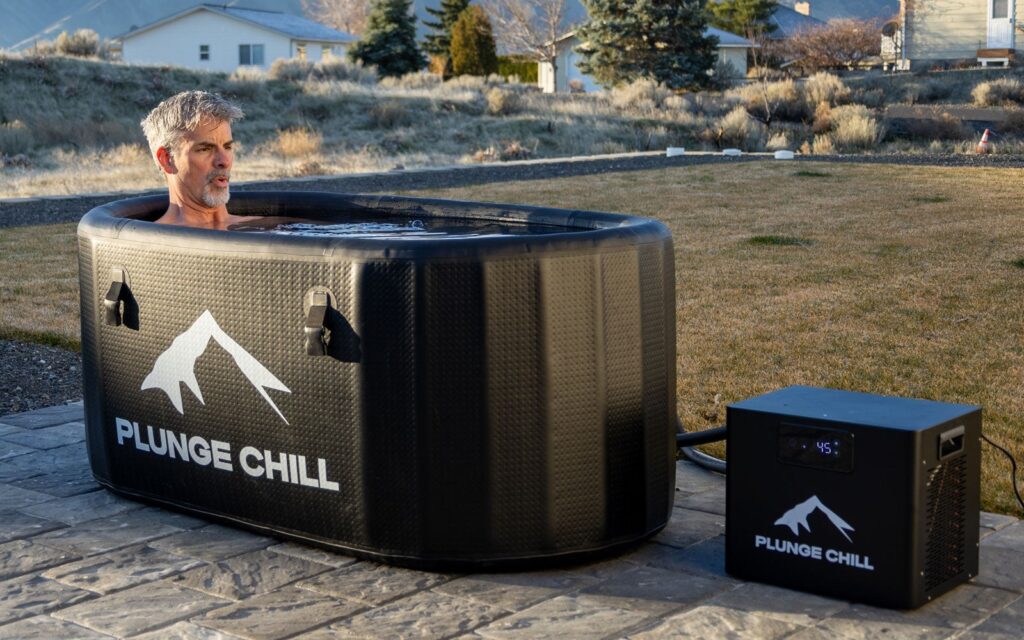
Picking the Right Chiller for Your Setup
One thing that surprises new buyers is how much tub size matters.
A small tub with 80 gallons of water is very different from a large plunge with 150 or 200 gallons. If the cooling power is too low, reaching the target temperature can take a long time.
Where you place the tub also plays a role. Indoor setups are easier to control, while outdoor plunges in warm weather usually need stronger cooling.
Another factor is how often you plan to use it. Occasional use is very different from daily recovery after training.
Energy use and the budget are also crucial. Higher-powered chillers consume more electricity but cool more quickly. A mid-range chiller could be better appropriate for indoor or sporadic use.
If You’re New to Cold Plunging
Most people don’t stay in for long at first.
A couple of minutes is usually enough for beginners, and tolerance builds gradually over time. Some people extend their sessions later, but starting short tends to work better.
Proper breathing is key: At first, the body may respond with quick, shallow breaths. Slow, deep breathing helps reduce heart rate and tension, improving comfort and tolerance during the cold plunge.
Anyone with heart conditions or other health concerns should check with a medical professional before trying cold immersion.
Tips and Science Insights: Cold plunging not only makes your muscles feel relaxed but also clears your thoughts and promotes attentiveness. Just a few minutes of immersion can boost blood circulation, alleviate discomfort, and induce endorphin release, leaving you feeling invigorated and focused. Using a cold plunge chiller guarantees the water stays steady and safe every time, so you can enjoy an effective and hassle-free recovery without continually adding ice.
Popular Cold Plunge Chiller Brands
· Penguin Chillers
· American Chillers
· Renu Therapy
· Glacier Pool Coolers
· RevX Wellness
· Desert Plunge
People Also Ask
How cold should a cold plunge be?
Most people prefer a range between 39°F and 55°F depending on tolerance.
Do you really need a chiller for a cold plunge?
Not always, but a chiller makes it much easier to maintain a consistent temperature without constantly adding ice.
How long does it take to cool the water?
Depending on the tub size and the chiller power, it usually takes several hours to reach the target temperature.
Other Articles You May Find of Interest...
- Natural Minerals to Prevent Bruising and Promote Healing
- Exploring the Benefits of SIMV Ventilation for Improved Patient Care
- Mastering the Weber Examination: Key Insights for Accurate Diagnosis
- Navigating the World of Non-Reactive Health Indicators
- Unlocking the Secrets of Manjuro for Optimal Health Benefits
- The Surprising Health Impacts of Blue Dye in Your Food
- Head Spa, Lymphatic Drainage, and the Brain–Body Connection




