






Your Health Magazine
4201 Northview Drive
Suite #102
Bowie, MD 20716
301-805-6805
More Complementary & Integrative Healthcare Articles
Why Integrated Healthcare Models Are Becoming the Future of Patient-Centered Care
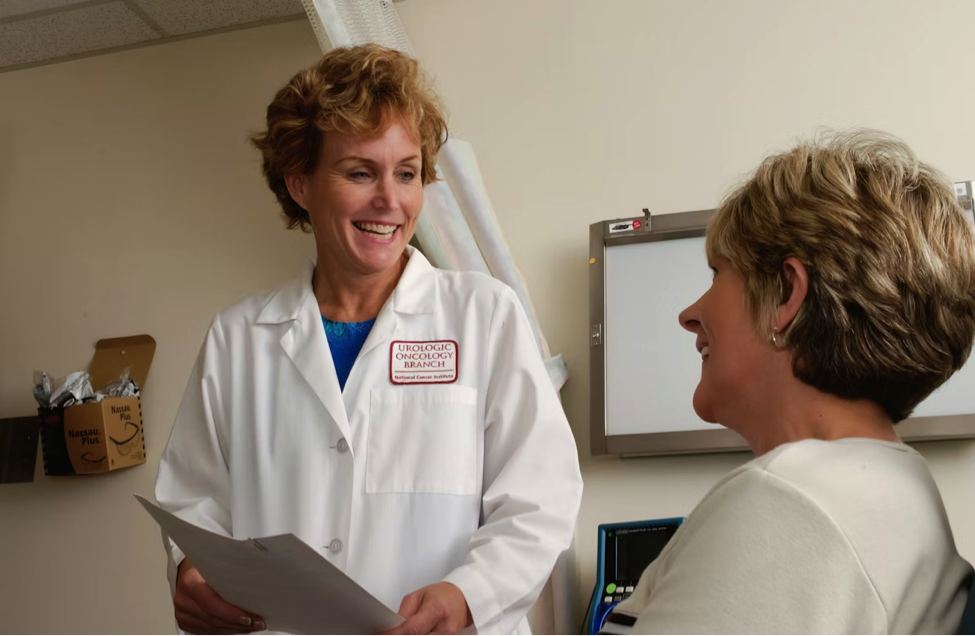
Healthcare systems around the world are undergoing a meaningful shift toward models that place the patient at the center of every decision. Rather than treating conditions in isolation, integrated healthcare focuses on collaboration, continuity, and a deeper understanding of individual needs, which is why many people are now turning to Back To Health Clinics as part of a more connected care journey. This approach reflects a growing recognition that long term wellbeing depends on how effectively healthcare professionals work together. As patient expectations evolve, integrated care is emerging as a practical and sustainable response to modern health challenges.
Understanding the Rise of Integrated Healthcare Models
Integrated healthcare models bring multiple health disciplines together under a unified framework, enabling patients to receive coordinated care rather than fragmented services. This structure improves communication between practitioners, reduces duplication, and ensures that treatment plans align with a patient’s overall health goals. As healthcare becomes more complex, this coordination is no longer a luxury but a necessity.
Another reason for the rise of integrated care is the increasing prevalence of chronic conditions that require ongoing management rather than one-time interventions. Patients often need support across physical, mental, and lifestyle areas, but traditional systems struggle to provide it efficiently. Integrated models are designed to address these realities by enabling seamless transitions between care settings.
Why Integrated Care Improves the Patient Experience
From a patient perspective, integrated healthcare simplifies what can otherwise be an overwhelming process. Instead of navigating multiple providers independently, patients benefit from a structured pathway where care teams share information and align treatment decisions. This creates a sense of trust and clarity, directly improving patient confidence and engagement.
Integrated models also support stronger therapeutic relationships by allowing practitioners to understand the full context of a patient’s health. When care teams collaborate, they can identify underlying issues that might be missed in isolated consultations. This leads to more accurate assessments and treatment plans that feel genuinely personalized.
The Role of Collaboration in Better Health Outcomes
Collaboration is the foundation of integrated healthcare and one of its most significant advantages. When professionals from different disciplines work together, they bring diverse perspectives that enhance clinical decision-making. This collaborative environment encourages proactive care rather than reactive treatment.
Over time, this approach has been shown to support better health outcomes through earlier intervention and consistent follow-up. Patients are less likely to fall through the cracks because responsibility is shared across a coordinated team. As a result, integrated care models deliver more sustainable health improvements than short-term fixes.
How Integrated Models Support Long Term Wellness
Integrated healthcare emphasizes prevention and long-term wellness rather than focusing solely on symptoms. By considering physical health, mental wellbeing, and lifestyle factors together, care teams can address root causes instead of isolated complaints. This holistic perspective aligns closely with patient-centered values and modern health expectations.
Long-term wellness is also supported by continuity of care, which integrated models prioritize. Patients benefit from consistent messaging, aligned treatment goals, and a clear understanding of their health journey. This consistency reduces confusion and empowers patients to take an active role in maintaining their wellbeing.
The Future of Patient-Centered Healthcare
As healthcare systems adapt to changing demands, integrated models are becoming a blueprint for future care delivery. Patients increasingly value convenience, transparency, and personalized attention, all of which are core features of integrated healthcare. These models directly address the need for more human-centered, efficient health services.
Looking ahead, integrated healthcare is likely to continue expanding as technology, collaboration, and patient expectations align. Clinics that embrace this approach are better positioned to deliver meaningful care experiences while supporting long-term health outcomes. In this evolving landscape, integrated care is not just a trend but a reflection of what patient-centered healthcare truly means.
Other Articles You May Find of Interest...
- Everything You Need to Know Before Your 500-Hour YTT in Rishikesh
- Unlocking the Secrets of Light’s Criteria in Health Assessments
- Effective Ways to Achieve a Natural Parasite Cleanse for Better Health
- Unlocking the Health Benefits of Reishi for a Better You
- The Surprising Benefits of Holding Salt Under Your Tongue
- THCA Flower vs THC Flower: What’s The Difference?
- What Is IV Therapy and How Does It Support Overall Wellness?



