






Your Health Magazine
4201 Northview Drive
Suite #102
Bowie, MD 20716
301-805-6805
More Complementary & Integrative Healthcare Articles
When Is Medical Cannabis Considered a Legitimate Part of Patient Care?
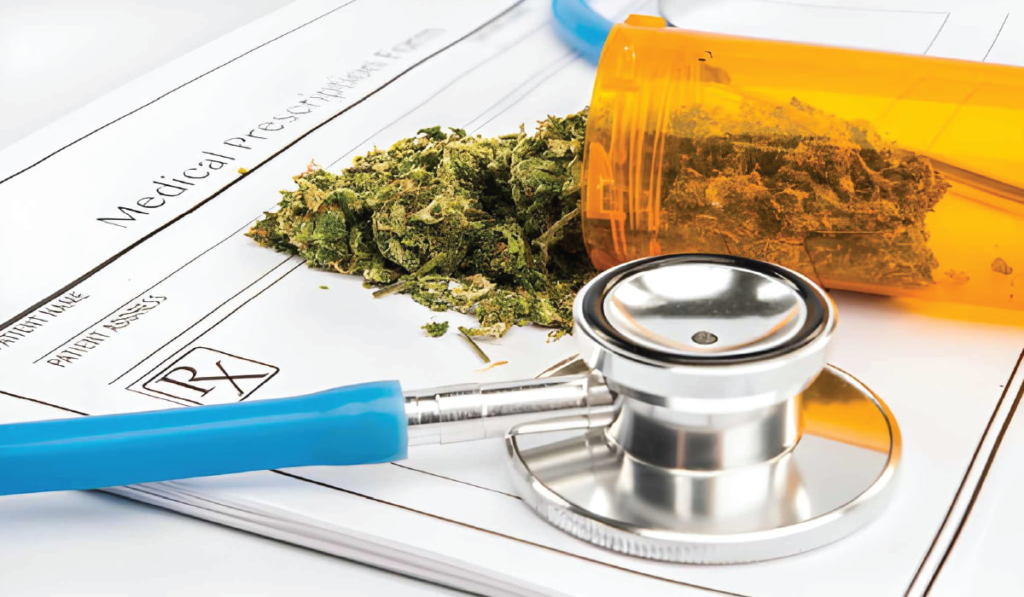
Medical cannabis has become an increasingly discussed option in modern healthcare, moving from historical stigma toward a recognized therapeutic tool when supported by evidence, clinical judgment, and legal frameworks. Unlike recreational use, medical cannabis is intended to address specific health conditions under medical supervision, aiming to improve symptoms or quality of life when other alternatives are ineffective or inappropriate.
In states with regulated medical cannabis programs, this clinical approach is reinforced through patient registration systems for instance the process of obtaining a Maryland medical marijuana card that helps distinguish medical use from non-medical access.
What “Legitimacy” Means in Medical Context
In clinical medicine, a treatment is typically considered legitimate when:
- It is supported by scientific or clinical evidence showing potential benefit.
- Healthcare professionals evaluate the individual patient’s condition and needs.
- It fits within established regulatory frameworks that ensure safety, quality, and appropriate use.
Medical cannabis fits this model when prescribed or recommended by qualified clinicians within a state’s medical cannabis program, supported by research and guidelines that identify conditions where therapeutic use may be appropriate.
The Role of Evidence and Clinical Judgment
Scientific research on medical cannabis is growing, although evidence varies by condition. Research indicates potential benefits for pain, nausea, and spasticity, among other symptoms, while also noting gaps in standardized dosing and long-term data. This evolving evidence base means clinicians must balance potential benefits with known limitations and safety considerations.
Healthcare professionals’ acceptance of medical cannabis also reflects this careful evaluation; surveys and studies show that many clinicians support cannabis as therapeutic in specific cases but emphasize the need for rigorous research and transparent communication to bolster confidence and appropriate use.
Maryland’s Medical Cannabis Framework
Maryland Cannabis Administration (MCA) oversees the medical cannabis program, which provides structured pathways for patients to access medical cannabis legitimately.
To be eligible:
- The patient must be a Maryland resident and registered with the MCA.
- A bona fide clinical relationship must exist between patient and clinician.
- The clinician must issue a written certification affirming that the patient has one of the state’s qualifying medical conditions.
- Patients then complete registration and receive a state-issued medical cannabis ID card.
This process ensures that medical cannabis is integrated into patient care under medical assessment and state law, rather than simply being obtained informally.
Qualifying Conditions: When Cannabis May Be Legitimate
Maryland law outlines a range of qualifying medical conditions for which a clinician may recommend medical cannabis, reflecting a mix of symptoms and chronic illnesses where standard treatment options may be limited or insufficient. These include:
- Severe or chronic pain
- Severe nausea
- Seizures
- Severe or persistent muscle spasms
- Post-traumatic stress disorder (PTSD)
- Cachexia, anorexia, or wasting syndrome
- Glaucoma
- Other chronic medical conditions that are severe and unresponsive to other treatments
These qualifying conditions are designed to ensure that the use of medical cannabis is clinically justified rather than arbitrary. In each case, the clinician assesses the patient’s history, prior treatments, and symptom burden before recommending cannabis as part of the care plan.
Clinical Evaluation and the Patient-Clinician Relationship
A core factor in legitimacy is the clinical evaluation process. A clinician must establish a legitimate provider-patient relationship, confirm diagnosis, review treatment history, and discuss potential risks and benefits before recommending medical cannabis. This aligns with broader clinical practice standards requiring individualized consideration rather than automated or commercialized approvals.
This process also acknowledges that not every patient with a qualifying condition will benefit from cannabis; careful assessment helps identify appropriate candidates while monitoring for response and side effects over time.
Safety, Risks, and Informed Decision-Making
Medical cannabis is not without risks. Effects can vary based on product composition, dose, and individual patient factors. Clinicians must discuss potential side effects, psychoactive effects, interactions with other medications, and considerations such as age, pregnancy, or comorbid conditions.
In addition, while federal classification remains restrictive, state programs like Maryland’s provide structured oversight and safety checks that support responsible use within a healthcare framework.
Patient-Centered Considerations for Medical Cannabis
Medical cannabis becomes a legitimate part of patient care when:
- A qualified clinician recommends it based on individual assessment of a condition and symptoms.
- The recommendation aligns with evidence-informed practice and state-approved qualifying conditions.
- The patient is enrolled in a regulated medical program that provides oversight and legal protection.
This model distinguishes medical cannabis from casual or recreational use by emphasizing clinical rationale and patient-centered decision-making.
Other Articles You May Find of Interest...
- Unlocking the Health Benefits of Reishi for a Better You
- The Surprising Benefits of Holding Salt Under Your Tongue
- THCA Flower vs THC Flower: What’s The Difference?
- What Is IV Therapy and How Does It Support Overall Wellness?
- Sleep Improvement Massage: A Natural Way to Restore Healthy Sleep
- Exploring Versed: What You Need to Know About This Medication
- How to Spot Legal CBD Products in the UK?



