






Your Health Magazine
4201 Northview Drive
Suite #102
Bowie, MD 20716
301-805-6805
More Complementary & Integrative Healthcare Articles
Vendor Red Flags: 10 Signs You Shouldn’t Buy Kratom from That Seller
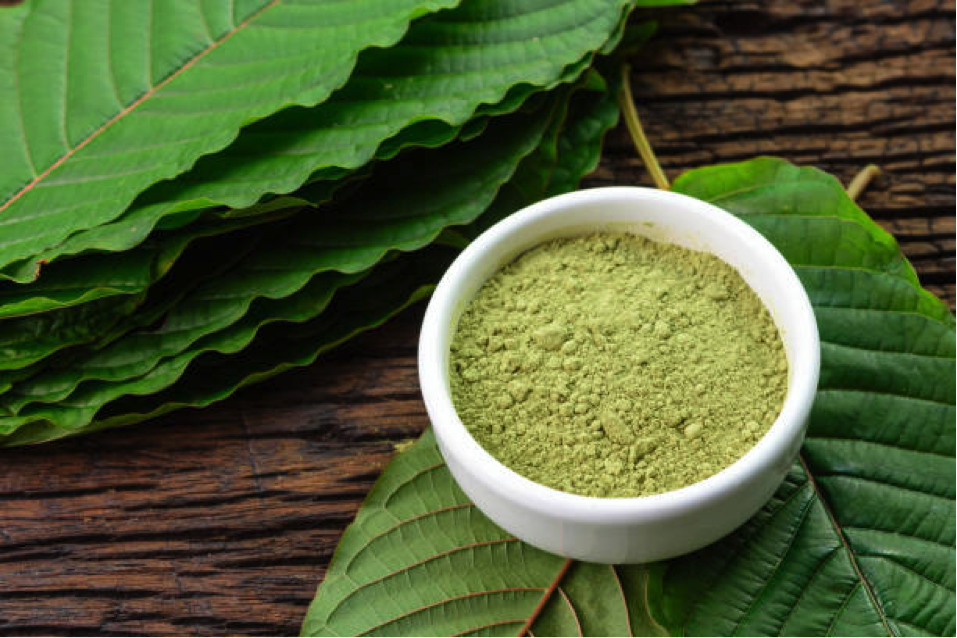
Kratom has moved from a niche botanical to a widely discussed product, available both online and in shops across the U.S. and beyond. That expansion means more choices for buyers — but also more chances to run into vendors whose quality control is questionable.
Some sellers focus on transparency, proper testing, and safe handling. Others use vague marketing, inconsistent labeling, and sourcing practices they won’t discuss. If you want to buy kratom safely, learning to spot the warning signs is essential. This guide explains ten common kratom vendor red flags, why they matter, and what you can do to protect yourself.
1. Missing or Outdated Lab Testing
Independent lab testing is the baseline for to buy kratom safely. It confirms that the product is free from harmful contaminants like heavy metals, mold, or microbial pathogens. It also verifies alkaloid content, giving you a clear picture of what’s inside.
Warning signs:
- No Certificates of Analysis (COAs) available online
- COAs that aren’t batch-specific
- Test results more than a year old
In 2018, an FDA recall linked several kratom products to salmonella contamination. Many came from sellers without public testing records. If a vendor cannot provide recent, batch-specific COAs from an accredited lab, it’s safer to look elsewhere.
2. No Origin or Harvest Information
Kratom’s quality depends heavily on its origin. Certain regions of Indonesia, Malaysia, and Thailand are known for producing consistent products, but even within those countries, standards vary.
A generic “Product of Southeast Asia” label isn’t enough. Trustworthy vendors will specify the region or province, sometimes even the farm, and give an idea of the harvest season. Knowing whether the product was harvested early or late in the season can also hint at its alkaloid profile.
If a vendor refuses to share sourcing information or gives conflicting answers, that’s a sign they may not have a direct relationship with their suppliers.
3. Prices That Are Too Low
Proper cultivation, importation, testing, and packaging add real costs. Vendors offering prices far below the market average often skip one or more of these steps.
GMP-compliant kratom generally sells for $90–$120 per kilo. When you see kilos at $50 or less without bulk discount conditions, it often means the product is untested, stored improperly, or sourced without quality checks. Bargain hunting in botanicals can cost more in the long run if the product is poor quality or unusable.
4. Poor or Inconsistent Packaging
Packaging is more than a presentation choice — it protects the kratom from light, moisture, and contamination.
Signs of poor packaging include:
- Thin plastic bags without a seal
- Missing strain name, weight, or expiration date
- No batch or lot number for traceability
Some buyers have reported receiving kratom in resealed or unmarked bags, making it impossible to confirm freshness or authenticity. Good packaging should be airtight, food-grade, and clearly labeled.
5. Overblown or Non-Compliant Medical Claims
In the U.S., kratom is not FDA-approved for the treatment of any condition. Vendors who promise it will “cure anxiety” or “treat chronic pain” are not only breaking compliance rules — they may also be more focused on marketing than product safety.
Responsible vendors describe kratom in terms of tradition of use, customer feedback, or general wellness support. Overpromising health benefits is both a red flag for credibility and a possible legal risk.
6. No Membership in Industry Safety Programs
The American Kratom Association (AKA) runs a Good Manufacturing Practices (GMP) Standards Program to set safety and quality benchmarks for the industry. Vendors that join agree to regular audits covering testing, sanitation, labeling, and storage.
GMP membership isn’t mandatory, but it’s a strong trust signal. If a seller claims GMP compliance but cannot show proof — or hasn’t renewed their certification in years — question their commitment to maintaining standards.
7. Hidden or Nonexistent Return Policy
A fair return policy indicates that a vendor stands behind their product. Vendors who avoid returns or hide restrictive clauses often do so because they expect complaints.
Before buying, check:
- How long you have to return a product
- Whether opened packages are accepted
- If you’ll get a refund or store credit
Most reputable sellers offer at least a 30-day window, even for opened products if most of the contents remain.
8. Poor Customer Service
Good customer service matters when there’s a shipping issue, product mix-up, or need for clarification. Vendors that are hard to reach or slow to respond create unnecessary stress for buyers.
Customer service red flags:
- No phone number or email listed
- Only a contact form, with no follow-up
- Delays of several days or more to answer questions
A quick pre-purchase inquiry, for example, asking for a recent COA — can help gauge how responsive a vendor will be after a sale.
9. Consistently Bad Reviews
Even the best companies get occasional negative feedback, but repeated complaints about quality, mislabeled strains, or shipping problems are cause for concern.
Before placing an order, check:
- Trustpilot for general consumer feedback
- Reddit’s r/kratom for user discussions
- Double M Herbals forum for vendor-specific threads
Look for patterns. If the same issues appear again and again, it’s likely not a coincidence.
10. No Transparency About Processing or Storage
Drying, processing, and storage all impact kratom’s freshness and safety. Vendors who are open about these steps usually understand and care about quality control.
Some explain whether their product was sun-dried, shade-dried, or fermented (as in Bentuangie kratom), and how it’s stored before shipment. Others avoid these details entirely, which can be a sign of inconsistency or lack of oversight.
How to Use These Red Flags in Real-World Shopping
Not every red flag is an automatic dealbreaker, but the more you notice, the more cautious you should be. For example:
- One missing detail (like origin) may be worth an email to clarify.
- Multiple issues (low price, no COA, vague sourcing) suggest moving on.
A reliable vendor will have nothing to hide — they’ll answer questions, show proof, and make you feel confident in your purchase.
Buyer’s Checklist for Safe Kratom Shopping
Here’s a quick reference before you place an order:
- Lab testing — Recent, batch-specific COAs from an accredited lab
- Origin — Clear region or farm details, plus harvest season
- Price — Within the market range for GMP-compliant kratom
- Packaging — Airtight, labeled, food-grade materials
- Claims — No overblown medical promises
- GMP — Verified membership or equivalent safety program
- Returns — Transparent, reasonable return policy
- Service — Fast, helpful customer responses
- Reputation — Consistently positive feedback from multiple sources
- Process transparency — Openness about drying, processing, and storage
Final Thoughts
Kratom is only as reliable as the company behind it. By learning to spot kratom vendor red flags — from missing lab tests to vague sourcing — you protect yourself from poor quality and potentially unsafe products.
A trustworthy vendor will be transparent, compliant, and responsive. They’ll show testing, share sourcing, and use safe packaging without being asked. The more informed you are, the easier it becomes to filter out unreliable sellers and focus on those who put safety first.
Buying kratom safely is less about finding “the strongest” strain and more about building a relationship with a vendor you can trust. Take your time, do your research, and let these red flags guide your choices.
Other Articles You May Find of Interest...
- Is Coconut Oil Classified as a Seed Oil? Discover the Truth
- How iHerb Discounts Work in 2026: Conditions, Patterns, and Common Limitations
- Florida’s Medical Cannabis Program: A Guide to Legal Access and What It Means for Your Health
- Unlocking the Secrets of Reflex Grading for Better Health Insights
- The Buzz Around Bio-Frequency Patches: Hype, Hope, or Something Worth Trying?
- Stick With It: What You Should Know Before Trying a Wellness Patches Guide
- Managing Elevated Vitamin B12 Levels: Effective Treatment Strategies




