






More Complementary & Integrative Healthcare Articles
Types of Acupuncture Explained: Which One Is Right for You?
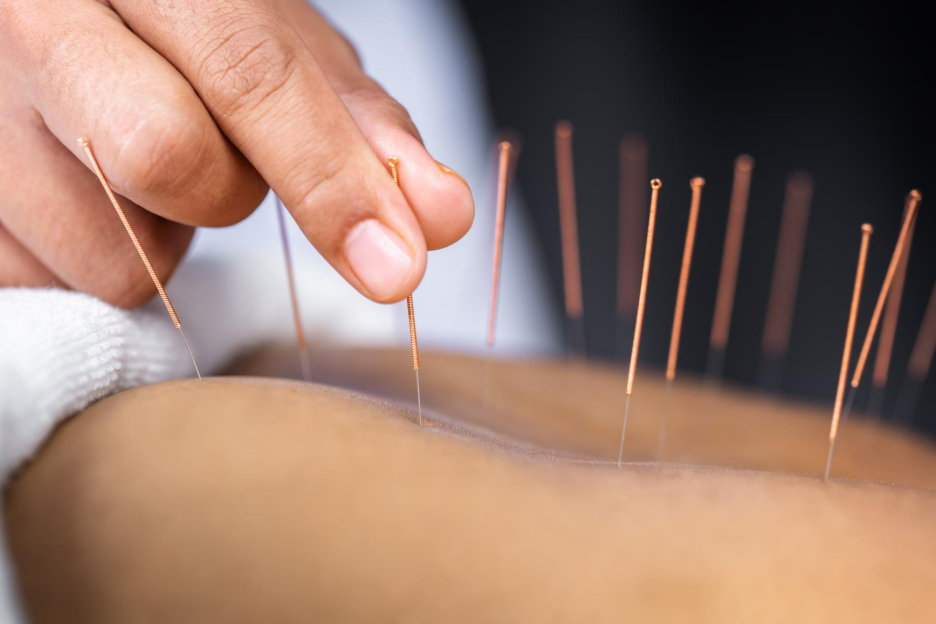
Acupuncture has expanded beyond its ancient origins. Over time, it has developed into several specialized practices that address different health needs. Each style offers its own methods, benefits, and treatment philosophy. This evolution shows how the therapy continues to adapt while staying true to its traditional roots. Choosing the right approach depends on personal health goals, comfort with various techniques, and the specific concerns being treated.
Traditional Chinese Acupuncture
This is the most well-known form of acupuncture and serves as the base for many modern styles. It’s built on the idea of Qi—the life force that moves through the body’s meridians or energy channels. When Qi is blocked or out of balance, pain or illness can appear.
There are several different styles of Traditional Chinese Medicine acupuncture, including Five Element Acupuncture. This specific approach achieves balance through the five elements: wood, fire, earth, metal, and water. Each connects to certain organs, emotions, and body functions. Here’s a quick overview:
- Wood: Linked to the liver and gallbladder, it represents growth and flexibility. Imbalance can cause frustration or tension.
- Fire: Connected to the heart and small intestine, it stands for joy and warmth. Too much or too little fire can lead to anxiety or sleep problems.
- Earth: Related to the stomach and spleen, it represents stability and nourishment. When weak, it can cause worry or fatigue.
- Metal: Tied to the lungs and large intestine, it reflects structure and clarity. Imbalance may bring grief or rigidity.
- Water: Linked to the kidneys and bladder, it symbolizes calm and strength. When out of balance, fear or exhaustion can develop.
Holistic health practitioners use these relationships to choose acupuncture points that restore balance in the body and mind. Many people feel less pain and a greater sense of calm after treatment, which is why this method remains central to traditional healthcare.
Japanese Acupuncture
Japanese acupuncture is softer than traditional Chinese medicine methods. It uses very fine sterilized needles inserted at a shallow depth, often with guide tubes for precision and minimal discomfort. The technique emphasizes palpation, with practitioners spending considerable time feeling the abdomen, meridians, and specific points to detect subtle energy imbalances.
This calm and careful approach is ideal for needle-sensitive people or those new to acupuncture. Even with its light touch, it delivers strong results for issues like stress, anxiety, and emotional tension. Techniques from Chinese medicine are often included to boost circulation and support natural healing. One typical example is moxibustion, a warming therapy that burns dried mugwort herb near the skin to encourage energy flow and relaxation.
Electroacupuncture
Electroacupuncture combines traditional needle insertion with electrical stimulation. Small clips attached to the needles deliver controlled electrical pulses that create a tingling or pulsing sensation. The frequency and intensity can be adjusted based on the treated condition and patient tolerance.
Research supports electroacupuncture’s effectiveness for pain relief, nerve regeneration, and muscle recovery. Athletes often choose this method to speed up recovery from sports injuries, while others find it helpful for neurological conditions, chronic pain, and post-surgical healing. The electrical stimulation provides more intense and sustained therapeutic effects than manual needle manipulation alone.
Auricular Acupuncture
Auricular acupuncture focuses exclusively on the ear, which contains over 200 acupuncture points corresponding to different body parts and organs. Practitioners insert tiny needles or apply semi-permanent seeds or pellets to specific ear points that remain in place for several days between sessions.
This specialized form has gained recognition for addiction treatment, particularly for smoking cessation and substance abuse recovery. The NADA (National Acupuncture Detoxification Association) protocol uses five specific ear points to reduce cravings, ease withdrawal symptoms, and promote relaxation. Auricular acupuncture also addresses weight management, anxiety, insomnia, and acute pain when quick relief is needed.
Trigger Point Acupuncture
Trigger point acupuncture, sometimes called dry needling, directly targets muscle knots and tension areas. Rather than following traditional meridian pathways, practitioners insert needles into tight bands of muscle tissue that cause referred pain patterns. The needle insertion often produces a twitch response as the muscle releases.

Physical and sports therapists frequently incorporate this technique for treating myofascial pain, tension headaches, back pain, and sports injuries. The approach is more anatomically based than energetically focused, making it appealing to those who prefer Western medical explanations. Results can be immediate, with patients experiencing an increased range of motion and decreased pain after a single session.
Scalp Acupuncture
As the name suggests, this type of acupuncture focuses on the scalp. It stimulates specific zones on the head that correspond to different body functions and neurological areas. Needles are inserted along lines or zones rather than at individual points, then often manipulated vigorously or connected to electrical stimulation.
Scalp acupuncture shows particular promise for neurological conditions. Stroke recovery, multiple sclerosis, Parkinson’s disease, traumatic brain injury, and phantom limb pain respond well to scalp acupuncture. Some practitioners use it alongside physical or occupational therapy to enhance rehabilitation outcomes. The treatment may feel unusual compared to body acupuncture, but it’s generally well-tolerated and produces minimal discomfort.
Korean Hand Acupuncture
In this method, the hands act as a miniature map of the entire body. Every part of the hand connects to specific organs and body systems, so working on certain points can influence health in other areas. This approach is often called Su Jok therapy and focuses on restoring balance by stimulating those points with gentle precision.
Korean acupuncture often appeals to people who prefer minimal intervention or those who want an accessible self-care option. Practitioners may use tiny needles, small magnets, or acupressure tools to activate the points. They’ll also teach clients how to continue gentle stimulation at home between sessions, extending the therapeutic effects. Because it’s localized, this technique can be convenient for managing pain, digestive issues, or stress.
Which Type Is Best for You?
The right type of acupuncture comes down to what feels most comfortable and what you want to achieve. Some people enjoy the gentle touch of Japanese acupuncture, while others prefer the more direct feel of dry needling. If emotional balance is the goal, Five Element acupuncture can be especially grounding. For quicker relief from pain, electroacupuncture might be a better fit.
There’s no one-size-fits-all answer. Every style brings something different to the table, and many practitioners like to mix techniques to get the best results. The key is to find a licensed acupuncturist who understands your needs and explains their approach clearly.
Closing Thoughts
Acupuncture’s diversity is one of its greatest strengths. Each method shares the same goal: to restore balance and support the body’s natural ability to heal. What makes the experience so personal is that no two treatments are ever exactly alike.
For anyone curious about trying it, keeping an open mind helps. Some approaches may seem unusual at first, but many people find that consistent treatment leads to lasting improvements in both physical and emotional well-being. It’s important to see a qualified acupuncturist who can assess your needs and create a safe treatment plan. With the right guidance, acupuncture can become a valuable part of a balanced, healthy lifestyle.
Other Articles You May Find of Interest...
- Ayurvedic Medicine for Hypertension: Key Herbs, the Evidence and How to Use Them Safely
- A Peaceful Closing, A Hopeful Beginning
- The Language Of the Heart
- Kumbhaka: What Breath Retention Actually Is, And How To Practise It Safely
- Choosing a TCM Acupuncture Clinic in Singapore: Evidence, Registration and What to Expect
- The Paradigm Shift in Female Travel: Prioritizing Holistic Health
- Steam Room vs. Sauna: What Homeowners Should Know Before Buying





