More Complementary & Integrative Healthcare Articles
CBD Oil in Canada: A Shopper’s Guide to Quality & Safety
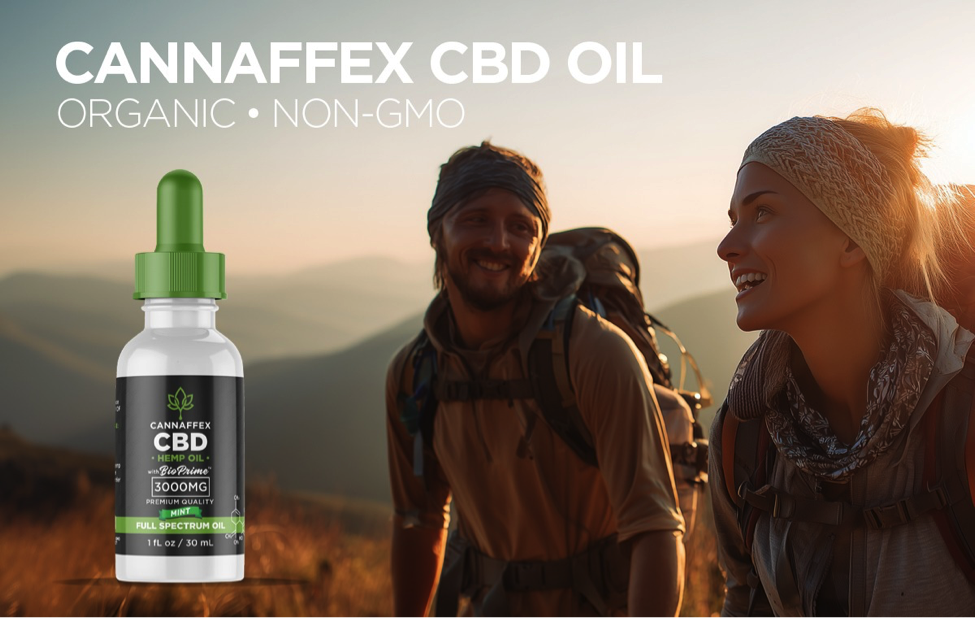
In recent years, cannabidiol (CBD) oil has gained significant traction across Canada as a cannabis-derived wellness product. CBD has been studied for potential effects on anxiety, chronic pain, inflammation, and sleep, though research in these areas is still ongoing and results vary by individual. With a rapidly growing market comes increased confusion—especially around product quality, safety, and sourcing. For Canadian consumers, navigating the landscape of CBD oil requires a clear understanding of what makes a product reliable.
This guide explores the factors that distinguish quality CBD oil in Canada, including extraction methods, labeling, and testing standards. Product examples and links throughout are illustrative, not endorsements.
Why Canadians Are Turning to CBD Oil
Cannabis legalization in Canada has opened doors for CBD products that are both accessible and regulated. Unlike THC, CBD is non-psychoactive, meaning it doesn’t produce a “high.” This makes it appealing for people looking to manage stress, reduce inflammation, improve sleep, or support general wellness—without mind-altering effects.
More Canadians are also seeking natural alternatives to pharmaceuticals. According to recent reports, demand for plant-based wellness products continues to rise, with CBD oil becoming a common choice for both humans and pets.
But not all CBD oils are formulated or tested to the same standard.
What Cannaffex’s CBD Oil Formulation Involves
For consumers evaluating formulation and sourcing, Cannaffex is one example of a Canadian CBD brand to look at. Based in British Columbia, the company describes using organically grown hemp, a proprietary extraction method, and third-party lab testing.
One feature of Cannaffex’s CBD oil is its Cryosonic™ Extraction process. According to the company, this method uses organic cane ethanol at -80°C, which it states is intended to retain more of the plant’s phytochemicals, flavonoids, and cannabinoids compared to some conventional CO₂ extraction methods, without leaving residual solvents. These are manufacturer claims about the process; independent comparative data on extraction methods and finished-product purity was not reviewed for this article.
Additionally, Cannaffex states that its products are THC-free, which the company markets toward customers who wish to avoid the psychoactive properties of cannabis or who are subject to workplace drug testing. As with any product claim, consumers relying on a THC-free guarantee for drug-testing purposes should review the batch-specific lab results themselves rather than the label alone.
Nano CBD Technology and Bioavailability
Absorption is a commonly discussed issue with CBD oils, since some formulations may not be efficiently absorbed by the digestive system. Cannaffex markets a proprietary BioPrime™ Nanoparticle Technology intended to address this.
According to the company, reducing CBD particle size to below 300 nanometers is intended to improve bioavailability. Nanoemulsion techniques are an active area of cannabinoid research, and some published studies suggest they can increase absorption relative to non-nano formulations; however, the specific “100x” absorption figure is a manufacturer claim that we were not able to independently verify, and actual results can vary by individual and by study design. Readers should treat brand-specific absorption multipliers with caution unless the brand publishes supporting data or independent testing.
For shoppers comparing formulations, bioavailability is one factor worth asking about, alongside dosage, extract type, and third-party testing.
Terpenes and the “Entourage Effect”
Cannaffex formulates its CBD oil with cannabis-derived terpenes. Some researchers have proposed that terpenes may contribute to a so-called entourage effect alongside cannabinoids, though this remains an area of ongoing research, and the extent of any effect—including on inflammation, anxiety, or pain—has not been firmly established in humans.
Some brands add minimal or no terpenes to their formulations; Cannaffex states it includes them in every bottle. This is a formulation choice worth being aware of when comparing products, rather than a guarantee of a particular effect.
Choosing CBD oil in Canada involves more than reading a label—it involves understanding sourcing, extraction, and testing practices, and treating any single brand’s marketing claims as a starting point for further research rather than a conclusion.
How to Choose CBD Oil
With a wide variety of CBD oils available across Canada, selecting a product can be a challenge—especially for shoppers new to the category or trying to avoid ineffective or low-quality options. As demand continues to grow, it becomes more important to understand how to read a label, evaluate a brand’s claims, and recognize signs of a lower-quality formulation.
In this section, we’ll walk through checkpoints that Canadian shoppers can use before purchasing CBD oil, including what a label should disclose and what questions to ask a brand.
What Should Be on a CBD Oil Label?
Every reputable CBD oil product in Canada should clearly list the following:
- Amount of CBD per serving (in mg)
- Type of CBD extract (e.g., full-spectrum, broad-spectrum, or isolate)
- Carrier oil used in the formulation
- List of ingredients, including any terpenes, flavorings, or natural additives
- Directions for use and serving information, where provided
- Third-party lab test results
These details help consumers understand not just the strength of a product, but also its purity and safety. Cannaffex publishes downloadable lab reports on its website for its batches. According to those reports as described by the company, results address the presence of THC, solvents, pesticides, and heavy metals; consumers who want assurance on a specific bottle should check that the batch number on the report matches the product they purchased.
Why Carrier Oil Matters
One detail often overlooked by consumers is the carrier oil used in a formulation. Many companies use MCT oil (a coconut-derived oil), which some users report causes digestive discomfort, such as bloating or cramping, though individual tolerance varies.
Cannaffex uses hemp seed oil as its carrier, which it markets as complementary to its CBD formulation. Hemp seed oil contains omega-3 and omega-6 fatty acids. Whether a particular carrier oil improves cannabinoid absorption or reduces digestive discomfort compared to alternatives depends on the individual and hasn’t been established as a general rule; consumers with sensitive digestion may want to consider carrier oil as one factor among several.
Signs of a Lower-Quality CBD Oil
Not all CBD oils sold in Canada meet the same quality standards. Some brands may:
- Use hemp grown with chemical fertilizers or pesticides
- Include trace amounts of THC without clearly stating it
- Use extraction methods without disclosing which method or its quality controls
- Make unverified claims about efficacy or purity
- Fail to publish third-party test results
To reduce these risks, it helps to shop from a brand that publishes sourcing information and testing results. CO₂ extraction, ethanol extraction, and other solvent-based methods are all in common commercial use; no single method is inherently outdated, and quality depends more on process controls, testing, and transparency than on the extraction category alone.
Cannaffex states it uses organically grown hemp cultivated on farms in British Columbia and describes its Cryosonic Extraction process as a proprietary method intended to preserve plant compounds without residual solvents. As with other manufacturer claims in this guide, consumers can look for supporting lab documentation rather than relying on marketing language alone.
THC-Free Formulations
One concern for many Canadian shoppers—especially professionals or athletes—is the presence of THC. Some CBD products may contain measurable amounts of THC, which may be relevant to people concerned about impairment, sensitivity, or drug testing. Health Canada also advises against labeling a product as containing zero THC unless the absence can actually be demonstrated.
Cannaffex describes its CBD oils as THC-free. Shoppers who need a THC-free product for drug testing or personal reasons should review the batch-specific certificate of analysis for the exact bottle they intend to purchase, since formulations and testing can vary by batch even within a THC-free product line.
Customer Support and Educational Resources
Beyond the product itself, some CBD brands, including Cannaffex, offer customer support, blog content, usage guides, and FAQs aimed at Canadian consumers, along with a range of product strengths for different levels of experience. These resources can be useful for first-time buyers working out dosage and format, though they should be treated as general information rather than medical advice.
What Research Says About CBD Oil
CBD oil has become a widely used addition to wellness routines in Canada. Its potential effects on chronic discomfort and mental well-being continue to be studied by researchers, though the evidence base for many everyday uses is still developing, and CBD is not approved by Health Canada to treat or cure any medical condition.
In this section, we’ll look at what’s understood about regular CBD use and answer common questions from Canadian shoppers.
What Is Understood About Long-Term CBD Use?
CBD is often used for more than short-term or acute symptoms. Researchers have studied its interaction with the body’s endocannabinoid system (ECS), which is involved in regulating a range of processes, including:
- Sleep cycles
- Mood stability
- Immune function
- Inflammatory response
- Cognitive performance
- Pain perception
The precise relationship between regular CBD use and long-term ECS function in humans is still being studied, and individual responses vary. Some users report improvements in sleep, focus, anxiety, or joint and muscle discomfort, but these are self-reported experiences rather than confirmed clinical outcomes, and CBD does not work the same way for everyone.
Cannaffex markets its BioPrime™ Nanoparticle Technology as a way for users to notice effects sooner, on the premise that smaller particle size improves absorption. This is a manufacturer claim about its formulation rather than an independently confirmed outcome, and individual response times vary.
FAQs: What Canadian Consumers Want to Know
Q: Will CBD Oil Make Me Feel High?
No. CBD itself is non-psychoactive. THC-free products, such as those Cannaffex describes, are formulated to contain no THC, but shoppers relying on this for drug testing purposes should check the batch-specific lab report rather than the label alone.
Q: Is CBD Legal in Canada?
CBD is legal in Canada only when produced and sold in accordance with the Cannabis Act and applicable federal, provincial, or territorial regulations. Legal non-medical cannabis products must be purchased through provincially or territorially authorized retailers. CBD is not treated as an ordinary wellness supplement in Canada; it remains regulated as cannabis. Look for a brand that discloses its licensing and testing practices.
Q: How Do I Know a Product Is Safe?
Look for a brand that publishes third-party lab results for each batch, showing CBD potency and confirming the absence of harmful substances like pesticides, solvents, and heavy metals. Cannaffex is one example of a brand that publishes this documentation; consumers should check it directly rather than relying on marketing summaries.
Q: Is Hemp Oil the Same as CBD Oil?
No. Hemp seed oil is pressed from hemp seeds and contains no meaningful CBD; it’s sometimes used as a carrier oil in CBD products. The CBD itself is extracted from the cannabis plant’s flowers, not its seeds. Reading the label carefully can help clarify which ingredient is doing what in a given formulation.
Q: How Much Should I Take?
Appropriate amounts vary by product and individual. Consumers should follow the product label and consult a healthcare professional, particularly if they take medications or have underlying health conditions. Health Canada notes that risks can increase with higher cannabinoid amounts and that formulation affects absorption.
Factors That Vary Between Canadian CBD Brands
Canadian CBD brands vary in several areas worth comparing when evaluating a product:
Extraction Method
Brands use CO₂, ethanol, or other solvent-based extraction methods, each with different tradeoffs in cost, scalability, and the compounds retained. Cannaffex describes using a proprietary Cryosonic extraction process; other brands publish their own methods, and comparing the documentation each provides is more useful than comparing marketing language alone.
Particle Size and Absorption Technology
Some brands, including Cannaffex, market nanoemulsion or “nano” formulations intended to improve bioavailability. Independent, brand-specific data on absorption improvement is often limited, so specific multipliers (such as “100x”) should be treated as marketing claims unless supported by published testing.
Terpene Content
Some formulations include cannabis-derived terpenes intended to contribute to an entourage effect; others include few or none. This is a formulation choice rather than a settled indicator of effectiveness.
Sourcing
Brands vary in whether hemp is organically grown, where it’s grown, and how consistently sourcing is documented. Cannaffex states its hemp is grown on farms in British Columbia; consumers can ask any brand for similar sourcing detail.
THC Content
Some product lines are formulated and tested to be THC-free, while others permit trace THC within the legal limit. Which is preferable depends on the individual’s needs, including any drug-testing requirements.
Conclusion: What to Look For in a CBD Oil
For Canadians shopping for CBD oil, the most useful indicators of a reliable product are transparency, testing, and clear labeling rather than any single brand claim. Extraction method, carrier oil, terpene content, and batch-specific lab results are all factors worth reviewing directly rather than taking on faith.
Whether you’re exploring CBD for the first time or comparing brands, checking a product’s lab documentation and understanding what its claims do and don’t establish is the most reliable way to make an informed choice.
Cannaffex is one example of a Canadian CBD oil brand referenced throughout this guide for illustration; its products and claims, like any brand’s, are worth evaluating against the criteria discussed above rather than accepted at face value.
Other Articles You May Find of Interest...
- Ayurvedic Medicine for Hypertension: Key Herbs, the Evidence and How to Use Them Safely
- A Peaceful Closing, A Hopeful Beginning
- The Language Of the Heart
- Kumbhaka: What Breath Retention Actually Is, And How To Practise It Safely
- Choosing a TCM Acupuncture Clinic in Singapore: Evidence, Registration and What to Expect
- The Paradigm Shift in Female Travel: Prioritizing Holistic Health
- Steam Room vs. Sauna: What Homeowners Should Know Before Buying