






More Complementary Health Articles
Exploring the Impact of Desaturation on Health and Wellness
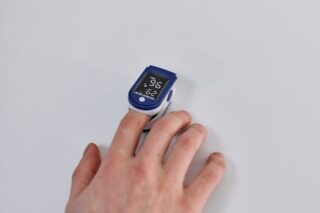
Desaturatie, commonly understood in medical contexts as a drop in blood oxygen levels, can significantly impact health and wellness. While brief episodes are not uncommon during sleep or strenuous activities, frequent desaturation episodes may indicate underlying health issues such as respiratory or cardiovascular conditions. It is essential to understand the causes, symptoms, and potential impacts of desaturatie to manage and improve overall well-being.
Understanding Desaturatie and Its Causes
Desaturatie occurs when there is a decrease in the level of oxygen saturation in the blood. Several factors can lead to desaturation, including respiratory disorders, sleep apnea, and high altitudes. Conditions like chronic obstructive pulmonary disease (COPD) and pneumonia can also contribute to lower oxygen levels. Addressing these underlying causes with medical consultation is crucial for managing health effectively.
Symptoms of Desaturatie
Symptoms of desaturatie might include shortness of breath, fatigue, dizziness, and confusion. In severe cases, it can lead to cyanosis, where skin and lips take on a bluish tint due to the lack of oxygen. Monitoring these symptoms closely and seeking medical advice promptly can prevent potential complications.
Desaturatie in Sleep Disorders
Sleep disorders, like sleep apnea, are common contributors to desaturatie. During sleep apnea episodes, breathing repeatedly stops and starts, causing intermittent drops in blood oxygen levels. These recurrent episodes can lead to fragmented sleep and increased risk of cardiovascular diseases. Diagnosing and treating sleep disorders can play a vital role in managing desaturatie effectively.
The Impact on Cardiovascular Health
Prolonged desaturatie can have significant effects on cardiovascular health, including hypertension and heart diseases. Oxygen is essential for the optimal functioning of all body organs, and insufficient levels can strain the heart. Regular health check-ups, along with lifestyle changes, may help in mitigating such risks. Exploring lifestyle choices that impact overall health can provide insightful ways to enhance cardiovascular well-being.
Monitoring and Managing Desaturatie
Utilizing pulse oximetry, a non-invasive method, can help in monitoring oxygen levels. Portable devices allow individuals to track their oxygen saturation conveniently at home. For those at high risk, healthcare providers might recommend more advanced monitoring technologies.
Effective management of desaturatie involves addressing the root causes through medical treatment and lifestyle modifications. Regular physical activity, a balanced diet, and avoiding tobacco and excessive alcohol intake are beneficial practices to support respiratory health.
The Role of Diet and Exercise
Diet and exercise play a crucial role in enhancing respiratory and cardiovascular health, thereby reducing the risk of desaturatie. Consuming a diet rich in antioxidants, vitamins, and minerals can strengthen the immune system and support overall well-being. Regular physical activity aids in improving lung capacity and endurance, which can positively affect oxygen levels in the blood.
Consulting Professionals for Personalized Care
While understanding the factors contributing to desaturatie is crucial, seeking professional guidance tailored to individual needs is equally important. Healthcare professionals can offer valuable insights and recommend appropriate interventions or treatments, ensuring comprehensive care.
For further reading on health-related topics, you can refer to resources such as this detailed health overview.
In conclusion, while desaturatie poses potential health risks, understanding its implications and adopting preventive measures can significantly enhance overall health. If you experience symptoms of desaturation, consulting a healthcare provider is critical for personalized care and effective management.
- Desaturatie refers to low oxygen saturation levels in the blood.
- Common causes include respiratory and sleep disorders.
- It can impact cardiovascular health significantly.
- Regular monitoring and healthy lifestyle choices are vital for management.
- Consulting healthcare professionals is essential for personalized care.
What is desaturatie?
Desaturatie is a medical term describing a drop in blood oxygen levels, which can have various causes such as respiratory disorders or sleep apnea.
How is desaturatie diagnosed?
Desaturatie is often diagnosed using a pulse oximeter, which measures the oxygen saturation level in the blood in a non-invasive manner.
Can lifestyle changes help with desaturatie?
Yes, lifestyle changes such as regular exercise, a balanced diet, and avoiding substances like tobacco can support respiratory health and help manage desaturatie.
Should I seek medical advice for symptoms of desaturatie?
Yes, it is essential to consult a healthcare provider if you experience symptoms of desaturatie, such as unexplained fatigue or difficulty breathing, for proper evaluation and treatment.
What are the complications of untreated desaturatie?
Untreated desaturatie can lead to serious health issues, including cardiovascular diseases and compromised respiratory function, necessitating timely medical intervention.
Other Articles You May Find of Interest...
- Unraveling the Mystery of Biot’s Respirations and Their Impact on Health
- Exploring the Impact of Desaturation on Health and Wellness
- Discover the Health Benefits of Bergamot and Its Uses
- Lactose-Free vs Dairy-Free: What You Need to Know
- Unlocking the Benefits of Potassium Sparing Medications for Heart Health
- Fibromyalgia: How Do You Treat It?
- Acupuncture For Rhinitis and Asthma



