






More Complementary Health Articles
Discover the Health Benefits of Bergamot and Its Uses
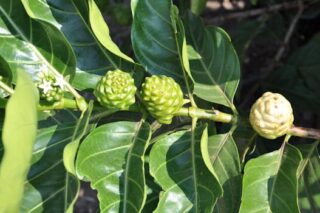
Bergamot is a citrus fruit that has gained popularity in recent years due to its potential health benefits. For those asking the question, “what is bergamont,” it’s essential to note that bergamot is often recognized for its unique aroma and is a key ingredient in Earl Grey tea. It belongs to the Rutaceae family and is predominantly grown in the coastal areas of Southern Italy, namely Calabria.
What Is Bergamont and Why Is It Used?
Bergamot (botanically known as Citrus bergamia) is not just appreciated for its fragrance, but also for its broad spectrum of uses in alternative medicine and aromatherapy. Its essential oil is extracted from the fruit’s peel and used in various personal care products. The oil is believed to have soothing properties that may support mental wellness, help in stress reduction, and promote healthy skin.
Potential Health Benefits of Bergamot
Over the years, research has revealed several potential health benefits associated with bergamot. It is believed to have antibacterial and anti-inflammatory properties, making it an excellent addition to skin-care routines. Its antioxidant content may also play a role in supporting cardiovascular health.
Moreover, bergamot’s oil is commonly used in aromatherapy for its calming effects. It may help elevate mood and relieve stress, though these effects can vary from person to person. Bergamot may also support digestion and assist in maintaining balanced cholesterol levels when included as part of a balanced diet. For those seeking additional tools for weight management, exploring safe and effective approaches can be beneficial. Check out our article on weight loss: safe and effective approaches and hidden causes.
How to Use Bergamot
Bergamot can be used in different ways depending on the desired effect. Infusing your tea with bergamot oil or peel can be a delightful and soothing experience. For topical use, diluted bergamot essential oil can be applied to the skin, though caution is recommended since it can increase sensitivity to sunlight.
Another popular method is using bergamot oil with a diffuser to enjoy its aromatic benefits within your home. It can set a calming atmosphere and enhance relaxation. However, always ensure proper use under the guidance of a qualified professional, especially if you have health concerns or conditions.
Precautions and Considerations
While bergamot offers numerous potential benefits, it is crucial to consider certain precautions. The oil should always be diluted before use on the skin to avoid irritation. Additionally, as with many other essential oils, it should not be ingested unless under the guidance of a healthcare provider.
Moreover, individuals taking certain medications should consult their healthcare provider to ensure there are no contraindications with bergamot extract. This can help minimize the risk of any adverse interactions.
Exploring Bergamot in Aromatherapy
Aromatherapy enthusiasts often turn to bergamot for its mood-lifting properties. When used in diffusers, bergamot oil can create a tranquil environment conducive to relaxation. Its scent is fresh and rejuvenating, often described as a blend of orange and lemon with floral notes.
Inhaling bergamot oil may support emotional balance, offering relief from feelings of anxiety and fatigue. However, it is vital to choose high-quality, pure essential oils to maximize the potential benefits.
Bergamot in the Culinary World
Beyond its aromatic use, bergamot also finds its place in the culinary world. The zest and juice of the bergamot fruit are sometimes used in cooking to impart a unique flavor, especially in Italian cuisine. From desserts to marinades, bergamot adds a distinctive citrus note that is both refreshing and complex.
Conclusion
Understanding what is bergamont and its wide array of uses can open doors to potentially enhancing your well-being. Whether through aromatherapy, as a component in natural skincare, or as a dietary supplement, bergamot’s versatility is truly remarkable. As always, it’s important to explore these options with mindfulness and professional advice.
- Bergamot is a citrus fruit primarily grown in Southern Italy.
- It is used in aromatherapy for its mood-lifting properties.
- The oil has antibacterial and anti-inflammatory benefits.
- Bergamot may support healthy cholesterol levels.
- Use bergamot oil with caution due to sun sensitivity risks.
FAQ: Discover the Health Benefits of Bergamot and Its Uses
What is bergamont?
Bergamot, known scientifically as Citrus bergamia, is a fruit renowned for its fragrant essential oil, commonly used in aromatherapy and personal care products.
Can bergamot help with stress relief?
Yes, bergamot oil is often utilized in aromatherapy for its calming effects, which may help reduce stress and promote relaxation.
Is it safe to apply bergamot oil directly to the skin?
Bergamot oil should be diluted before topical application, as it can increase skin sensitivity to sunlight and potentially cause irritation.
How is bergamot used in cooking?
Bergamot zest or juice can be used in cooking to add a unique citrus flavor, often in desserts or marinades to provide a refreshing and complex taste.
Are there any interactions with bergamot use and medications?
Yes, there may be potential interactions. It is recommended to consult a healthcare professional if you are taking medications and considering using bergamot.
For more detailed information about the health aspects and benefits of bergamot, you can visit Wikipedia’s article on Bergamot orange.
Other Articles You May Find of Interest...
- Unraveling the Mystery of Biot’s Respirations and Their Impact on Health
- Exploring the Impact of Desaturation on Health and Wellness
- Discover the Health Benefits of Bergamot and Its Uses
- Lactose-Free vs Dairy-Free: What You Need to Know
- Unlocking the Benefits of Potassium Sparing Medications for Heart Health
- Fibromyalgia: How Do You Treat It?
- Acupuncture For Rhinitis and Asthma




