




Your Health Magazine Contributor
4201 Northview Drive
Suite 102
Bowie, MD 20716
More Clinical Trials Articles
Cold Chain and Patient Safety: Why Logistics Shapes the Outcome of a Clinical Trial
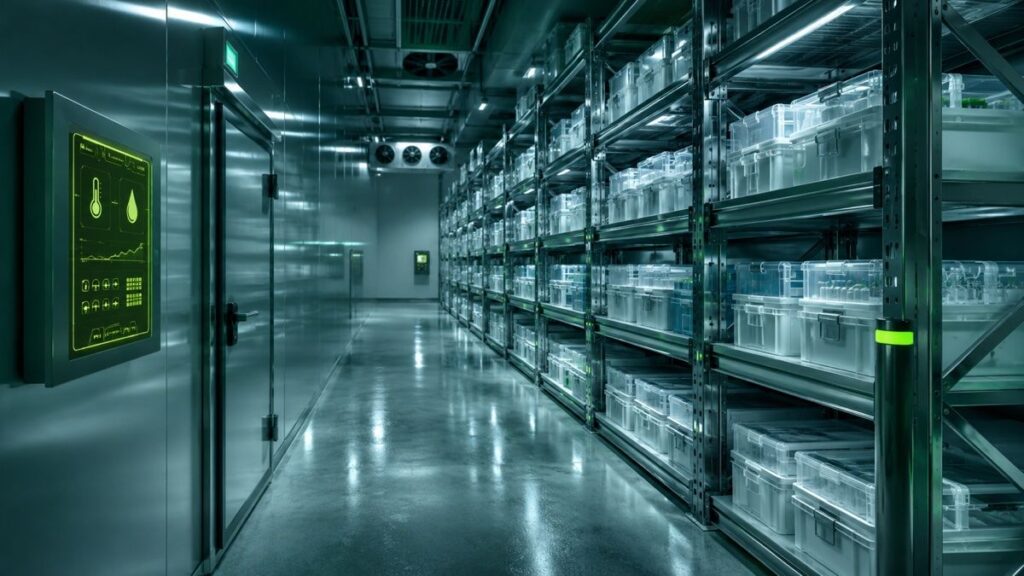
A clinical trial is judged by its data, but the data depends on something less visible: whether the product given to each patient was stored and moved as the protocol requires. An investigational medicinal product (IMP) that spends time outside its specified temperature range may be affected even when there is no visible sign. A temperature excursion should therefore be documented and assessed against available stability data before the product is used, because an unresolved excursion can create uncertainty about product quality and study data.
That is why sponsors and contract research organizations (CROs) look closely at the local supply chain before they open sites in a new country.
What a temperature excursion costs
Many biologics and other temperature-sensitive clinical trial materials require refrigerated, frozen, ultra-low-temperature, or cryogenic storage, depending on the specific product and protocol. Common controlled ranges can include +2 to +8 °C, -20 to -35 °C, ultra-low-temperature storage around -80 °C, and liquid-nitrogen conditions for certain materials. When a product moves outside its specified range, it may need to be quarantined while quality teams assess the excursion and determine whether it can still be used.
Each step costs time. In a trial with tight visit windows, a missed dose can mean a protocol deviation or a patient leaving the study. Prevention is cheaper than any investigation, and in practice it means validated storage zones, packaging qualified for the actual route and season, a data logger in every shipment, and alarms that reach a person who can act.
Seasons are part of the risk
Georgia has hot summers and winters with sub-zero nights in many regions, so a refrigerated product can be affected by freezing as well as excessive heat. Vehicles and packaging used for clinical deliveries therefore need to maintain the product’s specified temperature range across seasonal conditions. Providers such as GeoStorage use temperature-controlled transport, validated active and passive packaging, and shipment monitoring for clinical trial materials.
Biological samples cannot be replaced
A blood or tissue sample taken during a study visit is often unique to that moment. If it is compromised in transit, the sample may require assessment and the associated data point can potentially be lost. Proper bio-sample handling means timely pick-up from the site, appropriate temperature-controlled storage, IATA-compliant packaging where applicable, and a documented chain of custody all the way to the laboratory. Depending on the protocol, samples may require refrigerated, frozen, ultra-low-temperature, or cryogenic storage and transport.
Protection goes beyond temperature
A depot also has to protect stock against power cuts, intrusion and fire. Backup power can help maintain required storage conditions during an outage, while access controls limit who can reach investigational products and biological samples. Continuous environmental monitoring, alarm systems, fire protection and secure data records are also important parts of maintaining controlled storage conditions.
The patient at the center
Modern protocols increasingly bring the trial to the patient. Direct-to-patient delivery of IMPs keeps home-bound or distant participants on schedule, and organized transport for patients and nurses helps people attend visits without extra burden. Both depend on the same discipline as storage: the right temperature, the right documents and the right timing.
Evidence sponsors can check
For sponsors, an important question is whether a potential logistics partner can document its quality systems and performance. Relevant information may include GDP compliance or certification where applicable, quality-management certifications, audit history, temperature-monitoring procedures, deviation handling, equipment qualification and experience supporting clinical trials. These records can help sponsors and CROs evaluate whether a provider is equipped for the requirements of a particular protocol.
When the supply chain works as intended, investigational products and biological samples remain within their specified conditions throughout storage and transport. Evaluating these capabilities before site activation can help sponsors reduce avoidable excursions, delays and protocol disruptions.
Other Articles You May Find of Interest...
- Cold Chain and Patient Safety: Why Logistics Shapes the Outcome of a Clinical Trial
- Endocrinology and Metabolic Clinical Trials: Optimizing Protocol Execution and Patient Retention
- Retatrutide (RETA): What Researchers Should Verify Before Sourcing a Vial
- Tesamorelin in Preclinical Research: Handling, Stability, and Supplier Documentation
- Peptide Blends in Research: Why Multi-Component Formulations Need Better Documentation
- Tesamorelin Peptide: Mechanisms, Cellular Pathways, and Research Insights
- Understanding the Current Research on SS-31
Featured Doctors and Practices





