






More Chiropractic Care Articles
Exploring the Impact of Sacralization of L5 on Your Spine Health
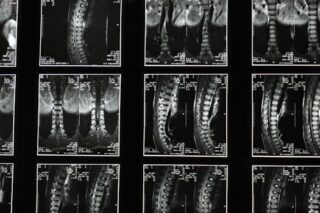
Imagine you’ve been experiencing persistent lower back pain, and your doctor mentions sacralization of L5 as a potential cause. You’re unfamiliar with this term and wonder how it might impact your spine health. Sacralization of L5 is a structural variation in the lower spine that can influence how you move and feel in daily life.
What Does Sacralization of L5 Mean for Your Spine?
Sacralization of L5 refers to a condition where the fifth lumbar vertebra becomes fused with the sacrum, the triangular bone at the base of your spine. In some people, this leads to changes in spinal alignment that may cause discomfort or limit mobility. While some individuals experience no symptoms, others may suffer from chronic pain or altered movement patterns.
This condition can affect your daily activities, especially those involving flexibility and bending. People who participate in sports or physically demanding tasks might find their performance hampered due to stiffness or discomfort in their lower back.
Living with Sacralization of L5
Many individuals with sacralization of L5 manage their condition through various strategies. Regular exercises aimed at strengthening the surrounding muscles can provide support, improving function and potentially alleviating pain. Additionally, lifestyle choices such as maintaining a healthy weight and adopting ergonomic practices can make a significant difference in managing symptoms. For more insights into how lifestyle impacts overall health, you may find this article on lifestyle choices helpful.
When to Seek Care
It’s advisable to consult a healthcare provider if you experience persistent back pain, numbness, or tingling in your legs. An orthopedic specialist or a neurologist can provide a comprehensive evaluation. If initial self-care measures or physical therapy don’t bring relief, they might suggest additional diagnostic tests like X-rays or MRIs to better understand your spinal anatomy.
Common Questions about Sacralization of L5
How is sacralization of L5 diagnosed?
Diagnosis typically involves imaging studies such as X-rays or MRIs to visualize the bone structure. Your doctor will look for signs of fusion between the L5 vertebra and the sacrum.
Can sacralization of L5 lead to other complications?
In some individuals, the altered mechanics can contribute to wear on adjacent vertebrae, potentially leading to conditions like degenerative disc disease. Regular monitoring by a doctor can help manage any emerging issues early.
What treatments are available?
Treatment may include physical therapy to improve strength and flexibility, pain management options like NSAIDs, or in more severe cases, surgical interventions. It’s best to discuss with your doctor what options are suited to your specific situation.
Is this condition preventable?
Sacralization of L5 is a congenital condition, meaning it’s present from birth and not preventable. However, managing lifestyle factors can help mitigate its impact. Engaging in regular exercise and maintaining good posture are practical ways to support your spine health.
To learn more about spine health and related topics, consider visiting trusted resources such as The Mayo Clinic.
- Sacralization of L5 involves fusion of the L5 vertebra with the sacrum.
- Symptoms can include lower back pain and altered spine mechanics.
- Lifestyle modifications and therapy can help manage symptoms.
- Medical evaluation is crucial if symptoms persist or worsen.
Common Questions
When should I be concerned about back pain with sacralization of L5?
If your back pain is persistent or accompanied by numbness or tingling, it’s time to consult a healthcare professional.
What type of doctor treats sacralization of L5?
Orthopedic specialists, neurologists, or physical therapists usually manage this condition depending on its severity and symptoms.
Can physical therapy help manage symptoms?
Yes, physical therapy can be effective in strengthening surrounding muscles and improving range of motion to alleviate discomfort.
Is surgery always necessary for sacralization of L5?
Surgery is typically a last resort and only considered if conservative treatments fail and symptoms significantly impact daily life.
In closing, sacralization of L5 can influence your spine health, but with proper management and regular consultation with healthcare providers, many can maintain a good quality of life.
Other Articles You May Find of Interest...
- Can a Chiropractor Help With Sciatica?
- Beyond the Adjustment: What a Comprehensive Approach to Chiropractic Care Looks Like
- How Long Does a Chiropractic Adjustment Last?
- Are Your Headaches Becoming Too Common? When It’s Time to Get Them Checked
- What Should You Know About Chiropractic Care Before Starting Treatment
- Spinal Decompression Therapy in Oklahoma: What to Know
- Who Can Get Spinal Decompression Therapy in Oklahoma?





