






Your Health Magazine Contributor
4201 Northview Drive
Suite 102
Bowie, MD 20716
More Cancer Awareness Articles
Melanoma Treatment UK: Understanding Your Care Options
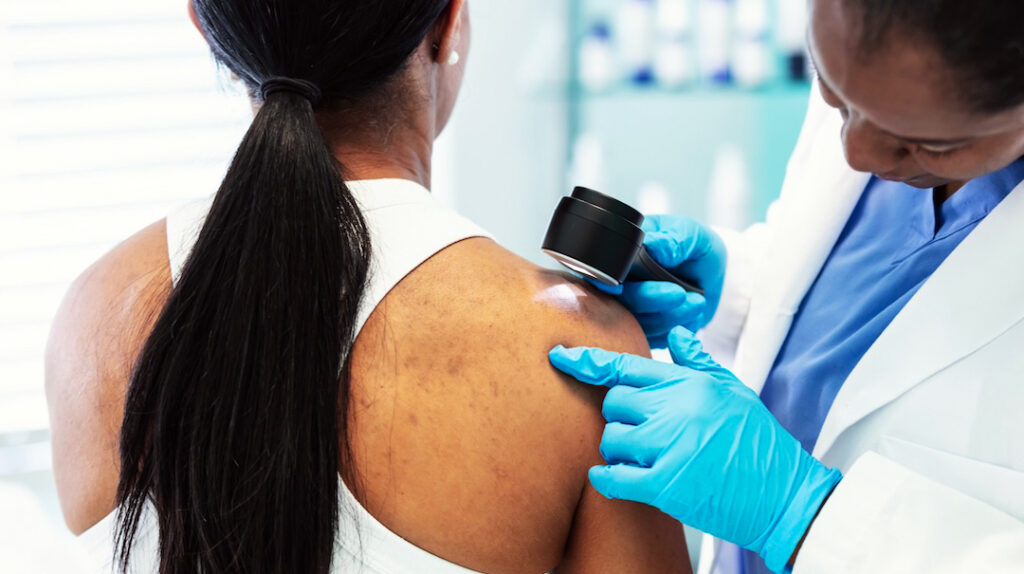
A melanoma diagnosis can be worrying, but treatment options have developed significantly over the years. melanoma treatment UK involves a range of approaches, and the treatment recommended for an individual depends on factors such as the stage of the melanoma, where it is located, whether it has spread, genetic characteristics of the cancer, and the person’s general health.
Melanoma is a type of skin cancer that begins in melanocytes, the cells responsible for producing melanin. When abnormal melanocytes grow and divide uncontrollably, melanoma can develop. Early diagnosis is important because treatment is often simpler when the cancer has not spread beyond the original site.
This guide explains the main approaches to melanoma treatment in the UK and some of the factors that may influence treatment decisions.
Understanding Melanoma Diagnosis
Treatment planning begins with an accurate diagnosis. If a GP or specialist is concerned about a changing mole or other skin abnormality, further assessment may be recommended.
A biopsy may be performed to examine a sample of tissue under a microscope. Depending on the circumstances, additional tests may be used to determine how deeply the melanoma has grown and whether there is evidence that it has spread to lymph nodes or other parts of the body.
The results help specialists determine the stage of the melanoma. Staging is an important part of deciding which treatments may be appropriate.
How Treatment Decisions Are Made
There is no single treatment that is suitable for every melanoma patient. UK cancer care teams consider several factors when developing an individual treatment plan.
These may include the thickness and stage of the melanoma, its location, whether lymph nodes or distant organs are affected, genetic changes within the cancer, and the patient’s general health.
Melanoma treatment decisions are generally made with input from specialist multidisciplinary teams. Patients should have the opportunity to discuss the recommended treatment, possible benefits, side effects, and alternatives with their healthcare professionals.
Surgery for Melanoma
Surgery is the main treatment for many melanomas, particularly when the cancer is detected at an early stage. A common procedure is called a wide local excision.
During this procedure, the surgeon removes the melanoma along with an area of surrounding healthy tissue. The additional tissue, known as a margin, is removed to reduce the risk of melanoma cells remaining at the original site.
The amount of tissue removed depends on factors including the melanoma’s characteristics and stage. In some situations, reconstructive techniques such as a skin graft or skin flap may be considered.
Sentinel Lymph Node Testing
For some melanomas, doctors may recommend a sentinel lymph node biopsy. This procedure can help determine whether melanoma cells have reached nearby lymph nodes.
The test may be considered for certain melanomas based on factors such as Breslow thickness, ulceration, lymphovascular invasion, and mitotic rate. It is not routinely offered for stage IA melanoma. Information from lymph node testing can help specialists determine the stage and consider subsequent treatment options.
Not every person with melanoma needs this procedure, so the decision should be discussed with the specialist team.
Immunotherapy
Immunotherapy has become an important part of treatment for some melanomas. These medicines work by helping the body’s immune system recognize and attack cancer cells.
Depending on the stage and circumstances, immunotherapy may be considered after surgery when there is a significant risk of the melanoma returning, or for melanoma that cannot be removed surgically or has spread to other parts of the body.
Immunotherapy can cause side effects because it affects immune activity. Patients should discuss possible side effects with their treatment team and report concerning symptoms promptly.
Targeted Cancer Drugs
Some melanomas contain specific genetic changes that can influence how the cancer grows. Testing the melanoma can help doctors determine whether targeted medicines may be appropriate.
Targeted cancer drugs are designed to act on particular changes in cancer cells. They may be used in certain situations following surgery or for melanoma that has spread.
Whether targeted treatment is appropriate depends on factors including the cancer’s genetic characteristics, stage, previous treatment, and the patient’s general health.
Radiotherapy
Radiotherapy is not usually the main treatment for early melanoma, but it may have a role in particular circumstances.
For example, radiotherapy can sometimes be used to control melanoma that has spread to specific areas of the body or to help relieve symptoms. The number of treatment sessions depends on the area being treated and the overall treatment plan.
Specialists will determine whether radiotherapy is appropriate based on the location and extent of the melanoma.
Treatment for Advanced Melanoma
When melanoma has spread to other parts of the body, it is described as advanced or metastatic melanoma. Treatment can be more complex and may involve systemic cancer treatments.
Immunotherapy and targeted cancer drugs are important treatment options for advanced melanoma. Surgery or radiotherapy may also be considered in particular situations, while chemotherapy has a more limited role and may be considered when other treatments are unsuitable.
The aim of treatment for advanced melanoma may include controlling the cancer, reducing symptoms, and supporting quality of life. In some cases, treatment may not be able to cure advanced melanoma.
Follow-Up After Treatment
Melanoma care does not necessarily end after the initial treatment. Regular follow-up appointments may be recommended to monitor recovery and check for signs that the melanoma has returned.
The frequency and duration of follow-up depend on factors such as the stage and characteristics of the melanoma and the treatments received. Some patients may also have examinations, scans, or other monitoring as recommended by their healthcare team.
Patients should tell their healthcare team about new or concerning symptoms rather than waiting for a scheduled appointment.
Living With Melanoma
A melanoma diagnosis can affect more than physical health. People may experience worry, uncertainty, changes in confidence, or concerns about the future.
Cancer care teams can provide information and support throughout diagnosis and treatment. Specialist nurses and other healthcare professionals can also help patients understand treatment and manage concerns.
Family members and close friends can provide valuable emotional support, while professional counselling or cancer support services may be useful for people who find the emotional impact difficult to manage.
Clinical Trials and Melanoma Research
Research continues to investigate new approaches to melanoma treatment. UK clinical trials may examine new medicines, combinations of treatments, surgical approaches, radiotherapy techniques, and ways to manage treatment side effects.
Clinical trials have specific eligibility requirements. If a patient is interested in participating, they should discuss available opportunities with their specialist. A doctor can explain whether a particular trial may be appropriate and what participation involves.
Choosing a Specialist Treatment Team
People searching for Melanoma Treatment UK should focus on accessing appropriate specialist medical care rather than relying on general online information alone.
A specialist team can assess the individual diagnosis and explain the available treatment options. Patients can ask questions about the purpose of treatment, expected benefits, possible side effects, treatment duration, and what follow-up care will involve.
It can also be helpful to write down questions before appointments and bring a trusted family member or friend if permitted.
Conclusion
Melanoma Treatment UK encompasses several approaches, including surgery, immunotherapy, targeted cancer medicines, radiotherapy, and, in selected circumstances, chemotherapy or other treatments. The appropriate approach depends on the individual melanoma, its stage, genetic characteristics, location, and the patient’s overall health.
Early melanoma is often treated primarily with surgery, while more advanced disease may require systemic treatments such as immunotherapy or targeted medicines. Regular follow-up is also an important part of ongoing care.
Anyone who has been diagnosed with melanoma should discuss their individual circumstances with their specialist team. Online information can provide general background, but it cannot replace personalised medical advice, diagnosis, or treatment planning from qualified healthcare professionals.
Other Articles You May Find of Interest...
- Can Persistent Diarrhea Be a Sign of Pancreatic Cancer?
- Chondroma: A Usually Benign Tumor of Cartilage
- How Long Do Biopsy Results Take? Typical Waiting Times and Delays
- Can Biting Your Nails Cause Cancer?
- Malignant vs. Metastatic Cancer: The Difference That Matters
- Hyperplasia vs. Dysplasia: How Abnormal Cell Changes Differ
- Neck Pain Around a Chemo Port: Normal Soreness or a Complication?





