More Cancer Awareness Articles
6 Simple Gifts Cancer Patients Actually Want
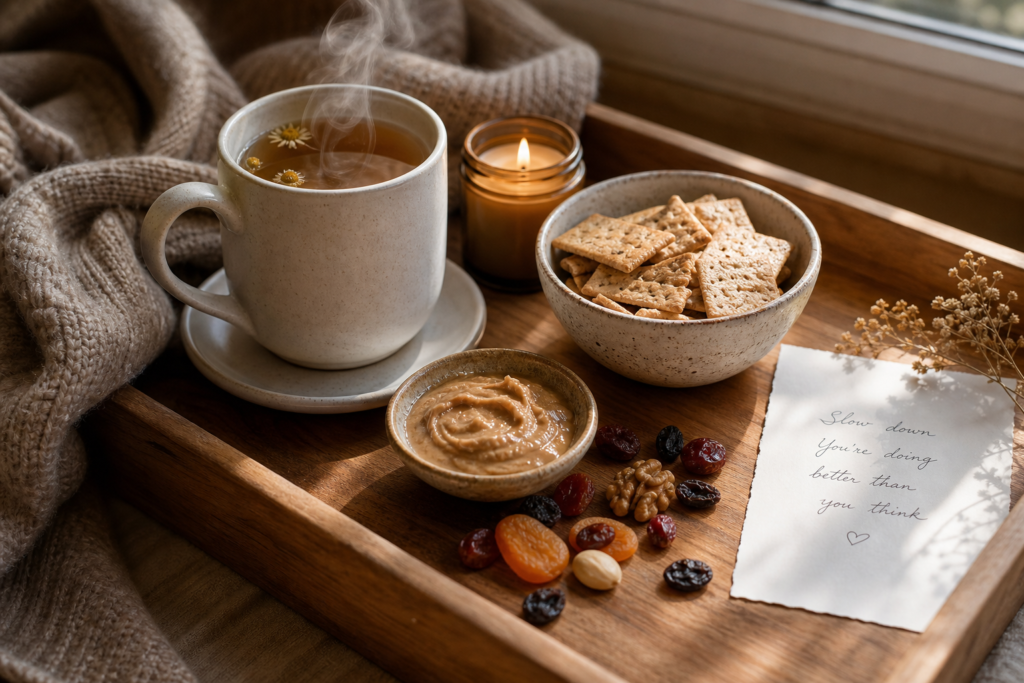
Cancer patients dealing with chemotherapy, radiation, or surgery recovery want gifts that reduce daily friction: comforting snacks built around dietary restrictions, soft clothing for temperature sensitivity, craft activities for the long hours between appointments, audiobooks for infusion days, practical household help, and a private outlet for processing emotions.
Treatment creates stretches of fatigue, nausea, and emotional exhaustion that make even basic decisions feel overwhelming, which means the most useful gifts are the ones that require nothing from the recipient. If you’re staring at a search bar trying to figure out what to send during chemo, the six categories below give you a concrete starting point.
1. Delivering Specialized Care Packages
Cancer treatments heavily impact daily eating habits in ways that extend far beyond simple appetite loss. The reported prevalence for taste alterations ranges from 20 % to 86 %, meaning patients often develop sudden aversions or struggle with nausea when exposed to formerly beloved recipes.
Asking them to specify their cravings just adds another administrative task to an exhausted person’s mental load.
An effective cancer care package removes the guesswork by focusing on gentle, easily processed items. Mild snacks like saltines, creamy nut butters, and diet-specific choices reduce the risk of upsetting sensitive digestive systems.
Thoughtful get-well-soon gift baskets from It’s Only Natural Gifts include customizable gluten-free and vegan options, allowing gift-givers to select items that align with the recipient’s dietary preferences or restrictions.
You should aggressively avoid sending heavy fragrances and overly sweet treats since they frequently trigger debilitating nausea. Fresh produce also introduces rapid spoilage timelines and poses serious bacterial risks to compromised immune systems during active recovery phases. Stick strictly to shelf-stable, mild items that tear open easily on low-energy afternoons.
| Important: Steer clear of heavily fragranced items (a common nausea trigger), fresh fruit (spoilage and immune risks during chemo), and overly sweet or artificially flavored snacks that often clash with treatment-related taste changes. Opt for mild, easy-to-open, gentle options instead. |
2. Exploring Gentle Craft Projects
Treatment creates a frustrating physical limbo where lying motionless feels unbearable but moving requires intense effort.
More than 80 % of people with cancer experience fatigue while receiving chemotherapy or radiation therapy, leaving them physically drained for days at a time. This functional gap turns the long wait times between medical appointments into a severe psychological challenge.
Occupational therapists regularly suggest fine-motor hobbies to provide purposeful focus and anchor wandering thoughts. Crochet ranks highly among specific activities for chemo patients at home because it requires minimal setup space and generates zero distressing noise.
The repetitive stitching motion provides visible progress and manual engagement without draining sparse physical reserves.
A comprehensive beginner crochet kit from The Woobles includes pre-started pieces and instructional materials designed to help beginners get started with the craft. These packages include pre-started pieces and clear video instructions so the recipient can immediately focus on the soothing rhythm of the material. Producing a tangible object offers a genuine sense of accomplishment during long, quiet recovery weeks.
3. Choosing Curated Audio Entertainment
Certain treatment schedules make even gentle physical movement too difficult to manage safely. Patients dealing with intense high-dose protocols often feel fatigue that forces them to keep their eyes closed and avoid lit screens.
Audiobooks serve this exact reality by delivering narrative entertainment straight to their headphones during extended infusion appointments.
The specific listening genre you choose directly impacts how well the recipient can enjoy the story while medicated. Cozy mysteries, detailed nature narratives, and light comedic memoirs hold attention well without demanding intense emotional investment they cannot spare.
Including a handwritten list of suggested titles alongside a paid audiobook subscription gives them immediate listening options when browsing directory menus feels impossible.
Prepaid streaming services function the same way when paired with highly curated viewing recommendations. A digital subscription to a popular network bundled with three short baking competitions creates an immediate, low-stakes watch list.
4. Supplying Warm Wearable Clothing
Clinical medical facilities run notoriously cold while harsh chemical treatments routinely damage internal temperature regulation. Peripheral nerve sensitivity also develops frequently during cycles, causing standard apparel seams and textures to feel physically painful against the skin.
Soft fitted hats made of bamboo or spun organic cotton provide excellent cranial warmth without scratching newly sensitive scalps.
Physical accessibility dictates whether wearable gifts for cancer patients actually leave the closet. Standard restrictive loungewear blocks essential medical devices, so shoulder wraps or wrap-around robes that open near the collarbone are vital for quick port access. Cardigans and oversized sweaters with deep pockets also allow wearers to store lip balm or tissues nearby.
Fabric choices determine whether a piece of clothing becomes a daily staple or gets pushed aside. Breathable textiles like fine merino wool and lightweight cashmere blends trap body heat naturally while eliminating abrasive friction points.
5. Managing Daily Household Chores
Standard household tasks continue piling up even when a person lacks the physical means to stand at a kitchen sink. Immediate friends consistently overlook practical home maintenance because vacuuming or sorting mail lacks the traditional visual appeal of a wrapped box.
Taking over the mundane grocery runs or the daily laundry burden removes an immense, invisible weight from a patient trying to heal quietly.
Digital scheduling platforms prevent the logistical chaos of multiple well-meaning neighbors bringing casseroles on the identical Tuesday afternoon. Coordinating community food deliveries through a centralized digital app prevents duplicate meals and removes the tired recipient from the communication chain.
Prepaid weekly grocery delivery subscriptions provide another highly practical layer of nutritional support that requires zero driving or lifting.
Avoid leaving offers of physical assistance open-ended through vague phrasing like telling someone to call if they need anything. Pinpoint exactly what household chore you plan to handle by claiming a specific task on a specific calendar date.
Announcing your intention to drop off specialized groceries next Tuesday evening transitions the scheduling burden directly onto your shoulders.
| Key Insight: Open-ended offers (“let me know if you need anything”) shift the burden to the patient. The real gift is a specific, time-bound task like “I’m bringing dinner Tuesday at 6 PM,” removing the need to identify needs, ask, and coordinate. |
6. Providing Structured Journal Prompts
Complex medical battles generate a chaotic mix of sudden fear, profound boredom, and shifting personal identity that requires a safe processing outlet. A sturdy, high-quality hardcover journal provides a private, disconnected space to document these massive internal shifts away from public social media channels.
Selecting an option constructed with thick, heavyweight paper ensures dark ink will not bleed through the pages during bedside writing sessions.
A perfectly blank book by itself often intimidates someone experiencing significant chemical cognitive fog. You can transform a plain paper notebook into a thoughtful gift for illness by writing five specific reflection prompts inside the front cover. Focusing strictly on small, grounding ideas prevents the writing exercise from accidentally becoming emotionally taxing.
Suggesting simple daily topics like documenting a brief positive interaction or noting a specific physical comfort keeps the writer safely anchored in the present moment. Providing this structured space gives them operational control over when and exactly how they choose to record their ongoing circumstances.
The Bottom Line
Reducing daily operational friction stands as the primary goal when selecting exactly what to send during chemo.
A dietary-aware food package covers essential nutritional gaps while respecting strict medical restrictions without forcing the recipient to explain their digestive needs. Craft starter sets build quiet forward momentum through repetitive hand movements during the quietest clinic waiting room delays.
Options ranging from guided audio stories and easily accessible port-friendly wraps to specialized digital household service apps address specific logistical hurdles. Delivering customized therapeutic prompts inside a premium bedside journal offers a controlled avenue for personal expression.
Other Articles You May Find of Interest...
- Can Persistent Diarrhea Be a Sign of Pancreatic Cancer?
- Chondroma: A Usually Benign Tumor of Cartilage
- How Long Do Biopsy Results Take? Typical Waiting Times and Delays
- Can Biting Your Nails Cause Cancer?
- Malignant vs. Metastatic Cancer: The Difference That Matters
- Hyperplasia vs. Dysplasia: How Abnormal Cell Changes Differ
- Neck Pain Around a Chemo Port: Normal Soreness or a Complication?