




Your Health Magazine Contributor
4201 Northview Drive
Suite 102
Bowie, MD 20716
More Beauty Skin Care & Gorgeous Smiles Articles
5 Facial Eczema Signs That Deserve Clinical Attention
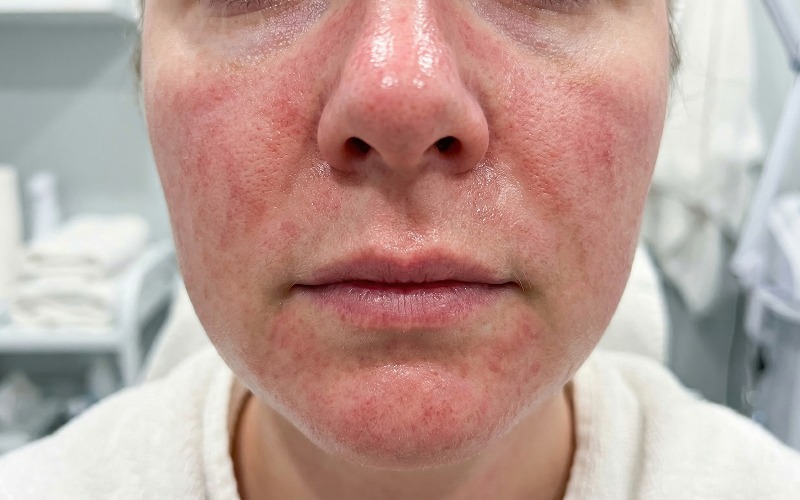
Redness, itching and dryness on the face can be uncomfortable, particularly when symptoms keep returning or interfere with sleep and daily routines. Several skin conditions can produce similar changes, so appearance alone cannot confirm the cause.
Someone considering a skin clinic in Singapore may want to discuss eczema treatment for the face when irritation persists, spreads or fails to improve with basic skin care. A clinician can assess the affected areas, review possible triggers and determine whether further investigation or treatment is appropriate.
1. Persistent Itching That Interrupts Daily Life
Itching is a recognised symptom of eczema, although other conditions can cause it too. Facial itching may become more noticeable at night, during periods of stress or after contact with an irritating product.
Repeated scratching can damage the skin barrier and create further irritation. It may also increase the risk of infection if the skin becomes broken.
Pay attention to how frequently the itching occurs, which areas it affects and whether particular products or activities appear to trigger it. These details can help a clinician assess the pattern rather than relying on a brief description of discomfort.
Avoid assuming that persistent itching always indicates eczema. Allergic reactions, contact dermatitis and other skin conditions may produce similar symptoms and require different management.
2. Redness That Returns in the Same Areas
Facial redness may appear on the cheeks, forehead, eyelids or around the mouth, depending on the underlying cause. In eczema, inflammation can fluctuate, with periods of improvement followed by another flare.
Repeated redness deserves attention when it accompanies itching, dryness or sensitivity. It is particularly useful to note whether symptoms follow the use of a new cosmetic, cleanser, sunscreen or topical medicine.
A clinician may ask when the redness first appeared, how long each episode lasts and what seems to make it better or worse. Photographs taken during a flare can help document changes if the skin looks different by the appointment.
Redness alone does not establish a diagnosis. Conditions such as rosacea and contact dermatitis can overlap in appearance, so assessment should consider the full pattern of symptoms.
3. Dry, Flaky or Rough Skin
Eczema can disrupt the skin barrier, allowing moisture to escape and making the skin feel dry, rough or flaky. Facial skin may become tight after washing, and some products may sting when applied to irritated areas.
Persistent scaling around the eyelids, cheeks or mouth can also have other causes. The location, appearance and accompanying symptoms help distinguish possible explanations.
Review the products used on the face, including cleansers, exfoliants, fragranced moisturisers and active skincare ingredients. Using several potentially irritating products during a flare can make it harder to identify the source of discomfort.
A clinician can advise on a suitable skin-care routine, assess whether the symptoms fit eczema or another condition and provide an eczema treatment for the face.
4. Cracking, Swelling or Weeping Skin
More severe inflammation can leave the skin cracked, swollen or sore. In some cases, affected areas may ooze fluid or develop crusting.
These changes deserve medical attention because broken skin can become infected. Increasing pain, warmth, spreading redness, pus or fever may indicate a complication and warrant urgent assessment.
Painful clusters of blisters, particularly when they spread rapidly or occur near the eyes, also require urgent medical evaluation. Do not attempt to manage significant worsening symptoms solely with moisturisers or home remedies.
A clinician can determine whether the skin needs treatment for inflammation, infection or another underlying cause.
5. Symptoms That Persist Despite Changes to Skin Care
Mild irritation may improve after stopping a product which appears to trigger it. However, symptoms which persist, recur frequently or interfere with normal activities deserve further assessment.
Repeated flares may reflect an ongoing trigger, an unsuitable treatment approach or a condition which resembles eczema. Facial skin also requires care when using medicated creams because the appropriate product and duration depend on the diagnosis and affected area.
Key Signs Worth Recording Before an Appointment
- The location and duration of each flare.
- Products applied before symptoms appeared.
- Changes in itching, redness, scaling or swelling.
- Treatments already tried and their effects.
- Any eye symptoms, pain or signs of possible infection.
These observations can help the clinician understand the problem, although they cannot replace an examination.
Getting the Right Assessment
Facial eczema can resemble several other skin conditions, so the priority is to establish the likely cause before starting treatment. Seek medical advice from a skin clinic in Singapore if symptoms persist, or eczema treatment for the face if it causes significant discomfort, and obtain urgent assessment for rapidly worsening symptoms or possible infection.
Other Articles You May Find of Interest...
- What USDA Certified Organic Means on a Skincare Label, and How to Check a Brand’s Claim
- 5 Facial Eczema Signs That Deserve Clinical Attention
- Considering Laser Treatment for Acne Scars? Benefits, Risks, and Realistic Results
- Hair Restoration Today
- Cosmetic Procedures in Pakistan: Treatments, Costs, and What Patients Should Know
- What Causes Cheek Wrinkles When Smiling and How to Reduce Them?
- Contact Dermatitis on the Face: Symptoms and Treatment





