






More Allergy, Asthma & Infectious Disease Articles
Natural Remedies to Alleviate Respiratory Infections and Improve Lung Health
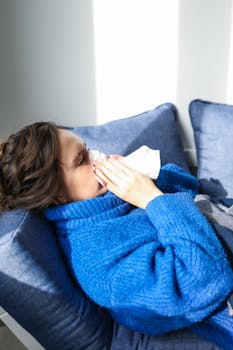
When it comes to dealing with respiratory issues, many people seek natural methods to find relief and enhance lung health. Using remedies for respiratory problems can be an effective way to complement traditional treatments and support your respiratory system. In this article, we will explore various natural remedies for respiratory infection and discuss how they may assist in alleviating symptoms and improving overall lung function.
Natural Remedies to Consider
Respiratory illnesses can range from the common cold to more severe conditions like bronchitis or pneumonia. While these ailments can be troubling, exploring home remedies for respiratory infection can provide additional comfort.
1. Herbal Teas and Supplements
Herbal teas, such as ginger, licorice root, and peppermint, are popular natural remedies for respiratory illness. These teas contain anti-inflammatory and soothing properties that may help reduce congestion and ease a sore throat. It’s important to ensure any herbal supplements are suitable for you, especially if you are taking other medications.
2. Essential Oils
Essential oils like eucalyptus and tea tree oil can support the respiratory system by reducing congestion. Using a diffuser or adding a few drops to a warm bath can help open airways and improve breathing comfort. These oils should be used with caution and diluted properly to avoid skin irritation.
3. Steam Inhalation
Inhaling steam is a simple yet effective remedy for respiratory infection symptoms. Adding a few drops of essential oils to hot water can enhance the effects. This method can help clear nasal passages, reduce inflammation, and relieve coughing.
Effective Lifestyle Habits
Beyond specific remedies, incorporating healthy lifestyle habits can significantly impact your lung health. Here are some strategies:
1. Hydration
Staying hydrated is crucial for maintaining healthy mucous membranes and facilitating the natural clearing of mucus from the lungs. Drinking adequate water and consuming broths or herbal teas contributes to maintaining a moist respiratory tract and can be an effective remedy for respiratory infection.
2. Balanced Diet
Eating a diet rich in fruits, vegetables, and whole grains can support your immune system and improve your body’s resilience against infections. Foods high in antioxidants and vitamins C and E are particularly beneficial for lung health.
3. Regular Exercise
Engaging in regular physical activity can enhance lung capacity and efficiency. Activities like walking, cycling, and swimming strengthen respiratory muscles and improve oxygen intake, all while supporting overall health.
Complementary Treatments
For those interested in combining natural remedies with other holistic practices, there are various complementary treatments worth exploring. These may align with the principles of naturopathic medicine, which can be further understood by reading this detailed article.
1. Breathing Exercises
Practices such as yoga and tai chi incorporate breathing exercises that help improve lung function and reduce stress. Deep breathing can expand the lungs and increase oxygen levels, making it a valuable addition to any treatment regimen.
2. Acupuncture
Acupuncture is a traditional Chinese medicine practice that may assist in relieving symptoms associated with respiratory conditions. While more research is needed, some studies suggest acupuncture can reduce inflammation and enhance breathing function.
Considerations and Precautions
While natural remedies for respiratory problems can provide relief, it’s essential to consult with a healthcare professional before starting any new treatment. Discussing with a clinician ensures that these methods are safe for your specific health needs and will not interfere with existing medications or conditions.
For additional credible information on health-related topics, you can view this thorough resource on the subject: Health – Wikipedia.
Ultimately, remedies for respiratory issues serve as a support system to strengthen your overall health. Incorporating these methods wisely in conjunction with professional guidance can help maintain and improve lung health.
- Herbal teas and essential oils may support respiratory comfort.
- Hydration and a balanced diet are integral to lung health.
- Regular exercise and breathing exercises enhance lung function.
- Consult healthcare professionals before trying new remedies.
- Combine remedies wisely for overall wellness support.
What are some home remedies for respiratory infection?
Home remedies can include steam inhalation, herbal teas, and using essential oils for relief. Easy methods like staying hydrated and maintaining a healthy diet also play vital roles.
How do herbal supplements help in respiratory illness?
Herbal supplements may offer anti-inflammatory properties and soothe symptoms like congestion and coughing. However, it’s essential to discuss their use with a healthcare provider, ensuring safety and efficacy.
Are there natural remedies for chronic respiratory problems?
Yes, remedies such as breathing exercises, acupuncture, and regular physical activity can support chronic respiratory conditions. These approaches should be supervised by healthcare professionals.
Can lifestyle changes improve lung health?
Absolutely. Staying hydrated, following a balanced diet, exercising regularly, and avoiding smoking can significantly enhance lung health and overall respiratory function.
Is it safe to use essential oils for respiratory issues?
While essential oils can offer benefits, they should be used with caution. Always ensure proper dilution and avoid direct contact with skin or ingestion. Consulting with a specialist is advised before beginning any new treatments.
Other Articles You May Find of Interest...
- What Does a Positive Hepatitis B Surface Ab Mean for Your Health?
- Why Do I Have a Metallic Taste When I Cough?
- Is It Possible to Be Allergic to Tylenol?
- Unlocking the Meaning Behind the PCN Medical Abbreviation
- Unlocking the Secrets of the Positive Predictive Value Formula for Better Health Outcomes
- What Does an Abnormal WBC Esterase Level Mean for Your Health?
- Do Allergies Cause Fatigue and Sleepiness?



